
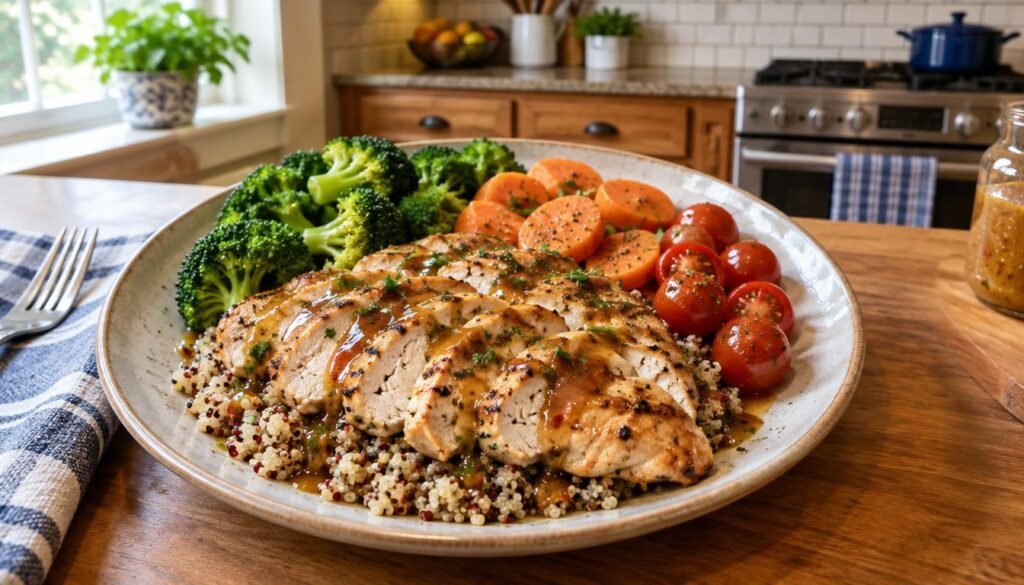
A satisfying meal can start with a protein food you enjoy, then flex around your appetite, schedule, and other nutrition needs. Protein at meals can fit into many routines, from a quick breakfast to a shared family dinner. The right combination depends on your tastes, culture, budget, health, and how hungry you feel. A useful starting point is one protein food, plus other foods you enjoy.
A balanced plate can also include vegetables or fruit, a grain or other starch, and a flavorful addition. You do not need to follow a fixed menu or make every meal look the same. The ideas here are examples, not rules; change them to suit your day. Small swaps count, especially when a familiar meal already works for you.
Key Takeaways
- Start with a protein food you like and build around it.
- Make room for produce, grains or other starches, and flavor.
- Daily nutrition needs differ with health, age, activity, and goals.
- Use examples as flexible ideas, not a rigid menu.
- Ask a clinician or registered dietitian for personal guidance when needed.
One familiar meal is enough to start experimenting with a more satisfying combination.
How Much Protein Might You Need Each Day?
For healthy adults, the RDI offers a starting reference of 0.8 g of protein per kilogram of body weight per day. The RDI, or Recommended Dietary Intake, is a population reference rather than a personal prescription. It gives a daily amount based on body weight, not a meal-by-meal target.
The adult reference point
The Acceptable Macronutrient Distribution Range, or AMDR, describes protein as a share of daily energy. For adults, that range is 15-25% of energy from protein. The RDI and AMDR describe different things: one is an amount by body weight, and the other is a proportion of energy.
The American Heart Association gives adult protein guidance and encourages a range of protein foods. Its guidance includes plant foods, fish, and lean meat or skinless poultry when you choose them. The American Heart Association guidance also notes an adult RDA of 0.8 g per kilogram per day.
The RDI is a population reference, not an individual prescription.
Why needs differ
Age, activity, health status, and personal goals can affect which amount suits you. A healthy adult reference may not answer questions that come with illness, changing appetite, or a specific nutrition plan. Your usual diet and daily routine matter when you decide how to use guidance.
In 2024, the National Academies issued a letter report considering whether the AMDR should remain in or be removed from the Dietary Reference Intake framework. That review concerns the framework, not a personal meal plan. Ask a registered dietitian or clinician to personalize a target when a health condition or specific nutrition goal is involved.
What Protein Can and Cannot Do for Fullness
Higher-protein meals may modestly increase perceived fullness, while short-term trial evidence did not show lower energy intake at the next eating occasion. The modest effect matters: feeling fuller does not guarantee that you will eat less later. Fullness and later energy intake are separate outcomes.
What short-term feeding evidence finds
A review of acute feeding trials found a small satiety effect from higher-protein meals, including greater perceived fullness. It did not find an effect on energy intake at the next eating occasion. Individual responses can still differ, and one meal does not predict how everyone will feel.
What a longer diet trial found
One review concluded that diets providing 1.2-1.6 g of protein per kilogram of body weight per day, potentially with at least 25-30 g per meal, may help appetite, weight management, cardiometabolic risk factors, or a mix of these outcomes. These are potential benefits, not universal targets or guaranteed results.
An 8-week randomized trial studied 121 women with obesity, ages 18-65, with a BMI of 30-45 kg/m². The higher-protein diet provided 1.2 g per kilogram of body weight, compared with 0.8 g per kilogram in the normal-protein diet. A review of protein and appetite also describes possible outcomes across different diets.
Mean weight loss across the trial’s diet groups was 7.5 ± 0.7 kg. Weight loss did not differ significantly between the higher-protein and normal-protein groups. Higher protein also did not significantly increase post-meal satiety, regardless of carbohydrate content.
The trial involved a specific group of women and an eight-week period, so it cannot settle every person’s needs or response. Use its findings as one piece of evidence, not a promise about your own appetite or weight. Treat fullness as one possible benefit, not a guaranteed result of changing a meal.
How to Build Flexible Protein at Meals
Start with the protein food you want, then add produce, a grain or other starch, and a flavorful finishing touch. This flexible order gives you a base without locking you into one recipe. Flavor belongs on the plate too, through herbs, seasoning, sauce, or healthy fats.
Let the protein choice fit into the meal instead of crowding out everything else. A high-protein meal can still include fiber-rich foods and varied textures. The American Heart Association recommends plant protein sources such as lentils, chickpeas, legumes, and nuts, alongside other choices.
Choose a protein food first
Choose chicken, tofu, beans, eggs, or yogurt based on what sounds good and what you have. For a chicken plate, combine chicken with roasted vegetables and a grain, then add a sauce. A tofu version can use the same vegetables and grain with ginger, herbs, or another preferred seasoning.
Add produce and a filling carbohydrate
Beans can anchor a plate with greens, rice, and salsa, or join vegetables and a baked potato. A vegetarian swap can replace chicken in a grain bowl with tofu or beans while keeping the vegetables and dressing. Fiber-rich produce and grains bring a different texture and flavor than the protein source.
Finish with flavor and flexibility
Use lemon, herbs, salsa, a creamy dressing, or a sprinkle of nuts and seeds to finish the meal. Leftover chicken can become a salad topping the next day, while the same grain and vegetables take on a new flavor with a different sauce. This small change can make repeat ingredients feel less repetitive.
A common planning mistake is building the whole plate around a large protein portion, leaving little room for produce or a starch. If one component is unavailable, keep the meal structure and swap in a food you already have.
Breakfasts That Fit Different Mornings
A breakfast can be as simple as pairing a familiar protein food with fruit, oats or toast. Choose the texture and pace that suit your morning, rather than aiming for one ideal plate. A drinkable breakfast may suit a lower-appetite morning, while a fuller plate may fit a hungrier one.

- Plain Greek yogurt with fruit and oats works as a quick bowl or a make-ahead option.
- Eggs with vegetables and whole-grain toast make a warm, savory breakfast.
- Cottage cheese with fruit and seeds brings creamy and crunchy textures together.
- A milk-based smoothie with fruit and nut butter is easy to sip on the go.
Each option can change with your taste, food access, or dietary preference. Try different fruit, switch oats for whole-grain bread, or use another suitable milk in a smoothie. You can also season eggs with herbs or serve cottage cheese with savory vegetables instead of fruit.
Greek yogurt and cottage cheese are not the only choices; eggs and milk can also fit. A lower-appetite morning may call for a smoothie or a smaller bowl, while a more substantial breakfast can include toast or oats. You do not need to match another person’s portions or preferences.
Keep the choice simple when time is tight, and let the ingredients vary when you have more time. Choose the version that fits the time and appetite you have that morning.
Animal Protein Options for Lunch and Dinner
Chicken, beef and salmon can each anchor a meal, with the best fit depending on taste, budget and the rest of the plate. Each works in a different style of lunch or dinner. The protein content below applies to the exact food forms and servings listed.
| Food | Listed serving | Protein |
|---|---|---|
| Cooked chicken breast | 3 oz | 25 g |
| Cooked beef | 3 oz | 21 g |
| Cooked salmon | 3 oz | 22 g |
A salad or grain bowl is an easy place to use chicken breast. Add vegetables, a grain, and a dressing that suits the rest of the ingredients. For beef, try a plate with vegetables and potatoes, using herbs or a sauce to bring the components together.
Salmon pairs well with rice and greens, whether you serve them warm or as a bowl. Turkey and other fish offer additional options when you want a different flavor or texture. Your preferred cooking style can also shape which choice feels practical on a busy day.
Composition entries describe particular foods and portions, not every cut, brand, or preparation method. A different serving size or food form can change the protein content. Match the listed serving and food form when using a composition figure.
Plant Protein Sources That Work Across Meals
Tofu, seitan and lentils show how plant protein sources can fit into different kinds of meals. Each can appear in more than one eating pattern, from a stir-fry to a soup. The listed serving and food form matter when you compare protein content.

Soy foods and seitan
Firm tofu works in stir-fries, noodle bowls, or a savory breakfast. Seitan can be sliced into sandwiches or served with vegetables and a grain. Tempeh and edamame are other choices, with their flavor and texture offering more ways to vary a plant-based meal.
| Food | Listed serving | Protein |
|---|---|---|
| Firm tofu | 1/2 cup | 10 g |
| Seitan | 3 oz | 21 g |
| Cooked lentils | 1/2 cup | 9 g |
Combining a variety of plant foods
Beans, nuts, and seeds can contribute alongside tofu, tempeh, or lentils. Plant foods can add protein across the day, and a varied diet can include several sources. You do not need every plant food to appear in one meal for it to have a place in your routine.
USDA FoodData Central entries draw on analytical samples, historical analyses and literature, foods reported in What We Eat in America, peer-reviewed research, and branded-food labels. Its data are public domain under CC0 1.0 Universal. The protein content of a food can vary by brand, preparation method, and exact portion.
Use the exact food form and portion when comparing a figure with another entry.
Pair Eggs and Dairy With Other Foods
Eggs, cottage cheese and Greek yogurt can be paired with both savory and sweet foods. Versatility makes them easy to use beyond one style of meal. The listed protein content matches each specific serving below.
| Food | Listed serving | Protein |
|---|---|---|
| Cottage cheese | 1/2 cup | 14 g |
| Whole egg | 1 large | 6 g |
| Plain Greek yogurt | 1 cup | 26 g |
Eggs go well with vegetables and toast, whether you prefer them scrambled or prepared another way. Cottage cheese can pair with fruit for a sweet option or savory vegetables for a more filling-tasting snack or meal. Yogurt with oats makes a simple bowl.
Milk and other cheeses can also fit, depending on what you enjoy and how you use them. A cup of yogurt may work at breakfast, while cottage cheese might suit a quick lunch with vegetables. These pairings can change with seasonings and sides.
Lactose intolerance and food preferences may affect which dairy choices work for you. Some people choose lactose-free dairy or another source instead. Choose a dairy or egg option only when it suits your preferences and needs.
Make Beans and Lentils Satisfying Mains
Beans, chickpeas and lentils can make a familiar soup, bowl or skillet feel like a complete meal. Their mild flavors take well to seasonings, sauces, and different textures. Pantry staples can become a meal you look forward to with a few additions.
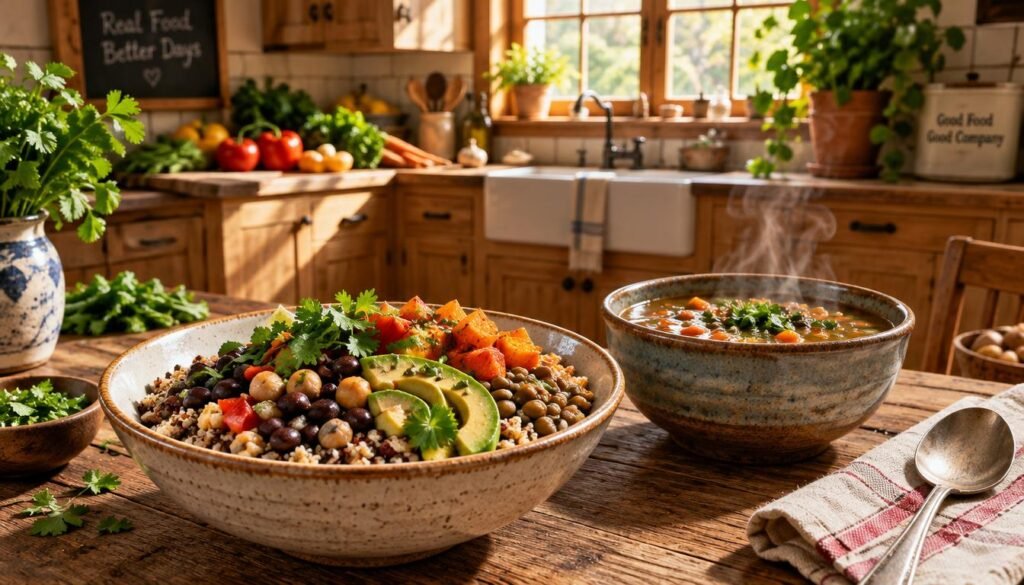
- Lentil soup with vegetables and bread makes a warm meal with a soft texture.
- Chickpea bowls with grains and greens can take a lemony or creamy sauce.
- Black beans with rice, salsa and vegetables bring bright flavor and varied textures.
- White beans with tomatoes, greens and toast make a savory skillet-style meal.
Canned and dried legumes both have a place in a practical kitchen. Canned beans are ready to add to a bowl or skillet, while dried legumes suit recipes you plan around them. Seasoning with garlic, spices, herbs, or citrus can make either form more appealing.
Texture can change a dish as much as seasoning. Mash some beans into a spread, leave others whole in a soup, or add a crisp topping to a soft bowl. A sauce helps tie the ingredients together without making every bean dish taste alike.
Adjust a legume dish with extra vegetables or a grain to match your appetite. Keep one legume-based meal in rotation that you enjoy enough to make again.
Add Protein From Grains, Vegetables, Nuts, and Seeds
Grains, vegetables, nuts and seeds can add protein while bringing different textures and flavors to a plate. They contribute alongside a main protein source, rather than needing to take its place. Small additions can make familiar meals more varied.
Grains and vegetables as contributors
Cooked farro can bring a chewy texture to a grain bowl, while peas can add color and softness to pasta. Quinoa works in a bowl with vegetables or as a side. These foods can contribute protein as part of meals built around different main ingredients.
| Food | Listed serving | Protein |
|---|---|---|
| Cooked farro | 1 cup | 11 g |
| Cooked green peas | 1 cup | 9 g |
| Cooked quinoa | 1 cup | 8 g |
Nuts and seeds for texture
Nuts and seeds can add crunch to salads, oatmeal, or yogurt. Pumpkin seeds sprinkled over a salad offer a crisp contrast to leafy greens and soft vegetables. Peanut butter can add flavor to toast or a smoothie, depending on what suits your meal.
Vegetables, grains, nuts, and seeds are useful contributors, but a small topping does not automatically replace the meal’s main protein food. Their role depends on the rest of the plate and how you prefer to eat. Think of these ingredients as flexible contributors that complement the rest of the meal.
Meal Prep That Preserves Flexibility
Prep a few useful components rather than assigning yourself the same finished meal every day. Cooked chicken or beans, grains, chopped vegetables, sauces, and toppings can become different combinations. Keep components separate when you want more choices at serving time.
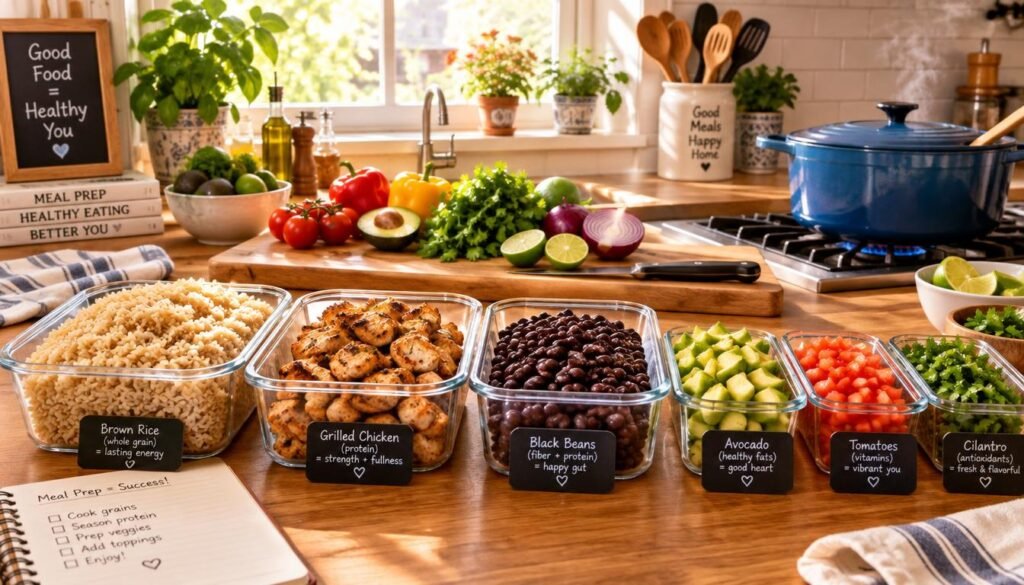
Prep components, not an unchanging menu
These four approaches give you a head start without requiring one fixed menu:
- Cook a protein component and a grain separately so they can pair with different sides.
- Prepare a bean or lentil soup for a ready-made meal.
- Portion a chicken or tofu bowl base, keeping toppings flexible.
- Freeze a stew or chili in meal-sized portions, following safe food-handling guidance.
Change sauces, herbs, and fresh toppings when you reuse a component. A grain bowl can take on a different character with salsa one day and a herby dressing another day. Fresh vegetables or crunchy seeds can also shift the texture without changing the base.
Build freezer-friendly meals
Soups, stews, chili, and casseroles are practical dishes to make in batches or freeze. Freezing is an option, not a requirement; a small set of prepared components can be enough. Follow safe food-handling guidance as you cool, store, and reheat meals.
Batch cooking can save effort when you have time, but it does not have to become a weekly project. Keep the parts that are easiest to reuse and change the seasonings or sides when you want variety.
Adapt Meals to Appetite, Time, and Access
On a low-appetite or busy day, a small, familiar combination may be easier to manage than a full planned plate. Easy to eat can matter more than elaborate preparation. Appetite, schedule, food access, and preferences all affect which format works.
- Yogurt with fruit offers a simple combination that needs little preparation.
- Eggs with toast make a familiar savory choice.
- Tuna or beans on a grain bowl can turn available ingredients into a meal.
- A smoothie with milk or a suitable alternative may be easier to sip.
Smaller portions can feel more manageable than a large plate. Familiar foods may also help when your appetite is low, and fruit or vegetables can be easy add-ons. You can choose a simple combination now and eat more later if your appetite changes.
Appetite can shift from day to day. Medication or illness can affect eating, too, so repeated difficulty deserves attention rather than blame. A clinician or registered dietitian can help you sort out possible causes and practical options.
Food access and kitchen time can shape what is realistic, so choose a protein source already available when possible. Choose the easiest nourishing option available and seek individualized help when eating remains difficult.
Plan Meals for Weight-Loss Goals
Protein can be part of a weight-loss meal pattern, but it does not guarantee weight loss on its own. Part of is the key: meals also need to work with your preferences, health, and daily routine. High-protein recipes for weight loss can support a satisfying routine, but they cannot promise a result.
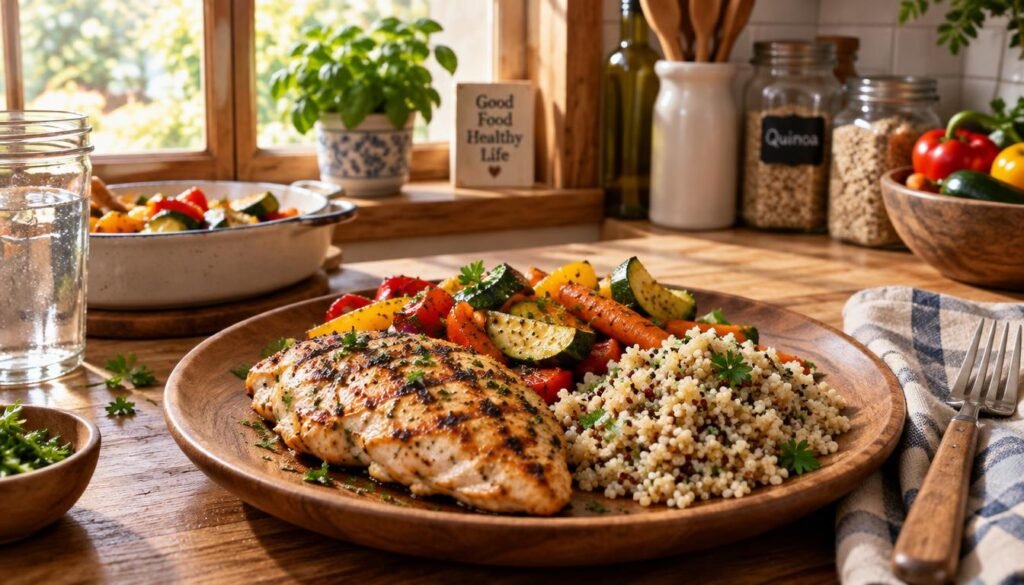
One practical meal is chicken or tofu with vegetables, a grain, and a flavorful sauce. Another is beans or fish with vegetables and a side you find satisfying. Both can include fiber-rich foods and healthy fats without relying on a single food to drive change.
A review concluded that higher-protein diets may improve appetite, weight management, cardiometabolic risk factors, or a combination of outcomes for some people. An 8-week trial in women with obesity found no significant difference in weight loss between its higher-protein and normal-protein groups. Results from either finding do not predict what will happen for every person.
Try recipes that suit your cooking time and the foods you like. A meal can still be useful if you change the grain, switch the vegetables, or use a different sauce. The most workable plan is one that fits your life, not a short list of supposedly perfect foods.
Individual goals and health needs affect the right approach, including whether a specific eating plan is appropriate. Choose a meal pattern you can maintain and personalize it with a qualified professional when needed.
Plan Meals for Muscle-Gain Goals
For muscle gain, pair regular resistance training with meals that include protein foods you enjoy. Pair food with training rather than expecting one food to do the work. Building muscle calls for appropriate food intake and sufficient overall nourishment.
Coordinate meals with resistance training
Chicken, fish, eggs, dairy, beans, tofu, and tempeh can all be part of a training routine. Amino acids from protein foods support body functions, while resistance training provides the activity that challenges muscle. Overall food intake matters alongside the protein source.
Activity, body size, training, and health can affect individual needs. Someone with a demanding training schedule may eat differently from someone with lighter activity or a changing appetite. A single meal cannot guarantee muscle gain, and copying another person’s portions may not suit you.
Use a repeatable pattern
Build a routine around foods you can return to: chicken and grain bowls, tofu stir-fries, yogurt with oats, or bean-based meals. The ingredients can change while the pattern stays familiar. If you train at different times, choose meal timing and size that work with your schedule and appetite.
Amino acids come from varied protein foods, so you can change sources for taste or access. A meal built around beans may suit one day, while eggs or fish may suit another. Keep the whole day’s nourishment in view rather than expecting one dinner to carry the routine.
Adjust the routine to your training, appetite and overall health rather than copying someone else’s plate.
Protein and Function as Adults Age
Protein-containing foods are one part of supporting strength and everyday function as adults age. One part matters because strength and mobility depend on more than food alone. Associations between intake and function do not prove that changing intake will prevent impairment.
A longitudinal study followed 38,073 adults aged 50 and older in 27 European countries. It defined low protein-food intake as the lowest decile of an index based on reported consumption frequency of dairy, legumes and eggs, and meat, fish, or poultry.
Low intake was associated with higher odds of low handgrip strength in men aged 50-65 years, with an odds ratio of 1.39. For men aged 66 and older, the odds ratio was 1.35; for women aged 66 and older, it was 1.21. These findings describe associations, not proof of cause.
Low protein-food intake was also associated with higher odds of difficulty walking 100 m, with odds ratios ranging from 1.25 to 1.53 across age and gender groups. The study reported at least 0.8 g of protein per kilogram per day for adults under 65 and at least 1 g per kilogram per day for adults aged 65 and older. The study’s functional findings do not establish that those amounts prevent changes in strength or walking.
Older adults with concerns, illness, or reduced appetite can ask a clinician or registered dietitian about individual needs. A change in strength or walking ability deserves personalized attention from a health professional.
Adjust Meals for Health Conditions and Food Preferences
Health conditions, symptoms and food preferences can change which protein choices and amounts suit you. Fatigue, muscle loss, swelling, and hair or skin changes can have many causes, so none alone diagnoses a protein deficiency. Persistent or concerning symptoms call for clinical assessment.
There is no fixed number of eggs to eat a day for protein; the suitable amount depends on your overall daily needs, other foods, and health context. Eggs can be one of several foods in a varied diet. A clinician can help if you have kidney disease or another condition that affects nutrition advice.
Medication-related nutrition questions can also benefit from professional guidance. A registered dietitian can help match food choices to your preferences and health needs. Share symptoms that persist, rather than trying to diagnose them from a food list.
Persistent symptoms deserve assessment because several health issues can cause similar changes.
Bring these questions to an appointment:
- What daily target suits me?
- How should I divide it across meals?
- Which foods fit my health needs?
- What symptoms should I report?
A short record of your usual meals can help make the discussion specific. Bring a record of your usual meals and questions to a registered dietitian or clinician.
Conclusion
Satisfying meals can be built from familiar foods and adjusted to fit your life. Choose protein foods that suit your routine and preferences, then let the rest of the meal add variety. There is room to adapt when your schedule, appetite, or food access changes.
Your nutrition needs may differ from another person’s, especially when health conditions or specific goals are involved. A clinician or registered dietitian can help personalize choices when general ideas do not answer your needs.
Try one practical change this week, such as swapping a protein source or adding a side you enjoy. Pick one meal to adapt this week, then keep the combination that works best for you.