

The most useful GLP-1 nutrition plan is one you can discuss with your clinician and adapt to your medication, health, and everyday life. Appetite and digestion may change, so food choices that once felt easy may need a fresh look. Your needs depend on more than the medication alone.
If you are considering treatment, you can discuss what to expect and how nutrition fits your goals. If you already take a medication, you can bring up changes in appetite, eating, or drinking. A clinician can help connect those concerns with your health and daily routine, and a registered dietitian can offer nutrition support when useful.
This guide gives you practical prompts for those conversations. Bring your questions and your real-life eating concerns into the conversation.
Key Takeaways
- Share your goals, health history, usual eating pattern, and concerns.
- Report changes in appetite, digestion, food intake, and drinking.
- Ask whether a registered dietitian could help tailor nutrition support.
- Discuss movement, sleep, mental health, and follow-up as part of care.
- Do not change your medication without contacting the prescribing clinician.
GLP-1 Nutrition Starts With Your Goals and Health History
Start by telling your clinician what you hope treatment will change and what you want to protect about your health and daily routine. Your priorities may include weight, blood sugar, energy, strength, or feeling more comfortable around food. Your own priorities give the conversation a practical starting point.
Ask for nutrition support built around your health and daily life, not a generic food rule list. A nutrition plan can address food and fluid intake alongside sleep, activity, mental health, and medication adherence. A narrative review recommends considering these areas together when supporting people taking GLP-1 medications.
Your nutrition plan should reflect your goals, health, and daily routine, rather than a one-size-fits-all set of rules.
Before your appointment, think about what a usual day of eating looks like. Mention missed meals, foods you avoid, shifts in appetite, limited cooking time, or concerns about weight changes. You do not need a perfect food record; a clear description of your routine can help your clinician understand what feels realistic.
A registered dietitian can help you adapt food choices to your needs, especially if appetite changes make eating harder. Ask whether a referral is appropriate and what kind of support is available through your care team. The joint nutrition advisory also recommends individualized nutrition and lifestyle support during GLP-1 treatment.
If you have concerns about how treatment may affect your relationship with food, say so directly. Mental health and emotional well-being belong in the discussion, just as much as meal routines do. Ask for a plan that fits your circumstances rather than a generic set of food rules.
What Should You Tell Your Clinician Before Treatment?
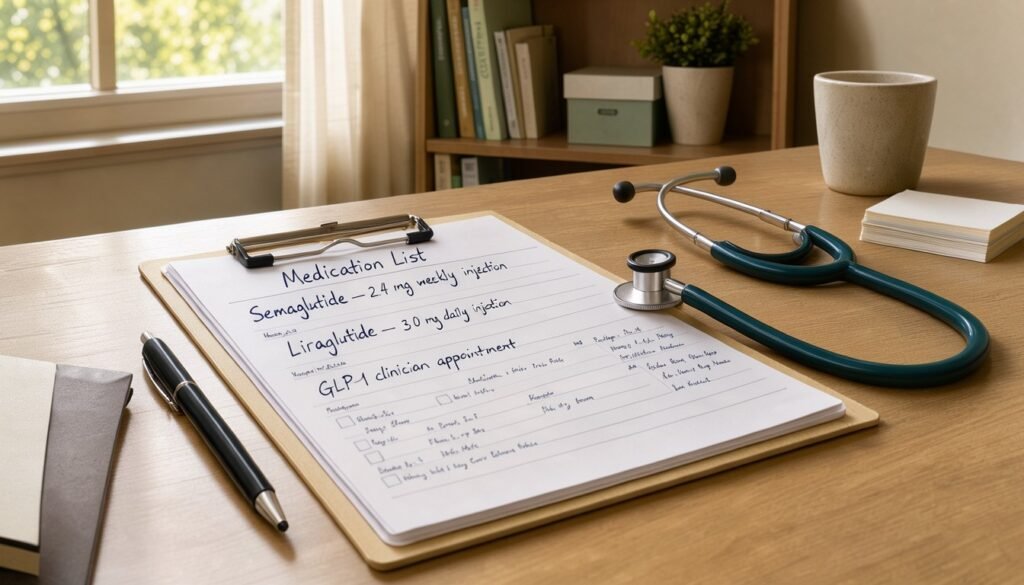
Before treatment, give your clinician a complete picture of your medical history, medicines, and upcoming plans. Include prescriptions, over-the-counter products, and supplements. Small details can matter when your care team reviews medication safety and your personal health needs.
Tell your clinician about every oral medicine and any insulin or insulin secretagogue you use. Tirzepatide delays gastric emptying, which may affect how oral medicines taken at the same time are absorbed. Combining Zepbound with another tirzepatide product or any GLP-1 receptor agonist is not recommended.
| What to tell your clinician | Why it matters | Prompt to raise |
|---|---|---|
| Current medicines and supplements, including insulin or an insulin secretagogue | Oral medicine absorption and low blood sugar risk may be affected | “Should we review how my medicines work together?” |
| Relevant personal or family medical history | Zepbound is contraindicated with a personal or family history of medullary thyroid carcinoma or multiple endocrine neoplasia syndrome type 2 | “Does my history affect this medication choice?” |
| Pregnancy possibility and oral contraceptive use | Pregnancy and oral contraceptive effectiveness need discussion | “What should I know about pregnancy prevention?” |
| Planned surgery or a procedure | Aspiration under general anesthesia or deep sedation has been reported with GLP-1 receptor agonists | “Who should I tell before my procedure?” |
Share Your Medical History and Current Medicines
Mounjaro is indicated with diet and exercise to improve blood glucose control in adults and children 10 years and older with type 2 diabetes. If you use insulin or an insulin secretagogue, hypoglycemia risk may rise, and your clinician may need to consider changes to those medicines. Do not make those changes yourself.
- Bring a current list of prescription medicines, supplements, and over-the-counter products.
- Name any other GLP-1 medication or tirzepatide-containing product.
- Describe personal or family conditions relevant to treatment decisions.
Raise Pregnancy, Contraception, and Procedure Plans
If pregnancy is recognized while taking Zepbound, the medication should be discontinued because of potential fetal harm. People using oral contraceptives are advised to use a non-oral method or add a barrier method for 4 weeks after starting Zepbound and for 4 weeks after each dose increase.
Tell every clinician involved in a planned surgery or procedure that you use a GLP-1 medication. Keep a current medication list handy for appointments and procedure teams.
How Do These Medicines Change Appetite and Digestion?
A smaller appetite and feeling full sooner can change how much and when you feel able to eat. GLP-1 medications can affect appetite and slow gastric emptying, so food may remain in the stomach longer. That shift can change meal tolerance, though people do not all experience the same effects.
Track changes that affect eating or drinking, especially when they begin after a dose change. Zepbound labeling lists nausea, diarrhea, vomiting, constipation, abdominal pain, and dyspepsia among adverse reactions reported in at least 5% of treated patients.

Appetite and Fullness Can Shift
Reduced appetite may make a usual portion feel too large, or make hunger arrive at different times. Some people may need to pay closer attention to whether they are eating and drinking enough. Tell your clinician what has changed, rather than judging your progress by one meal or one day.
Mounjaro labeling lists nausea, diarrhea, decreased appetite, vomiting, constipation, dyspepsia, and abdominal pain among reactions reported in at least 5% of treated patients. The exact mix and intensity of effects can differ. A reaction reported in at least 5% of patients is not a prediction that you will experience it.
Digestive Effects Are Worth Tracking
A 2024 review describes nausea, diarrhea, and constipation as gastrointestinal symptoms that can occur with GLP-1 receptor agonists that slow gastric emptying. Note when a symptom starts, how long it lasts, and whether it affects meals, fluids, or daily activities. Include any connection you notice with a dose change.
For a few days, a simple note can be more useful than trying to remember a pattern later. Record the symptom and its impact on your food intake and drinking. Note the timing and impact of any digestive change for your next conversation with your clinician.
What Does a Balanced Meal Look Like With Less Appetite?
When portions are smaller, a meal can still combine a protein food, produce, and a satisfying source of carbohydrate. Start with what feels manageable, then adjust the portions to your appetite and needs. There is no single meal plan that suits everyone taking GLP-1 medications.
A flexible food list can offer nourishing choices without prescribing the same menu for every person. Practical foods for weight loss treatment can include familiar options from several food groups. A free-to-read list of foods in this article can serve as a starting point, not a rulebook.

| Meal component | Examples | How it can fit a smaller meal |
|---|---|---|
| Protein foods | Eggs, fish, Greek yogurt, tofu, beans | Add a modest serving alongside produce or a grain |
| Vegetables and fruit | Cooked vegetables, leafy greens, berries, sliced fruit | Choose a small serving that feels comfortable |
| Whole grains and other fiber-containing carbohydrates | Oats, brown rice, whole-grain bread, lentils | Include a portion that adds satisfaction and fiber |
| Easy options | Protein-rich smoothie, prepared leftovers | Use when cooking or a full meal feels difficult |
A simple plate might pair fish with cooked vegetables and a small serving of brown rice. A smaller snack could be Greek yogurt with berries, or a smoothie with a protein source. Adjust the portions to how hungry you feel and what you can comfortably finish.
Searches for a GLP-1 diet plan for weight loss often point to the need for practical structure. Think of an adaptable meal plan for weight management as a set of options you can mix and match. Zepbound and semaglutide are named medications often discussed in this context, but no special food list is required for either one.
- Pair a protein food with fruit or vegetables.
- Add a fiber-containing carbohydrate when it feels comfortable.
- Keep an easy option available for low-energy days.
A GLP-1 food list is best treated as a flexible set of nutrient-dense choices, not a prescribed menu. Choose combinations that feel manageable and nourishing for you.
How Much Protein and Fiber Should You Discuss?
Ask for protein and fiber goals that reflect your health, rather than adopting a number from someone else’s plan. Your personal target can depend on body size, age, activity, kidney function, and health goals. A clinician or registered dietitian can help set an amount that suits your situation.
Do not copy a universal grams protein per day target without checking whether it fits your needs. People often ask how many grams protein per day they need, but the answer should reflect their health and treatment goals. The best time to raise that question is during a review of your usual food intake.

Set a Protein Goal That Fits Your Needs
Ask whether your meals and snacks include protein across the day. Eggs, fish, Greek yogurt, tofu, and beans are possible sources, but your preferences and appetite matter. If a full portion feels like too much, ask a registered dietitian about smaller ways to include protein during eating occasions.
Protein needs may also shift with changes in strength, activity, or health. Mention kidney concerns and any medical advice you already follow. A personal target can help you focus on adequate intake without turning every meal into a calculation.
Build Fiber Gradually and Choose Food Sources
Fiber from foods such as oats, berries, leafy greens, lentils, and whole grains can support a varied eating pattern. Add fiber gradually and pay attention to how your digestion responds. Ask your clinician whether any specific food changes make sense for your health.
Dietary fiber has been studied in relation to circulating GLP-1 and satiety, but this research does not show that foods reproduce medication effects. A 2026 scoping review included 52 studies with 1,085 adults; 71% were acute interventions. Studies reporting increased GLP-1 showed a nonsignificant tendency toward increased satiety, with an odds ratio of 2.95 and a 95% confidence interval of 0.87-9.98.
Dextrins showed positive effects on GLP-1 in four studies and satiety in five, with evidence limited by small samples, short interventions, and substantial variation. Foods that increase GLP-1 naturally or appear on a GLP-1-boosting foods list cannot be treated as replacements for medication. Increase fiber at a pace your digestion tolerates and discuss persistent problems with your clinician.
What Can Help You Manage Common Digestive Symptoms?
Small portions, slower eating, and steady fluid intake may be easier to manage than large meals when symptoms occur. Simple adjustments can help you notice what feels tolerable, but they do not replace medical guidance when symptoms are severe or persistent.
Repeated vomiting or inability to keep fluids down warrants prompt contact with your clinician. A practical hydration target described in nutrition guidance is 8-10 glasses of water or sugar-free beverages a day, but your needs may differ. Follow any fluid limits your clinician has set.

| Symptom or situation | Practical point to discuss | When to contact your clinician |
|---|---|---|
| Nausea or early fullness | Try smaller, more frequent meals and slower eating | Contact them if symptoms are severe or persistent |
| Constipation | Discuss gradual increases in fiber from foods and fluid intake | Contact them if it persists or worsens |
| Diarrhea | Review fluid intake and the effect on daily eating | Seek guidance for severe or ongoing symptoms |
| Repeated vomiting or inability to keep fluids down | Do not rely on routine self-care alone | Contact your clinician promptly |
Adjust Eating Patterns for Nausea and Early Fullness
Eating slowly can give you time to notice fullness before finishing a portion. Smaller, more frequent meals may feel easier than a large meal for some people. A multidisciplinary expert consensus on gastrointestinal side effects also discusses practical changes such as eating slowly and choosing smaller portions.
If symptoms make it hard to keep up with food or fluids, describe that impact plainly. Bring up whether the pattern is affecting work, sleep, or your ability to manage daily tasks. A clinician can help decide whether the symptoms need medical assessment.
Discuss Constipation, Diarrhea, or Vomiting
For constipation, ask whether adding food-based fiber gradually is appropriate. With diarrhea, discuss fluid intake and how often the symptom occurs. A daily 8-10-glass target may need individual adjustment, especially if your clinician has advised fluid limits.
Zepbound can cause severe gastrointestinal reactions and is not recommended for people with severe gastroparesis. Gastrointestinal reactions that cause volume depletion may lead to acute kidney injury, so renal function should be monitored in affected patients. Seek medical guidance promptly for severe symptoms or trouble keeping fluids down.
Which Foods or Drinks Might Worsen Symptoms?
A food that feels fine to one person may worsen nausea, reflux, or bloating for another. Fried or greasy foods may worsen nausea and digestion for some people, while spicy foods may aggravate heartburn. Personal tolerance matters more than a blanket list of forbidden foods.
Notice whether a food or drink repeatedly coincides with symptoms before deciding it needs to go. Large portions, highly sugary or highly processed foods, alcohol, and carbonated drinks may also bother some people. These are possible personal triggers, not foods every person must eliminate.

Notice Personal Food Triggers
A brief food and symptom note can help you spot patterns without judging your choices. Record what you ate, roughly when symptoms appeared, and what you felt. One uncomfortable meal does not prove that a food is the cause, so look for a pattern across occasions.
If avoiding foods begins to narrow your choices, tell your clinician. The same is true if discomfort makes it difficult to eat enough or maintain a varied diet. A registered dietitian can help you consider alternatives while keeping your preferences in view.
Choose Drinks With Your Symptoms in Mind
Alcohol and carbonated drinks may coincide with symptoms for some people, while other drinks may feel comfortable. Notice how your own body responds and whether a drink affects your ability to keep up with fluids. Do not assume that every person needs to avoid the same beverage.
Bring the pattern to your clinician if symptoms continue or your food choices become limited. That conversation can help separate a personal trigger from a broad restriction that may not suit you. Use your own symptom pattern, rather than a blanket avoid list, to guide the conversation.
How Can Activity and Daily Habits Support Nutrition?
Your activity plan should fit your abilities, health, and day-to-day life. Start where you are, and ask your clinician what movement is safe for your current health. Activity can be adapted to support function, strength, and overall health during weight loss.
Taking a GLP-1 medication without exercising does not remove the need to discuss nutrition and health goals. For weight reduction and long-term maintenance in eligible adults, the Zepbound label describes treatment alongside increased physical activity and a reduced-calorie diet.

Make Movement Fit Your Starting Point
Ask about a safe starting point, including movement that helps build or maintain strength. Your clinician can consider health conditions, pain, balance, and current function when discussing activity. A registered dietitian can also help connect eating patterns with your movement needs.
During weight loss, tell your care team if daily tasks feel harder or your strength changes. The right plan should support your ability to do the activities that matter to you, not just a number on a scale. Ask how to adjust movement if your health or energy changes.
- Ask which types of movement fit your current health and mobility.
- Discuss strength-building activity and how to begin safely.
- Bring up pain, fatigue, or other barriers that limit movement.
- Share changes in function during follow-up appointments.
Include Sleep, Stress, and Emotional Well-Being
Sleep, stress, and mental health can affect appetite, routines, and how manageable food choices feel. Tell your clinician if stress or low mood makes it harder to eat regularly or stay active. Social support and practical barriers, such as work schedules, can also shape a realistic plan.
Ask what kind of movement is appropriate for your current health and function. If you take Zepbound for weight management, discuss how activity fits alongside nutrition and medication in your care plan.
What Should You Monitor During Treatment?
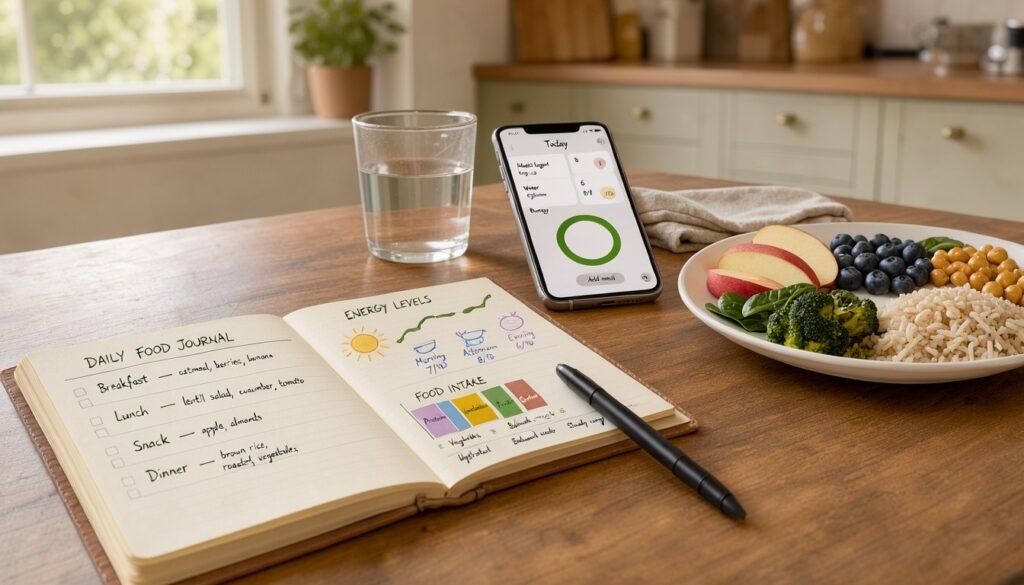
A short record of eating, drinking, symptoms, and daily function can make follow-up more specific. A few useful notes may help your clinician understand changes that are hard to recall during an appointment. Keep the record simple enough to maintain.
Ask your clinician whether symptoms, diet, or medical history make testing or supplements appropriate. Not everyone needs the same laboratory tests or a supplement. Your clinician can weigh your food intake, symptoms, and health history before recommending either.
Keep Track of Intake, Symptoms, and Function
Note what you can about food and fluid intake, ongoing symptoms, energy, and changes in strength or function. You do not need to count every bite. A few words about missed meals, low fluid intake, or difficulty with daily tasks can make the pattern clearer.
Pay attention to whether changes last or affect your routine. For example, note if reduced appetite makes it hard to eat through a workday, or if low energy limits usual activities. Bring those details to follow-up rather than trying to diagnose the cause yourself.
Ask When Nutrient Checks or Supplements Make Sense
A clinician can decide whether laboratory testing or supplements make sense based on your symptoms, eating pattern, and medical history. Avoid starting a multivitamin or ordering a nutrient panel simply because you take a GLP-1 medication. Ask what a proposed test or supplement would help address.
Nutrition support should consider macronutrient, micronutrient, and fluid intake. If gastrointestinal reactions lead to volume depletion, acute kidney injury can occur, and renal function should be monitored in affected patients. Ask your clinician which changes would prompt earlier follow-up in your situation.
When Should You Discuss Dose Changes and Follow-Up?
A dose discussion should include both treatment response and how well you are tolerating the medication. How you feel matters alongside changes in weight or blood sugar. Tell the prescribing clinician if eating, drinking, symptoms, or daily function change during treatment.
Do not change your dose on your own; use the schedule as a topic for discussion with your prescriber. Zepbound starts at 2.5 mg injected once weekly for 4 weeks. Increases of 2.5 mg occur after at least 4 weeks and take treatment response and tolerability into account.

Understand the Gradual Zepbound Dose Schedule
For weight reduction and long-term maintenance, listed Zepbound weekly maintenance doses are 5 mg, 10 mg, or 15 mg. The maximum dose is 15 mg. These labeled details are information to discuss with your clinician, not a personal dosing instruction.
Ask when your next follow-up should happen and what information your clinician wants you to bring. A scheduled check-in gives you a chance to discuss treatment response and tolerability before any change. Do not assume that a change is needed just because someone else follows a different schedule.
Describe Tolerability Before Any Change
Prepare a short list before your appointment so you can cover the details that matter. Include these four items:
- Your current dose and the dates of any changes.
- Symptoms and when they tend to occur.
- How well you can eat and drink.
- Questions about the next follow-up.
Use the list to describe what has changed in your daily routine, including energy and function. If a symptom concerns you before the next appointment, contact the prescribing clinician rather than waiting for a routine visit. Contact the prescribing clinician before making a medication change.
Your prescribing clinician should guide medication changes, using both your treatment response and your tolerability.
Conclusion
Nutrition questions are a meaningful part of discussing GLP-1 treatment. A useful plan should fit your health, medication, appetite, and everyday routine. It can change as your needs change.
You do not need to solve every concern before asking for help. A clinician can address medical questions, and a registered dietitian can help shape nutrition support around your circumstances.
Write down your top concern and bring it to your next appointment.