









































Let’s be honest — the modern food system is a mess. We’re surrounded by ultra-processed snacks, hidden sugars, and ingredients we can’t pronounce. Meanwhile, our bodies are sending us signals that something’s not quite right: energy crashes, bloating, brain fog, and that stubborn weight that won’t budge no matter how hard we try.
What if there was a simpler way?
Enter the paleo lifestyle — a back-to-basics approach that’s gaining serious momentum in the wellness world. It’s not just another trendy diet. It’s a philosophy that says: eat real food, move your body, and let your physiology do what it’s designed to do.
The paleo lifestyle has exploded in popularity because it actually works. People aren’t just losing weight — they’re gaining energy, mental clarity, better sleep, and a genuine sense of control over their health. And the best part? It makes intuitive sense. You’re not counting macros obsessively or eating meals that taste like cardboard.
Let’s dive into what the paleo lifestyle is really about, why it works, and how you can start living it today.
What Is the Paleo Lifestyle, Really?
The paleo lifestyle is rooted in a simple concept: eat as your ancestors did. We’re talking about going back roughly 10,000 years, before agriculture took over and turned us into grain-eating machines. Back then, people ate what they could hunt, fish, and gather — mostly whole foods, minimal processing, maximum nutrition.
The core idea is that our bodies are genetically wired for a diet full of:
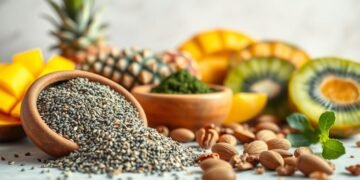
- Grass-fed meat and wild fish
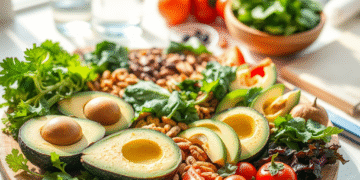
- Vegetables and fruits
- Nuts and seeds
- Healthy fats like avocado and coconut oil
- Minimal grains, legumes, dairy, and processed foods
But here’s the twist — the paleo lifestyle isn’t just about food. It’s a holistic approach to living that includes movement, sleep, stress management, and getting back in touch with natural rhythms.
Think of it as hitting the reset button on your entire system.
Why the Paleo Lifestyle Actually Works for Weight Loss and Fitness
Ditch Processed Foods and Watch Your Body Transform
One of the biggest reasons people see results on the paleo lifestyle is simple: they stop eating processed junk. When you remove the ultra-processed foods loaded with seed oils, refined sugars, and mysterious additives, something magical happens.
Your body stops fighting inflammation. Your digestion improves. Your blood sugar stabilises. And here’s the kicker — you naturally eat fewer calories because whole foods are more satisfying than processed foods ever could be.
A piece of grilled salmon with roasted broccoli will keep you full way longer than a box of crackers. Real food sends proper satiety signals to your brain. Processed food? It hijacks those signals and leaves you wanting more.
When you remove the processed foods, you’re not just changing what’s on your plate — you’re changing your entire metabolic landscape.
The Hormone Balance Factor
This is where things get really interesting. The paleo lifestyle for hormone balance is one of the biggest game-changers people experience.
Here’s what happens: refined carbs and seed oils throw your insulin levels out of whack. This messes with cortisol (your stress hormone), leptin (your satiety hormone), and a bunch of other critical players in your body’s hormonal orchestra.
When you eat the paleo way — focusing on whole foods, healthy fats, and quality protein — your hormones start to settle down. Blood sugar becomes stable. Insulin sensitivity improves. Inflammation decreases. Cortisol levels normalise, especially if you’re also getting better sleep and managing stress.
For women, this often means better periods, clearer skin, and more stable moods. For men, it typically means better energy, improved recovery, and stronger performance. For everyone, it means your body can finally do what it’s supposed to do — burn fat efficiently, build muscle, and maintain steady energy throughout the day.
How to Get Started with the Paleo Lifestyle
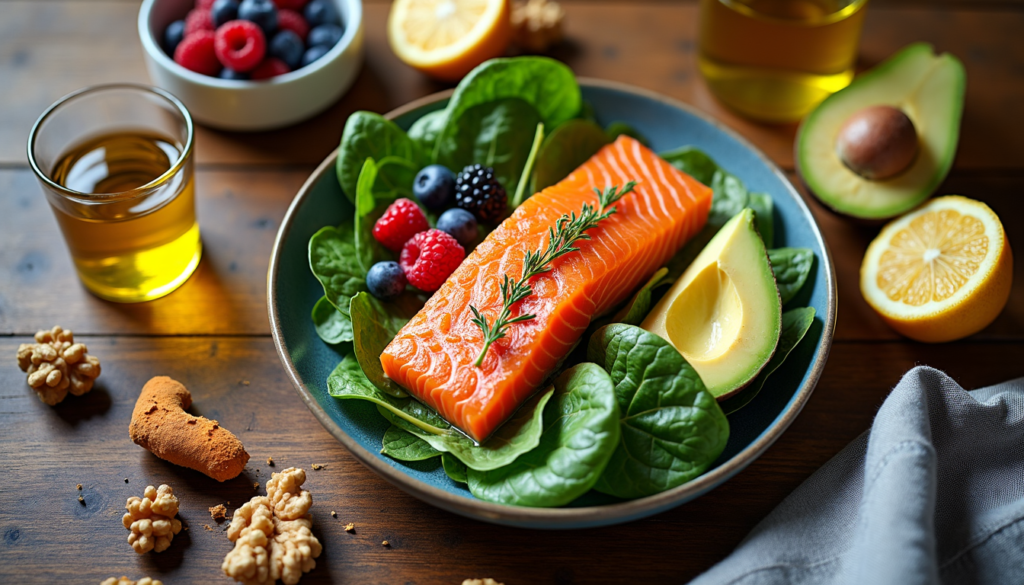
Step 1: Clean Out Your Kitchen
This is the fastest way to commit. Look through your pantry and fridge. If it’s a processed food with a long ingredient list, it’s gotta go (or you can finish it up). Don’t throw away your money, but stop buying more of it.
Replace it with:
- Quality meat and fish
- Eggs
- Vegetables (lots of them)
- Fruits
- Nuts and seeds
- Avocados
- Olive oil, ghee, and coconut oil
- Herbs and spices
You’d be amazed at how liberating it feels to have a kitchen stocked with real food.
Step 2: Focus on Whole Foods First
The beauty of the paleo lifestyle is that it’s not complicated. Eat foods that look like they came from nature. A chicken breast looks like it came from a chicken. An apple looks like it came from a tree. A box of cookies? Not so much.
Here’s a simple framework:
Proteins: grass-fed beef, wild-caught fish, pastured poultry, eggs
Vegetables: all of them (leafy greens, cruciferous veggies, root vegetables, colourful peppers)
Fruits: berries, apples, oranges, tropical fruits (keep portions reasonable if weight loss is your goal)
Healthy Fats: avocado, nuts, seeds, olive oil, coconut oil, ghee
Seasonings: sea salt, herbs, spices — go wild
That’s it. You’re not eating “paleo-friendly” processed snacks all day. You’re eating actual food.
Step 3: Ditch the Inflammatory Foods
For the paleo lifestyle to work, you need to actually remove the foods that are causing problems:
Grains: wheat, oats, barley, rice (yes, even “healthy” whole grains)
Legumes: beans, lentils, peanuts
Processed oils: vegetable oil, canola oil, soybean oil
Dairy: milk, cheese,yoghurtt (some people add them back later, but start without)
Processed sugar: candy, soda, pastries, most packaged foods
Artificial ingredients: sweeteners, additives, preservatives
The reason? These foods can trigger inflammation, digestive issues, and hormone disruption in many people. They’re also designed to be addictive and calorie-dense without being nutritious.
Natural Fitness and the Paleo Lifestyle
Movement Matters (But It Doesn’t Have to Be Crazy)
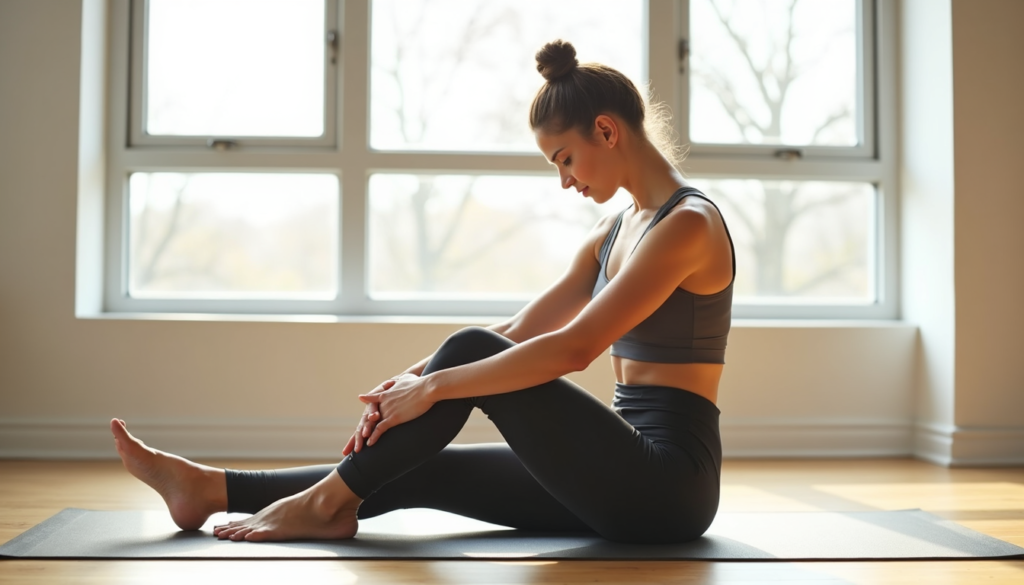
The paleo lifestyle isn’t just about eating like your ancestors — it’s about moving like them too. Our ancestors didn’t hit the gym for two hours. They moved naturally throughout the day. They walked. They carried things. They played. They sprinted occasionally. They rested.
The modern approach to fitness through the paleo lens looks like:
Daily movement: walking, light activity, stretching
Strength training: 3-4 times per week, compound movements, resistance-based
Occasional intense effort: sprints, short high-intensity intervals (not hours of cardio)
Rest days: serious recovery time where your body actually adapts and grows
This approach aligns with how our bodies evolved. We’re built for functional strength, not endless endurance. When you combine smart movement with the paleo diet, the results come faster and feel more sustainable.
The Real Benefits You’ll Actually Experience

Energy Without the Crash
Remember those 3 PM energy crashes? Say goodbye. Stable blood sugar means stable energy. People on the paleo lifestyle report waking up naturally, staying alert all day, and not needing caffeine just to function.
Better Sleep
When your hormones are balanced and inflammation is down, sleep improves dramatically. You’ll fall asleep more easily, sleep more deeply, and wake up actually rested.
Mental Clarity
Brain fog is real, and it’s usually caused by blood sugar instability and inflammation. The paleo lifestyle eliminates both. Expect sharper thinking, better focus, and improved mood.
Actual Hunger Signals
On the paleo lifestyle, you get hungry when your body actually needs food. Not 2 hours after a “meal” that was basically just refined carbs. This makes eating intuitive and natural.
Sustainable Fat Loss
This is huge. People lose weight on the paleo lifestyle because they’re eating less without starving. They’re satisfied. Their metabolism isn’t suppressed. They’re not fighting their biology.
Making the Paleo Lifestyle Stick

Don’t Aim for Perfection
The paleo lifestyle isn’t about being perfect. It’s about progress. Some people do 80/20 (paleo 80% of the time, flexibility the other 20%). Others go stricter. Find what works for you.
Plan Ahead
The biggest reason people fall off the paleo lifestyle is a lack of preparation. Spend a few hours on Sunday prepping meals. Roast a bunch of vegetables. Cook some protein. When healthy food is ready to go, you’ll choose it.
Community Helps
Whether it’s online groups, friends also doing paleo, or a supportive family, community makes the transition easier. You’re not alone in this.
Give It Time
Your body needs time to adapt. Expect 2-4 weeks of adjustment (some people experience a “detox” period with mild headaches or fatigue). After that? The benefits become undeniable.
The Bottom Line: The Paleo Lifestyle Works
The paleo lifestyle has become trendy for a reason — it delivers results. It’s not a quick fix or a gimmick. It’s a return to how humans are designed to eat and move.
When you ditch processed foods, balance your hormones, and fuel your body with real nutrition, extraordinary things happen. Your energy soars. Your body composition improves. Your mind becomes sharper. Your relationships improve because you feel better.
Is it a perfect system? No. But it’s a hell of a lot better than the standard American diet of processed foods, vegetable oils, and sugar-loaded products.
The paleo lifestyle permits you to eat delicious, satisfying food while simultaneously getting the results you want. It’s not complicated. It’s not restrictive in the way that other diets are. It’s just real food, real movement, and real results.
So if you’re tired of energy crashes, bloating, brain fog, and struggling with your weight, maybe it’s time to consider going back to basics. Your ancestors figured out how to thrive without calorie-counting apps or artificial foods. You can too.
Start small. Clean out your pantry. Make one paleo meal. See how you feel. Then do it again tomorrow. Before you know it, the paleo lifestyle won’t feel like a diet — it’ll just feel like living.
And that’s when the real magic happens.








Discussion about this post