
Did you know that 1 in 5 Americans experiences a mental health condition each year? This is a shocking fact that shows how important mental health awareness is. It’s not just a trend; it’s essential for understanding and supporting our mental health.
Our mental health affects every part of our lives. It impacts our relationships and our work success. By raising awareness, we help people see and tackle the mental health issues that many face every day.
It’s more than just knowing mental health exists. We need compassion, education, and a push to remove barriers that stop people from getting help. By supporting mental health awareness, we build a kinder and more understanding world.
Key Takeaways
- Mental health impacts 1 in 5 Americans annually
- Awareness is key for both personal and community well-being
- Breaking stigma needs open talks
- Mental health is a basic part of our health
- Learning is the first step to understanding
Understanding Mental Health: What It Means
Mental health is key to our overall well-being. It affects how we think, feel, and interact with others. It’s not just about being free from mental illness. It also includes our emotional, psychological, and social sides.

Learning about mental health is important. It helps us understand the complex world of psychological wellness. It teaches us to spot mental health issues and find the right help.
Definition and Scope of Mental Health
Mental health includes several important parts:
- Emotional regulation
- Stress management
- Relationship building
- Personal growth
“Mental health is not a destination, but a process. It’s about how you drive, not where you’re going.” – Noam Shpancer, PhD
The Importance of Mental Well-Being
It’s vital to promote mental health for a balanced life. It touches every part of our lives, from personal to professional.
| Mental Health Dimension | Impact on Life |
|---|---|
| Emotional Stability | Improved decision-making and relationships |
| Psychological Resilience | Better stress management and adaptation |
| Social Connectivity | Enhanced communication and support networks |
Understanding mental health is the first step. It helps create a supportive environment that values psychological wellness and personal growth.
The Significance of Mental Health Awareness
Mental health awareness is key to changing lives and communities. It helps us fight old myths and build a better place for those facing mental health issues.
Breaking the Stigma Surrounding Mental Illness
Mental health stigma is a big problem. It stops people from getting help because of wrong ideas and fear. We need to see mental health as a big part of being well.
- Challenge negative perceptions about mental illness
- Promote empathy and understanding
- Encourage open conversations about mental health
“Stigma is a barrier to mental health treatment. By speaking openly, we can create meaningful change.” – Dr. Patrick Corrigan, Mental Health Researcher
The Role of Education in Awareness
Education is very important for mental health. It helps us learn the truth and be kinder to those with mental health issues.
- Implement mental health education in schools
- Train community leaders about mental health resources
- Create supportive learning environments
By keeping up with mental health advocacy, we can change how society sees mental health. We can make a place where people feel safe to ask for help.
Common Mental Health Disorders You Should Know
Learning about mental health is key to understanding many psychological conditions. Knowing the signs of common mental health issues helps people find the right support.
Mental health disorders affect how we think, feel, and act. They can change our lives, our relationships, and how we function every day.
Anxiety Disorders
Anxiety disorders are a big mental health challenge. They include:
- Persistent and excessive worry
- Panic attacks
- Social anxiety
- Phobias
“Understanding anxiety is the first step toward managing it effectively.” – Mental Health Professional
Depression
Depression is a serious mood disorder. It’s marked by:
- Persistent feelings of sadness
- Loss of interest in activities
- Changes in sleep and appetite
- Difficulty concentrating
Bipolar Disorder
Bipolar disorder causes big mood swings. Mental health resources are vital for managing this condition.
Schizophrenia
Schizophrenia is a severe mental health issue. It affects thinking, feeling, and behavior. Key signs are hallucinations, delusions, and disorganized thinking.
Getting professional help and talking openly are key to managing these disorders.
The Impact of Mental Health on Overall Well-Being
Mental health is key to a good life. Knowing about mental well-being helps us see how our feelings and body health are linked. Our mind affects how we see and deal with the world.
Understanding the link between mental and physical health changes how we care for ourselves. It’s not just about fixing mental issues. It’s about caring for ourselves in a complete way.
Emotional Health and Daily Life
Our emotional state affects our daily life. When our mental health is good, we can:
- Manage stress better
- Make stronger connections with others
- Be more productive
- Feel more satisfied with life
The Link Between Mental and Physical Health
Studies show a strong bond between mental and physical health. Long-term stress and poor mental health can cause many physical problems.
| Mental Health Impact | Physical Health Consequences |
|---|---|
| Chronic Stress | Weakened Immune System |
| Depression | Increased Risk of Heart Disease |
| Anxiety | Digestive Disorders |
| Poor Sleep Patterns | Hormonal Imbalances |
“Your mental health is a priority. Your happiness is an essential part of total wellness.” – Unknown
By facing and solving mental health issues, we can grow stronger. We can improve our overall well-being and live a more balanced life.
Strategies to Promote Mental Health Awareness
To improve mental health awareness, we need smart and caring ways. These include getting communities involved, using digital tools, and teaching the public. Good mental health campaigns help break down barriers and build understanding.
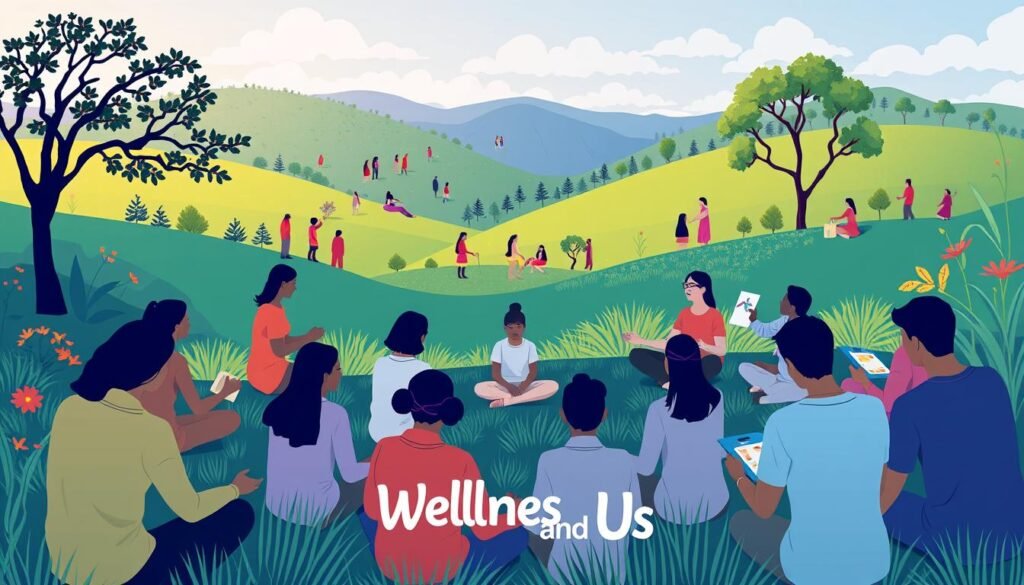
Effective mental health advocacy uses many strategies. These work together to make a big difference in society.
Community Involvement
Getting communities involved is key to mental health awareness. Local efforts can change how people see mental health and help those in need.
- Organize local support groups
- Host community wellness events
- Create peer-to-peer support networks
- Develop neighborhood mental health resource centers
Social Media Campaigns
“Digital platforms offer unprecedented opportunities to spread mental health awareness and reduce stigma.” – Mental Health America
Social media is a great way to share mental health messages. It lets us reach many people fast and effectively.
| Platform | Reach | Engagement Strategy |
|---|---|---|
| Young Adults | Visual storytelling | |
| Professional Networks | Short-form educational content | |
| Broad Demographics | Community support groups |
Workshops and Educational Programs
Learning about mental health is important. It helps us understand challenges and feel empathy.
- Develop workplace mental health training
- Create school-based mental wellness curriculum
- Design professional development workshops
- Implement community mental health seminars
By using these strategies together, we can create strong mental health awareness. This supports both individual and community well-being.
The Role of Employers in Supporting Mental Health
Workplace mental health is now a key area for companies to focus on. Employers are vital in supporting mental health and making work places where people can do well both at work and in life.

“A healthy workplace is not just about physical safety, but mental well-being too.” – Mental Health Expert
Today, companies know that mental health support is more than just benefits. Taking proactive steps can change the work culture and improve how well employees do their jobs.
Creating a Supportive Workplace Culture
To make a workplace mentally healthy, companies need to plan:
- Make talking about mental health normal
- Teach managers about mental health
- Work to reduce stigma
- Offer flexible work options
Offering Employee Assistance Programs
Good mental health support can include:
| Program Type | Key Benefits |
|---|---|
| Counseling Services | Confidential mental health talks |
| Stress Management Workshops | Ways to build emotional strength |
| Mental Health Insurance Coverage | Less cost for getting help |
By investing in mental health, employers can have happier, more productive, and dedicated teams.
How to Seek Help for Mental Health Issues
It can be hard to know when you need mental health support. Many people find it tough to decide when to ask for help. But, there are many resources available for those facing emotional or psychological struggles.
It’s important to recognize the signs that you might need help. Mental health issues can affect how you live your day-to-day life. They can also impact your overall happiness and well-being.
Identifying When to Seek Support
- Persistent feelings of sadness or hopelessness
- Significant changes in sleep or eating patterns
- Withdrawal from social interactions
- Increased anxiety or panic attacks
- Difficulty managing daily responsibilities
“Seeking help is a sign of strength, not weakness.” – Mental Health Professional
Professional Resources and Hotlines
Having access to mental health resources can greatly help in your recovery. There are many professional options available to support you through tough times.
| Resource Type | Contact Information | Specialty |
|---|---|---|
| National Suicide Prevention Lifeline | 988 | 24/7 Crisis Support |
| Crisis Text Line | Text HOME to 741741 | Immediate Text Counseling |
| SAMHSA Helpline | 1-800-662-HELP | Substance Abuse & Mental Health |
Professional mental health support includes therapy, counseling, and more. Choosing the right resource depends on individual needs and specific mental health concerns.
- Consult with a primary care physician
- Request referrals from trusted healthcare providers
- Check online directories for licensed professionals
- Explore telehealth mental health services
Remember, asking for help is a brave step towards better mental health. Mental health resources offer caring, professional support during tough times.
Mental Health Awareness Campaigns That Inspire Change
Mental health campaigns are now key in raising awareness and changing how we see mental health. They help break down barriers and create supportive spaces for those facing mental health issues.
National Mental Health Awareness Month
Every May, the United States celebrates National Mental Health Awareness Month. It’s a time to spread understanding and support. The campaign has several main goals:
- Educating the public about mental health issues
- Reducing stigma surrounding mental illness
- Promoting access to mental health resources
- Encouraging open conversations about emotional well-being
“Awareness is the first step towards healing and understanding.” – Mental Health Advocate
Organizations Making a Difference
Many organizations are leading the way in mental health advocacy. They use new ways to make a difference. Some of these organizations are:
- National Alliance on Mental Illness (NAMI) – Offers support, education, and advocacy for those affected by mental health issues
- Mental Health America – Works on prevention, early intervention, and integrated care
- Active Minds – Helps young adults talk openly about mental health and seek help
These campaigns show the power of working together to change society’s views and support those with mental health challenges.
The Role of Friends and Family in Supporting Mental Health
Mental health starts at home. Friends and family are key in creating a supportive space. They help foster mental well-being awareness. Knowing how to support loved ones can greatly impact their mental health.
Open Communication and Active Listening
Creating a safe space for open talk is vital for mental health support. Here are some strategies for effective communication:
- Practice non-judgmental listening
- Show genuine empathy and care
- Validate their feelings without minimizing their experiences
- Ask open-ended questions that encourage sharing
“Listening is often the most powerful form of support we can offer.” – Unknown
Encouraging Professional Help
It can be tough to know when a loved one needs professional help. Here are some helpful approaches:
- Approach conversations with compassion
- Share resources about mental well-being awareness
- Offer to help schedule appointments
- Remove barriers to seeking help
Mental health is a journey we all take together. By providing support, understanding, and encouragement, friends and family can be strong allies in promoting mental wellness.
Future Directions for Mental Health Awareness Initiatives
The world of mental health is changing fast with new tech. Digital tools are making it easier to learn about and get help for mental health. Now, apps and websites offer tools for mental wellness that are more accessible than ever.
The Use of Technology and Apps
Apps like Headspace, Calm, and BetterHelp are changing how we get support. They offer therapy, meditation, and direct help from therapists. These apps use tech to give users mental health plans that fit their needs.
Global Perspectives on Mental Health Awareness
Across the globe, big changes are happening in mental health. Countries like Australia, the UK, and Canada are making big plans for mental health. They use tech, community support, and healthcare to help people.
The future of mental health looks bright. We’ll see more tech, bigger support networks, and a better approach to mental health. As we learn more, these new ways will change how we see and support mental health worldwide.