
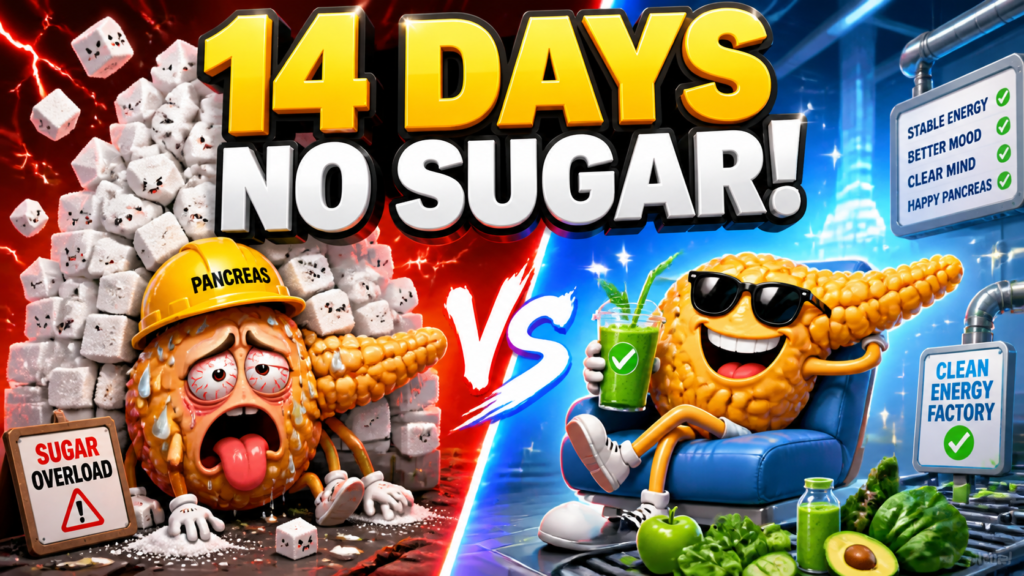
When you cut out added sugars for two weeks, big changes happen in your body. This article will look at how sugar withdrawal affects organs such as the liver and pancreas. As you eat less glucose and fructose, your body starts to adjust.
Knowing these changes can help you on your path to a healthier life in the United States. This guide is here to help you break free from sugar addiction.


Key Takeaways
- Eliminating sugar can lead to various physiological changes.
- Your liver and pancreas respond noticeably to less sugar.
- Understanding these changes prepares you for a healthier lifestyle.
- A two-week sugar detox can help break sugar dependency.
- Awareness of sugar withdrawal effects can aid in managing cravings.
Understanding the Sugar Detox Timeline
Starting a sugar detox is tough but worth it. Knowing what to expect helps. The first few days are hard because your body adjusts to less sugar.
Initial Reactions During the First Few Days
The first 72 hours are key. You might feel:
- Irritability because you miss sugar.
- Fatigue from less energy.
- Headaches as your brain adjusts without quick energy.
These symptoms are normal and will get better as you detox.
Adjusting to a Lower Glucose Intake
By the first week, you might feel more energetic. Most people notice:
- Steadier energy all day.
- Less desire for sugary foods.
- Better mood and clearer thinking.
Keep going, and your body will adjust. Staying on track early on leads to lasting health benefits.

Common Sugar Withdrawal Effects
When people stop eating sugar, they often feel a range of symptoms. These symptoms happen as the body gets used to not having sugar. Sugar gives quick energy and pleasure. Knowing these symptoms helps people through their detox journey.
At first, common symptoms include:
- Headaches
- Intense cravings for sweets
- Mood swings and irritability
- Fatigue and low energy
- Difficulty concentrating
These symptoms are a natural part of adjusting. The brain’s dopamine receptors are changing. This period can be tough, but remember, these symptoms don’t last long. Most people start feeling better within a week.
It’s key to know what to expect. By understanding these signs, people can get ready for the changes. Here’s a table showing when these symptoms usually happen:
| Day | Common Symptoms | Duration |
|---|---|---|
| 1-2 | Headaches, cravings | 1-3 days |
| 3-5 | Mood swings, irritability | 3-5 days |
| 6-7 | Fatigue, concentration issues | 1 week |
Knowing these symptoms helps manage detox better. Starting this journey can lead to a healthier life and better well-being.

How Does Sugar Affect Your Liver
Your liver is key in breaking down sugars. Knowing how sugar impacts your liver is vital for staying healthy. Too much sugar, like fructose, can cause fatty liver disease. This happens when the liver stores too much fat, leading to inflammation and metabolic problems.
Fructose, found in many sweet foods and drinks, mainly gets processed by the liver. High intake overloads the liver. This can cause fat buildup and serious liver damage.
The Role of Fructose in Fatty Liver Development
Fructose plays a big role in fatty liver:
- It increases fat production in the liver.
- It reduces fat oxidation.
- It promotes insulin resistance.
Lowering sugar intake helps your liver heal. As it clears out excess fat, it starts to work better.
Healing Processes After Reducing Sugar Consumption
After cutting sugar, your liver changes a lot:
- It stores less fat.
- It becomes more sensitive to insulin.
- It functions better.
These changes happen fast, making it easier to keep up a low-sugar diet. Knowing how sugar affects your liver helps you make better choices.

Symptoms of Sugar Addiction
It’s important to know the signs of sugar addiction to control your eating. Many people show signs of being dependent on sugar. Spotting these signs can help you see if sugar is a problem for you.
- Constant cravings for sweets after meals
- Significant energy crashes, especially in the afternoon
- Difficulty concentrating without a sugary snack
- Feelings of guilt after consuming sugary foods
- Increased tolerance, needing more sugar to feel satisfied
These symptoms of sugar addiction can show up in your daily life. They can affect your body and mind. If you see these signs, it’s time to think about your sugar use.
Knowing your sugar habits can help you make better choices. Start small to cut down on sugar and get healthier. Try keeping a food diary to see how sugar affects your mood and energy.

| Symptom | Description |
|---|---|
| Cravings | A strong desire for sugary foods after meals |
| Energy Crashes | Feeling tired and sluggish, especially in the afternoon |
| Focus Issues | Difficulty concentrating without sugar |
| Guilt | Feeling bad after consuming sweets |
| Tolerance | Needing more sugar to achieve the same satisfaction |
Understanding these symptoms is the first step to a healthier life. By tackling sugar addiction, you can greatly improve your health.
What Happens When You Stop Eating Sugar
Removing sugar from your diet changes your body a lot. These changes can make you healthier and happier. Knowing what happens when you stop eating sugar can motivate you to make this change.
Biological Shifts in Insulin Sensitivity
One big change is better insulin sensitivity. This means your cells get better at using energy. This can lead to:
- More stable blood sugar levels
- Increased energy all day
- Less desire for sugary foods
Inflammation Reduction Throughout the Body
Another good thing is less inflammation. Many people feel less joint pain and have clearer skin without sugar. The effects can be:
- Lower risk of chronic diseases
- Better skin health
- Faster recovery from workouts

Learning about what happens when you stop eating sugar shows how your body can heal and thrive. By making this change, you might find a new level of health and energy.
| Health Benefits | Before Cutting Sugar | After Cutting Sugar |
|---|---|---|
| Insulin Sensitivity | Low | High |
| Inflammation Levels | High | Low |
| Energy Levels | Variable | Stable |
Benefits of Quitting Sugar for Mental Clarity
Quitting sugar can greatly improve your mental clarity. Many people notice a decrease in “brain fog” after stopping sugar. This leads to better focus and consistent thinking.
Within two weeks, you might feel more alert and productive. Stable blood sugar levels are key for good thinking. High sugar intake causes blood glucose spikes and crashes.
These changes can make you feel tired and distracted. Quitting sugar helps keep your energy steady. This makes your mind clearer.
- Improved focus and concentration
- Enhanced memory retention
- Greater overall productivity
Studies show quick benefits from less sugar. You might make better decisions and be more creative. Staying motivated is important during this change.

Choosing a sugar-free life improves your body and mind. You’ll find yourself more focused and ready to face challenges.
Managing Sugar Detox Side Effects
Leaving sugar behind can be tough. It’s important to manage side effects for a better experience. With a good plan, your body will thank you. Drinking water and keeping electrolytes balanced can ease headaches and tiredness.
We’ll look at natural ways and strategies to beat cravings. This will help you succeed in your 14-day challenge.
Natural Remedies for Cravings
Cravings can be strong when you stop eating sugar. Here are some natural ways to fight them:
- Increase healthy fats: Foods like avocados and nuts can keep you full.
- Incorporate fibre: Whole grains and vegetables can help regulate your appetite.
- Stay active: Physical activity can distract you from cravings.
- Practice mindfulness: Techniques like meditation can reduce stress-related cravings.
Hydration and Electrolyte Balance
Drinking enough water is key during a sugar detox. It helps your body work well and can lessen withdrawal symptoms. Here are some tips:
- Drink plenty of water throughout the day.
- Include electrolyte-rich foods like bananas and spinach.
- Try coconut water for a natural electrolyte boost.
By using these tips, you can make your sugar detox easier. You’ll feel more energised and supported as you tackle your 14-day challenge.

No Sugar for Two Weeks Weight Loss Results
Starting a 14-day no sugar challenge can show big changes in your body. Many see a weight drop during this time. This weight loss is often from less water in your body.
When you stop eating sugar, your body loses extra water. This makes the scale go down fast.
Removing sugar also means eating fewer calories. Sugary foods have empty calories. By cutting them out, you eat foods that are better for you. Here are the main reasons for weight loss in the first two weeks:
- Less craving for high-calorie snacks.
- More energy for working out.
- Better insulin sensitivity helps burn fat.
As you move through the no sugar for 2 weeks weight loss journey, track your progress. Notice how your clothes fit and how you feel. Here are tips to monitor your progress:
- Weigh yourself once a week at the same time.
- Take body measurements, like waist and hips.
- Keep a journal of your food intake and feelings.

These tips will show how your body reacts to the 14-day no sugar challenge. Celebrate the small wins. This will keep you motivated to keep working towards better health.
Nutritional Strategies for Sustained Energy
After a sugar detox, keeping your energy up is key. Eating nutrient-dense whole foods is essential. These foods fuel your body and prevent cravings. Here are some tips to keep your energy high.
Choosing Whole Foods Over Processed Alternatives
Whole foods are full of nutrients. They give you lasting energy, unlike processed snacks. Here are some good options:
- Fruits and vegetables: Fresh produce offers vitamins and minerals.
- Whole grains: Foods like brown rice and quinoa are excellent sources of energy.
- Legumes: Beans and lentils are rich in protein and fibre.
Incorporating Healthy Fats and Proteins
Healthy fats and proteins are vital for feeling full. They keep you energised all day. Add these to your meals:
- Avocados: A great source of healthy fats.
- Nuts: Almonds and walnuts provide protein and healthy oils.
- Lean meats: Chicken and turkey are excellent protein sources.

Switching to whole foods over processed snacks is smart. It helps you build a healthy diet. This supports your long-term health goals and keeps your energy steady.
Long-Term Health Impacts of Reducing Intake
Lowering sugar intake can greatly improve your health over time. Many people feel better and face less risk of diseases. A diet low in sugar leads to better health and more energy.
Here are some key long-term health impacts of reducing sugar:
- Lower risk of type 2 diabetes
- Reduced chances of developing heart disease
- Decreased likelihood of metabolic syndrome
- Improved energy levels
- Better weight management
Adopting a low-sugar diet is a smart choice for your future. Research shows that sticking to it can improve health markers for good. Here’s a table showing health changes before and after cutting sugar:
| Health Metric | Before Reducing Sugar | After 6 Months |
|---|---|---|
| Blood Sugar Levels | Average 130 mg/dL | Average 100 mg/dL |
| Cholesterol Levels | Average 220 mg/dL | Average 180 mg/dL |
| Body Mass Index (BMI) | Average 28 | Average 24 |
The benefits of cutting sugar last long after the initial detox. Staying on a low-sugar diet boosts health and extends life. It’s always a good time to begin making these healthy changes.

Conclusion
Finishing a 14-day sugar detox can really change how you taste food and boost your metabolism. It helps you break free from sugar’s hold and find more energy. Knowing how to deal with withdrawal is key.
Using healthy eating habits will help you adjust to eating less sugar. Eat whole foods and balanced meals to keep your energy up and feel good. Even small changes can make a big difference.
Keep moving forward on this path, knowing each step makes you healthier and more vibrant. Enjoy the journey and celebrate your progress towards better health.