
Did you know 38% of Americans now use alternative medicine? This shows a big shift towards holistic health. It’s about more than just traditional medicine.
Holistic health looks at the whole person – body, mind, and spirit. It sees our body as a connected system. Each part affects our overall health.
Alternative medicine doesn’t replace regular treatments. It works alongside them. It helps people take charge of their health. It’s about preventing problems and living in balance.
Key Takeaways
- Holistic health considers the entire person, not just symptoms
- Natural healing methods promote preventive care
- Alternative medicine approaches emphasize individual wellness
- Integrative strategies can enhance overall health outcomes
- Personalized health approaches are becoming increasingly popular
What are Holistic Health Practices?
Holistic health practices are a way to look at wellness that’s more than just treating sickness. They focus on the whole person – body, mind, and spirit. This means treating more than just symptoms.

At its heart, holistic health sees people as connected systems. It believes that physical, emotional, and spiritual health are all linked together.
Definition of Holistic Health
Holistic health is about seeing the big picture of human experience. It says that to be truly healthy, you need:
- Physical balance and wellness
- Mental and emotional harmony
- Spiritual alignment
- Environmental considerations
Key Principles of Holistic Health
The main ideas of holistic health are:
- Treating the whole person, not just symptoms
- Promoting self-healing capabilities
- Integrating conventional and alternative healing methods
- Emphasizing prevention over cure
“Health is a state of complete physical, mental, and social well-being, and not merely the absence of disease or infirmity.” – World Health Organization
Benefits of Embracing Holistic Approaches
Wellness strategies based on holistic health offer many benefits. They can lead to better overall health, less stress, a stronger immune system, and a deeper understanding of health.
By embracing holistic health practices, individuals can take a more complete and active role in their wellness journey.
The Connection Between Mind and Body
Our mental and physical health are deeply connected. This connection shapes our overall well-being. Understanding this bond helps us unlock transformative holistic living practices.
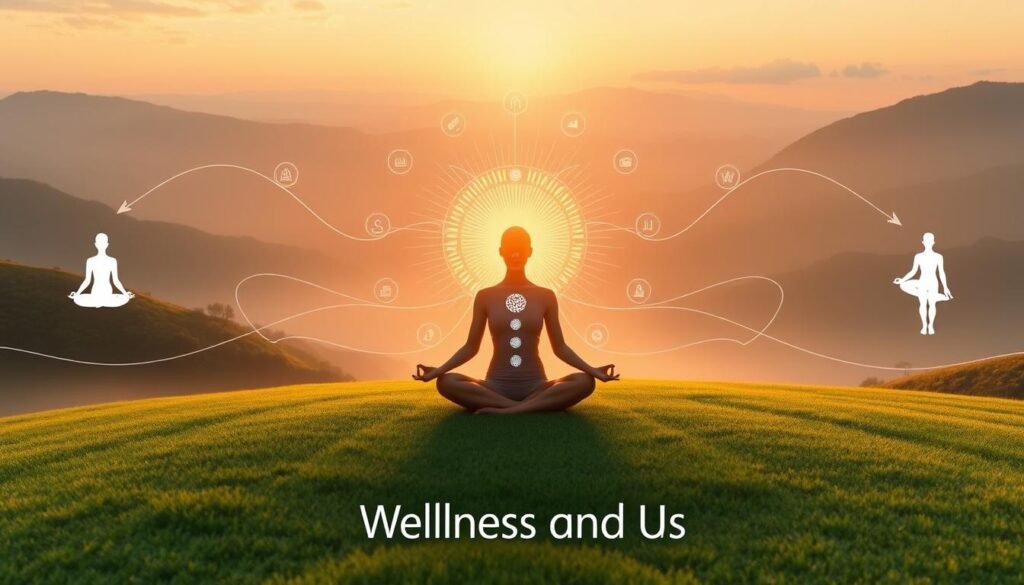
The relationship between our mental and physical states is complex. Our thoughts, emotions, and psychological experiences affect our physical responses.
Understanding the Mind-Body Relationship
Mind-body connection techniques show how our mental state affects our physical health. For example, stress can lead to:
- Increased heart rate
- Elevated cortisol levels
- Compromised immune system
- Muscle tension
“The mind and body are not separate entities, but a unified system working in constant communication.” – Dr. Rachel Naomi Remen
Techniques to Strengthen This Connection
Integrating holistic living practices can balance our mental and physical well-being. Some effective approaches include:
- Meditation and mindfulness
- Breathwork exercises
- Yoga practice
- Guided visualization
| Technique | Mental Benefits | Physical Benefits |
|---|---|---|
| Meditation | Stress reduction | Lower blood pressure |
| Yoga | Emotional balance | Improved flexibility |
| Breathwork | Anxiety management | Enhanced lung capacity |
By developing mind-body connection techniques, we can achieve a more balanced and resilient health approach.
Popular Holistic Health Practices to Explore
Holistic healthcare offers many ways to improve your health. It treats the whole person, not just symptoms. This means looking at your mind, body, and spirit together.
Trying out different holistic practices can help you find what works best for you. This way, you can create a wellness plan that fits your unique needs.
Meditation and Mindfulness
Meditation is a great way to handle stress and clear your mind. It can:
- Reduce anxiety
- Improve emotional control
- Boost your mental health
“The mind is everything. What you think, you become.” – Buddha
Herbal Remedies
Herbal treatments are a gentle way to support your health. Some herbs are known for their benefits, such as:
| Herb | Potential Benefits |
|---|---|
| Turmeric | Anti-inflammatory properties |
| Ginger | Digestive support |
| Chamomile | Stress reduction |
Acupuncture
Acupuncture is an ancient Chinese method. It involves putting thin needles in certain spots on your body. It aims to balance energy flow and can help with:
- Pain management
- Stress reduction
- Boosting overall wellness
By using these holistic practices, you can create a strong plan for staying healthy and feeling your best.
Nutrition in Holistic Health
Nutrition is key in holistic health, leading to full wellness. What we eat affects our body, mind, and spirit. So, choosing the right foods is vital for our health.
Importance of Whole Foods
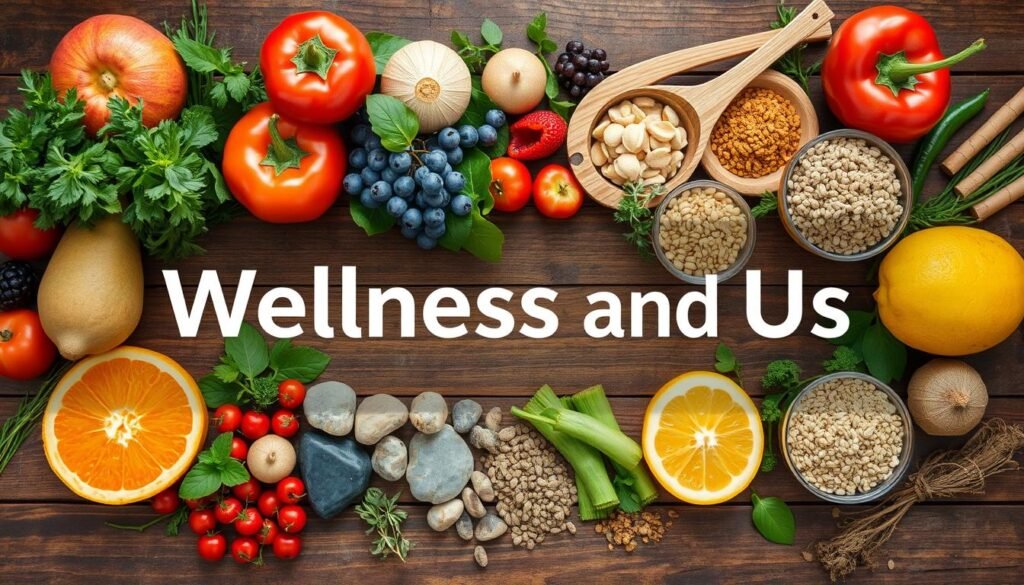
Whole foods are the base of good nutrition in holistic health. They are natural and unprocessed, giving us the nutrients we need. They help our bodies work right and heal.
- Fresh fruits and vegetables
- Whole grains
- Lean proteins
- Nuts and seeds
“Let food be thy medicine and medicine be thy food.” – Hippocrates
Understanding Nutritional Balance
Getting nutritional balance is more than just counting calories. It’s about eating a variety of foods. This supports our health and keeps us from getting too little of important nutrients.
Supplements: When, Why, and How
Even though whole foods are best, supplements can help too. They fill in nutritional gaps and meet our health needs.
- Assess individual nutritional requirements
- Consult healthcare professionals
- Choose high-quality, natural supplements
- Monitor your body’s response
Adding thoughtful nutrition to your life can change your wellness journey. It leads to a more balanced and lively life.
Physical Activity: A Holistic Approach
Physical activity is key in holistic living, linking mind and body through movement. It’s more than just getting fit. It’s about feeling whole and connected.
Holistic activities help us grow in all ways, blending mental and physical health. They show that moving our bodies is about more than strength. It’s about finding peace and balance within.
Types of Exercise for Holistic Health
- Yoga: Combines physical postures with breath control and meditation
- Tai Chi: Gentle, flowing movements that promote balance and inner calm
- Pilates: Focuses on core strength and mindful movement
- Qigong: Ancient Chinese practice combining movement and energy cultivation
Importance of Breath and Movement
Breath connects physical activity to mental clarity. Mindful breathing techniques turn exercise into a deep connection between body and mind.
“Movement is the song of the body” -Ealthful wisdom
| Exercise Type | Mind Benefits | Body Benefits |
|---|---|---|
| Yoga | Stress reduction | Flexibility improvement |
| Tai Chi | Mental clarity | Balance enhancement |
| Pilates | Concentration boost | Core strength |
By adding holistic practices to our workouts, we find a better way to live. It’s about seeing exercise as a way to care for ourselves, not just a task.
Emotional Well-being and Holistic Health
Emotional health is key in holistic healthcare. Our inner world affects our physical and mental health. It creates a complex web of experiences that shape our overall well-being.
Understanding our emotional patterns is vital. It helps us tackle emotional blockages. This can change how we view personal wellness.
Identifying Emotional Blockages
Emotional blockages show up in many ways:
- Persistent negative thought patterns
- Chronic stress responses
- Unexplained physical tension
- Difficulty processing feelings
Strategies for Emotional Resilience
To build emotional resilience, we need to practice:
- Practice mindful meditation
- Engage in regular self-reflection
- Develop healthy emotional communication skills
- Utilize stress-reduction techniques
“Emotional wellness is not about eliminating challenges, but developing the strength to navigate them gracefully.”
| Emotional Resilience Technique | Potential Benefits |
|---|---|
| Journaling | Increased self-awareness |
| Breathwork | Reduced anxiety |
| Therapy | Deeper emotional understanding |
Natural healing views emotions as valuable information. By growing emotional intelligence, we open doors to holistic health and personal growth.
Creating a Holistic Health Routine
Creating a holistic health routine needs careful planning and dedication. Wellness strategies work best when they’re part of your daily life. This way, you build habits that help your overall well-being.
To start a personalized holistic health plan, first understand your unique needs and lifestyle. Here are some tips to help you create a wellness routine that changes your life:
Daily Practices to Incorporate
- Morning mindfulness meditation (10-15 minutes)
- Nutritious whole food breakfast
- Gentle movement or yoga
- Hydration tracking
- Evening reflection and gratitude journaling
“Your daily routine is a reflection of your commitment to holistic health.” – Wellness Expert
The Role of Self-Care in Holistic Health
Self-care is key to holistic health. It’s not just about treating yourself now and then. It’s about making choices every day that care for your body, mind, and spirit.
| Self-Care Dimension | Recommended Practices |
|---|---|
| Physical | Regular exercise, balanced nutrition, adequate sleep |
| Mental | Meditation, learning new skills, stress management |
| Emotional | Therapy, journaling, connection with supportive relationships |
Remember, wellness strategies are not one-size-fits-all. Experiment, be patient with yourself, and adjust your holistic health practices as you learn what works best for you.
Integrating Holistic Health into Daily Life
Turning holistic living into a lasting lifestyle needs careful planning and dedication. The path to integrative medicine starts with small, purposeful steps. These steps lead to significant changes.
Tips for Sustainable Practices
To build lasting holistic health habits, use smart strategies that fit into your daily life:
- Begin with micro-commitments that feel achievable
- Make time for wellness every day
- Use visual reminders of your holistic health goals
- Keep track of your progress with wellness apps or journals
“Wellness is not a destination, but a continuous journey of self-discovery and intentional living.”
Building a Supportive Community
Sharing your holistic health journey with others makes it more rewarding. Integrative medicine grows in supportive groups.
| Community Connection Method | Benefits |
|---|---|
| Local wellness workshops | Learn new holistic living practices |
| Online health forums | Share experiences and gain support |
| Group fitness classes | Build physical and social wellness |
Embracing holistic health is both personal and shared. By connecting with others and staying consistent, you’ll create a lasting wellness approach. This approach will nourish your body, mind, and spirit.
Holistic Health Resources
Looking into holistic healthcare means finding good resources. Whether you’re new or experienced, the right tools can change your health path. This guide helps you explore alternative medicine and learn more.
Books and Literature Recommendations
Many books can guide you to holistic wellness. Dr. Andrew Weil’s “Spontaneous Healing” shares deep insights into integrative medicine. Michael Pollan’s “In Defense of Food” gives new views on eating whole foods.
The National Institute of Health also has a wellness library. It lists the latest holistic health books backed by science.
Online Courses and Workshops
Today, you can learn holistic health online. Sites like Udemy and Coursera have courses from experts. They cover topics like meditation, nutrition, and alternative medicine.
Harvard Medical School also offers online workshops. These are great for those wanting to learn more about wellness.
Local Practitioners and Clinics
Meeting local holistic health experts can make your wellness plan more personal. Look for integrative medicine centers in your area. Make sure they’re well-qualified.
The American Holistic Medical Association can help find certified practitioners. They mix traditional and alternative health methods.