
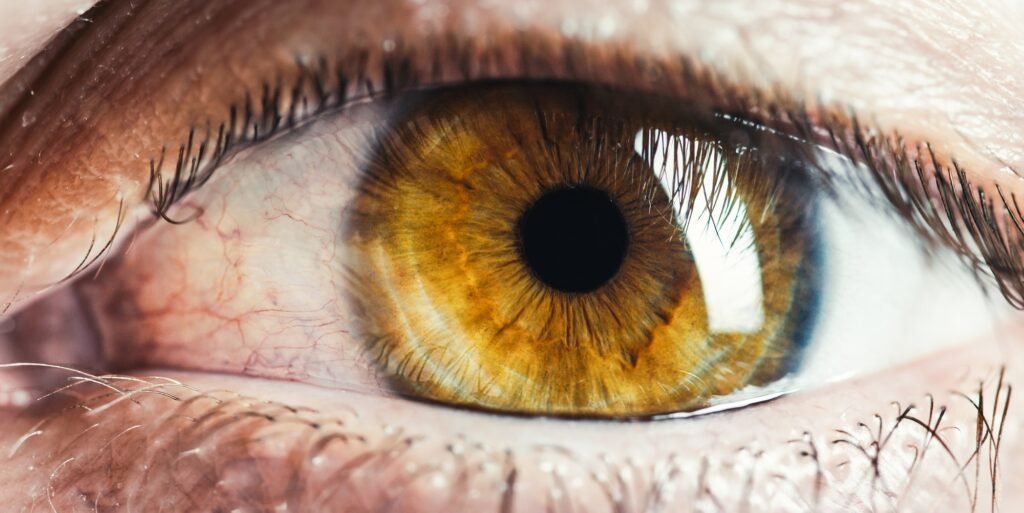
Double vision, or diplopia, is a common problem that can affect anyone. It happens when the brain sees two images from the eyes. This makes objects appear blurry or overlapped. Knowing what causes double vision and how to treat it is key to good eye health.
Double vision can signal many health issues, from eye muscle problems to neurological disorders. It’s important to know the difference between monocular (one eye) and binocular (both eyes) double vision. This helps find the cause and get the right treatment.

Key Takeaways
- Double vision, or diplopia, is a common visual disturbance that affects the perception of objects.
- It can be caused by a variety of medical conditions, including eye muscle problems and neurological disorders.
- Recognizing the different types of double vision, such as monocular and binocular, is essential for accurate diagnosis and treatment.
- Seeking prompt medical attention is crucial for identifying the underlying cause and finding the most effective treatment options.
- Proper management of double vision can help individuals maintain their quality of life and navigate daily activities with greater ease.
What is Double Vision (Diplopia)?
Double vision, also known as diplopia, is when you see two images of one thing. This binocular vision disorder happens when your eyes don’t line up right. It makes your brain see each eye’s view separately.
Monocular vs. Binocular Diplopia
There are two kinds of double vision: monocular diplopia and binocular diplopia. Monocular diplopia is when you see double in one eye. Binocular diplopia is when both eyes see a single object as two images. Knowing the difference helps find the cause and the right treatment.
Common Symptoms and Signs
- Seeing two images of a single object
- Blurred or overlapping vision
- Eye strain or fatigue
- Headaches
- Difficulty with depth perception and spatial awareness
Impact on Daily Life
Double vision can really affect your daily life. It makes simple tasks like driving or reading hard. It can also cause feelings of being off-balance and increase the risk of accidents.
It’s important to address double vision to keep your life quality high and stay safe. Knowing the causes and treatments helps manage this condition. It reduces its impact on your daily activities.
Medical Conditions Leading to Double Vision
Double vision, or diplopia, can be a sign of many medical issues. These problems can affect the eyes, nerves, or brain. It’s important to know the causes to find the right treatment.
One common cause is thyroid eye disease, also known as Graves’ ophthalmopathy. This condition makes the muscles and tissues around the eyes swell. This swelling can cause the eyes to misalign and move poorly.
Myasthenia gravis is another condition that can lead to double vision. It’s a neuromuscular disorder that weakens muscles, including those that control eye movement. This weakness can cause eyelids to droop and lead to double vision.
- Strokes or brain tumors can also cause double vision by affecting nerves.
- Some medications, like those for seizures or high blood pressure, can cause visual disturbances.
- Head or eye trauma, like a concussion or injury, can disrupt eye function and cause double vision.
While these are common causes, other, less common conditions can also lead to double vision. If you have ongoing eye strain and vision problems, see a doctor. They can find the cause and help you get better.

Neurological Causes of Visual Disturbances
Double vision, or binocular vision disorder, can stem from many neurological reasons. These reasons affect how our eyes work together. Knowing these causes helps doctors find and treat the problems.
Brain-Related Conditions
Conditions like stroke, brain tumors, or traumatic brain injury can harm the brain’s vision pathways. This harm stops the brain from correctly processing what we see. It leads to various visual problems.
Nerve Damage and Its Effects
Nerve damage, especially to the oculomotor, trochlear, or abducens nerves, can mess up eye movement. This damage can come from Guillain-Barré syndrome, multiple sclerosis, or cranial nerve palsies. It causes visual disturbances.
Muscle Weakness Implications
Weak or unbalanced eye muscles can also cause double vision. This often happens in neuromuscular disorders, such as myasthenia gravis or thyroid eye disease. These disorders make the eye muscles work poorly together.
Doctors can better understand and treat visual disturbances and binocular vision disorder by knowing their causes. This way, they can create treatment plans that fix the problems and improve vision.
Eye Muscle Problems and Strabismus
Strabismus is when the eyes don’t line up right. This can cause double vision. It happens when the muscles that move the eyes don’t work together. This can make one eye look inward, outward, up, or down.
This misalignment can lead to strabismus, which can also cause amblyopia, or lazy eye. It can make eye strain worse too.
People with strabismus might see things blurry or double. They might also get headaches and have trouble judging distances. It can make everyday tasks hard, like reading or driving.
Fixing strabismus is key. It can make your vision better and improve your life a lot.
- Strabismus is a misalignment of the eyes, causing one eye to turn inward, outward, upward, or downward.
- It can lead to the development of amblyopia, or lazy eye, and exacerbate eye strain.
- Symptoms of strabismus include blurred or double vision, headaches, and difficulty with depth perception.
- Treating strabismus can improve vision and enhance overall quality of life.
| Condition | Symptoms | Impact on Daily Life |
|---|---|---|
| Strabismus | Blurred or double vision, headaches, difficulty with depth perception | Challenges with reading, driving, and social interactions |
Fixing eye muscle problems and strabismus is key to managing double vision. It helps keep your eyes healthy. Knowing about these issues can help you get the right treatment and see better.
“Proper alignment of the eyes is crucial for clear, comfortable vision and depth perception. Addressing strabismus is an important step in managing double vision and improving overall eye health.”
Diagnosing Double Vision
Finding out why you see double is key to fixing the problem. Doctors use physical checks and tests to find the cause. This helps them understand why you’re seeing double.
Physical Examination Methods
Your eye doctor will do a detailed check during your exam. They’ll look at how your eyes line up and work. They might use special tools to see how your eyes move together.
Advanced Diagnostic Tests
For some, more tests are needed to find the cause. These might include MRI or CT scans to check for brain issues. Blood tests can also help find other health problems that might be causing your double vision.
When to Seek Medical Help
If you see double suddenly or it doesn’t go away, see a doctor right away. Sudden double vision can mean something serious like a stroke. If it comes on slowly, it might be eye muscle problems or something else that can be treated. Always talk to an eye doctor if your vision changes, as early treatment can help a lot.
Treatment Options for Double Vision
Dealing with blurred vision or diplopia (double vision) can be tough. But, there are many ways to manage these vision problems. The right treatment depends on the cause and what works best for you.
Corrective Lenses and Prisms
Corrective lenses like glasses or contacts might help first. They can align images and reduce overlap. Prisms, special lenses, can also shift images and help with double vision.
Medication and Therapy
For some causes like nerve damage, medicine might be needed. Vision therapy, with exercises and techniques, can also help. It improves eye coordination and muscle control.
Surgical Interventions
For severe or lasting double vision, surgery might be needed. This can adjust or move eye muscles. The aim is to align the eyes and stop double vision.
Getting the right treatment for double vision starts with a good eye doctor. They’ll find the cause and create a plan just for you. Many people find relief and better quality of life with the right treatment.

“The most important step in treating double vision is to identify and address the underlying cause.”
Lifestyle Adjustments and Vision Therapy
Dealing with double vision, or diplopia, often needs more than just medicine. Making lifestyle changes and doing vision therapy can help a lot. They can manage symptoms and stop vision problems from getting worse.
Exercise and Recovery Techniques
Eye exercises and vision therapy are key in managing double vision. They help the eye muscles work better. This makes focusing and eye coordination easier. Here are some exercises:
- Patching exercises: Covering one eye at a time to improve the brain’s ability to process visual information from both eyes.
- Convergence exercises: Practicing focused activities, such as following a moving object or using a specialized device, to strengthen the eyes’ ability to work together.
- Brock string exercises: Using a string with a bead or object on the end, patients practice focusing on the object as they move it closer to their face, strengthening their convergence skills.
Preventive Measures
There are also steps you can take to prevent double vision from getting worse. These include:
- Minimizing eye strain by taking regular breaks from digital screens and close-up work.
- Wearing corrective lenses or prism glasses as prescribed by an eye care professional to alleviate the strain on the eyes.
- Maintaining a healthy lifestyle, including a balanced diet, regular exercise, and adequate sleep, which can support overall visual health.
By making lifestyle changes and doing vision therapy, people with double vision can often feel better. These steps, along with medical treatment, can help manage convergence insufficiency, eye strain, and other vision issues.
Surgical Interventions and Medical Procedures
When simple treatments for double vision, or diplopia, don’t work, doctors might suggest surgery or special medical treatments. These methods aim to fix the root cause of vision problems and help you see clearly again.
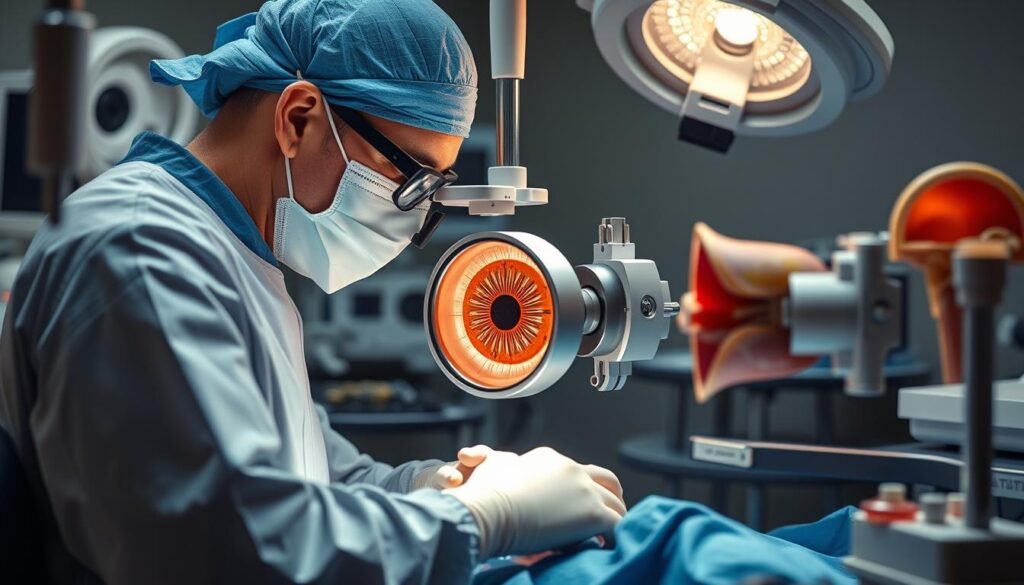
One common surgery for strabismus, a main cause of double vision, is strabismus correction surgery. It adjusts the eye muscles to align the eyes and stop double vision. An ophthalmologist, an eye care doctor, performs this surgery.
Some people might need more than one surgery to fix their vision. The number of surgeries needed depends on how bad the vision problem is and the person’s eye anatomy.
Surgery can be very effective against diplopia but comes with risks like infection, bleeding, and vision changes. It’s important to talk about these risks with your doctor before making a decision.
Doctors might also suggest other treatments like prism lenses or vision therapy. These methods help the brain and eyes work better together, reducing double vision symptoms.
| Surgical Technique | Purpose | Potential Risks |
|---|---|---|
| Strabismus Correction Surgery | Realign the eyes to eliminate double vision | Infection, bleeding, temporary or permanent vision changes |
| Specialized Medical Procedures | Address underlying causes of diplopia, such as nerve damage or muscle weakness | Depending on the procedure, risks may include infection, bleeding, and potential complications |
Knowing about the different surgical and medical options can help those with diplopia find the best treatment. Working with your healthcare team can lead to clear, single vision again.
Conclusion
Double vision, or diplopia, is a complex issue that can really disrupt daily life. We’ve looked at many causes, from medical conditions to eye muscle problems. We’ve also talked about how to diagnose and treat it.
If you keep seeing double, don’t wait to get help. The right treatment can make a big difference. Understanding what causes it and getting help early can improve your life a lot.
Healthcare experts can help you manage double vision. They can suggest changes in your lifestyle, vision therapy, or even surgery. Taking care of your vision is important. Let’s work together to make your vision clearer and more comfortable.