
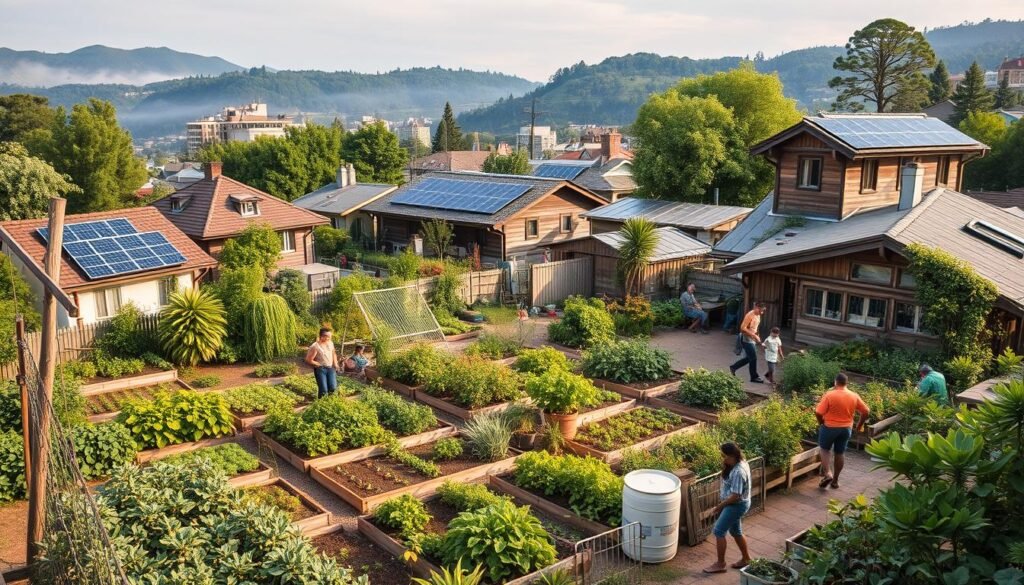
Did you know the average American throws away about 4.9 pounds of trash daily? That’s almost 1,800 pounds a year! Living sustainably is more than a trend. It’s essential for saving our planet and ensuring a healthy future for all.
Starting an eco-friendly lifestyle doesn’t mean big changes. Small, thoughtful actions can greatly reduce our impact on the environment. These tips will help you turn daily habits into actions that help the planet and improve your health.
There are many easy ways to live more sustainably. You can start by reducing waste and saving energy. This guide is for anyone wanting to make a difference. It offers practical tips to help you make a real impact.
Key Takeaways
- Small changes can lead to significant environmental impact
- Sustainable living is accessible to everyone
- Reducing personal waste is key for environmental health
- Eco-friendly choices can save money and resources
- Individual actions contribute to global sustainability efforts
Understanding Sustainable Living
Sustainable living is about making choices that help our planet. It’s about reducing our environmental impact and connecting with nature. As we face big challenges like climate change, living green has become more important than ever.

Living sustainably means making smart choices to use less and protect nature. It’s about being mindful of how we use energy, what we buy, and how we live our lives.
What is Sustainable Living?
Sustainable living is about making choices that lessen our impact on the environment. It includes:
- Reducing waste
- Conserving resources
- Lowering carbon emissions
- Helping nature stay in balance
The Importance of Sustainability
“Every individual action contributes to global environmental transformation.”
Sustainability is more than just saving the planet. It’s about making sure our future is safe. Environmentally friendly living fights climate change, saves species, and builds stronger communities.
| Sustainability Aspect | Potential Impact |
|---|---|
| Energy Conservation | Reduces greenhouse gas emissions |
| Waste Reduction | Minimizes landfill contributions |
| Resource Management | Protects natural ecosystems |
Common Misconceptions
Many think sustainable living means big changes. But, small actions can make a big difference. By adopting sustainable practices, we can help our planet in big ways.
Easy Tips to Reduce Waste
Reducing waste is key to living sustainably. It can greatly change how we affect the environment. Simple steps can help lessen our carbon footprint and make the planet healthier.
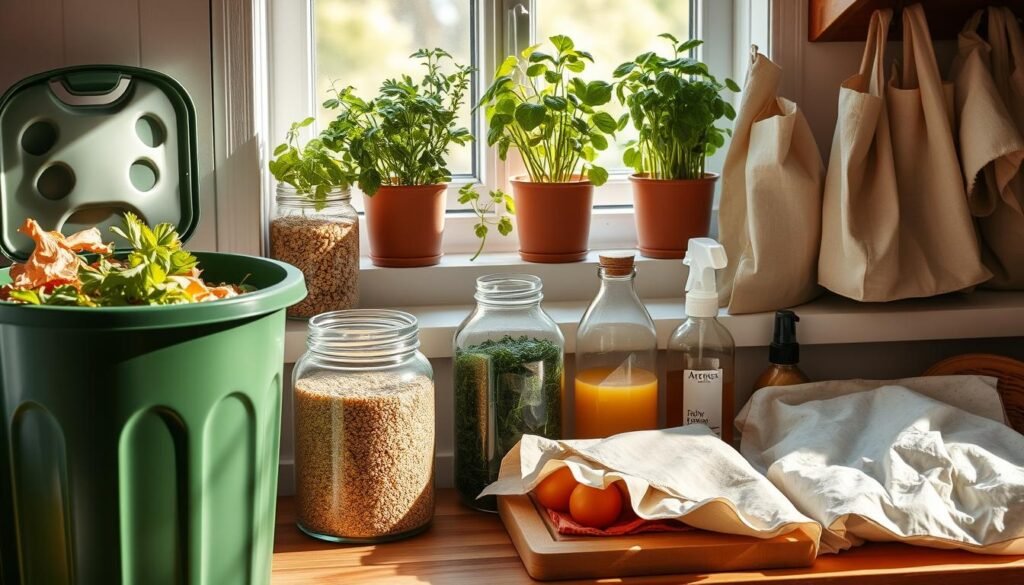
Waste reduction is more than just recycling. It’s about being mindful of what we consume and manage resources better. Making small changes in our daily lives can have big environmental benefits.
Embrace Minimalism
Minimalism is a great way to live sustainably. It helps you clear out unnecessary items and waste. Here’s how to start:
- Evaluate what you own
- Donate things you don’t need
- Buy only what’s essential
- Choose quality over quantity
“Less is more when it comes to sustainable living.” – Environmental Expert
Make Use of Reusable Items
Switching to reusable items is a smart move. It’s one of the best ways to live more eco-friendly. Try these alternatives:
- Use cloth bags instead of plastic
- Carry stainless steel water bottles
- Choose reusable food containers
- Use cloth napkins and towels
Composting Basics
Composting turns waste into soil, which is great for the environment. Start a small composting system in your kitchen or yard. It’s a way to recycle food and garden waste.
By following these tips, you’ll cut down on waste. You’ll also learn to consume more thoughtfully. This benefits you and the planet.
Energy-Saving Strategies for Home
Making your home energy-efficient is key to living sustainably. It cuts down your environmental impact and saves money. Smart ways to use less energy and make your home more efficient are at the heart of green living.
Switch to Energy-Efficient Appliances
Getting new, energy-saving appliances is a big step towards sustainability. Appliances with Energy Star certification use much less power. This means less carbon emissions and lower bills for you.
- Replace old refrigerators and washing machines
- Choose appliances with highest energy efficiency ratings
- Look for Energy Star labels when shopping
Implement Smart Home Technology
Smart home gadgets are great for saving energy. They let you control and track your home’s energy use easily and efficiently.
| Smart Device | Energy Savings |
|---|---|
| Smart Thermostat | 10-15% less on heating/cooling |
| Smart Power Strips | 5-10% less on standby power |
| Smart Lighting | Up to 75% less energy |
Utilize Natural Lighting
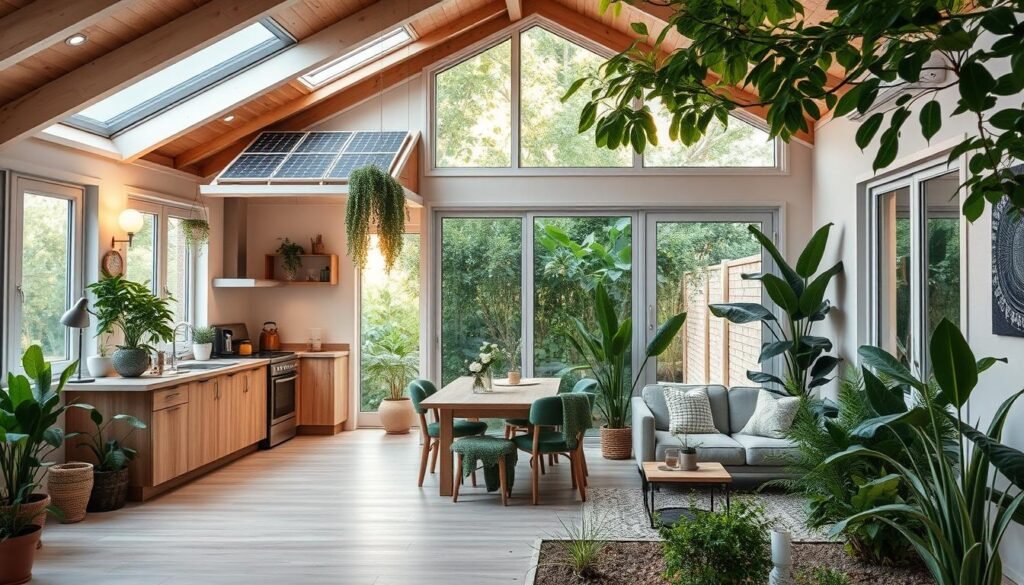
Using more natural light is a simple way to save energy. By placing windows right and using light colors inside, you need less artificial light. This cuts down on electricity use.
“Every ray of sunlight is an opportunity for energy savings” – Green Living Expert
- Install reflective window treatments
- Use light-colored wall paint
- Position furniture to maximize natural light
Sustainable Food Choices
Starting an eco-friendly lifestyle begins with what we eat. Choosing sustainable food can lessen our environmental footprint. It also boosts our health and helps local communities.
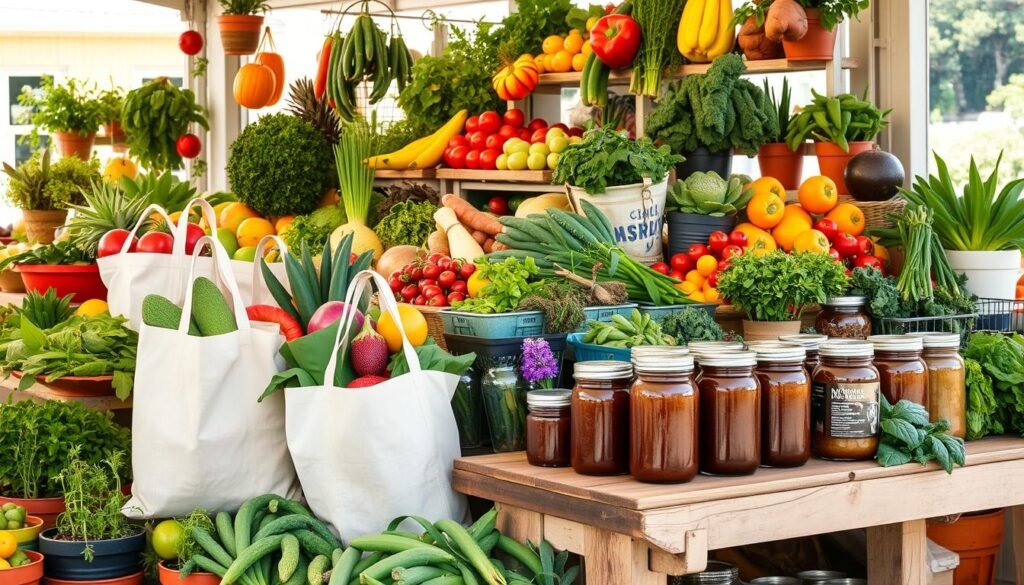
Food is a key area for living sustainably. By making smart food choices, we can help the planet. Our diet can be a powerful tool for saving the environment.
Shopping Local and Seasonal
Buying local and seasonal produce has many benefits:
- It cuts down on emissions from transport
- It supports local farmers
- It gives us fresher, more nutritious food
- It lowers our carbon footprint
Reducing Meat Consumption
“Every meal is an opportunity to create positive environmental change.”
Meat production is a big source of greenhouse gases. Here are ways to eat less meat:
- Try meatless days in your week
- Explore plant-based protein options
- Opt for smaller meat portions
- Choose meats that are raised sustainably
Tips for Plant-Based Eating
Going plant-based doesn’t mean cutting out animal products entirely. Start by adding more plant-based meals to your diet. Include a variety of foods like legumes, whole grains, fruits, and veggies.
By choosing sustainable foods, you help the planet. You also feed your body with healthy, eco-friendly foods.
Eco-Friendly Transportation Options
Transportation is key in sustainable living. Choosing green options can cut down your carbon footprint. It helps the planet and supports global efforts.
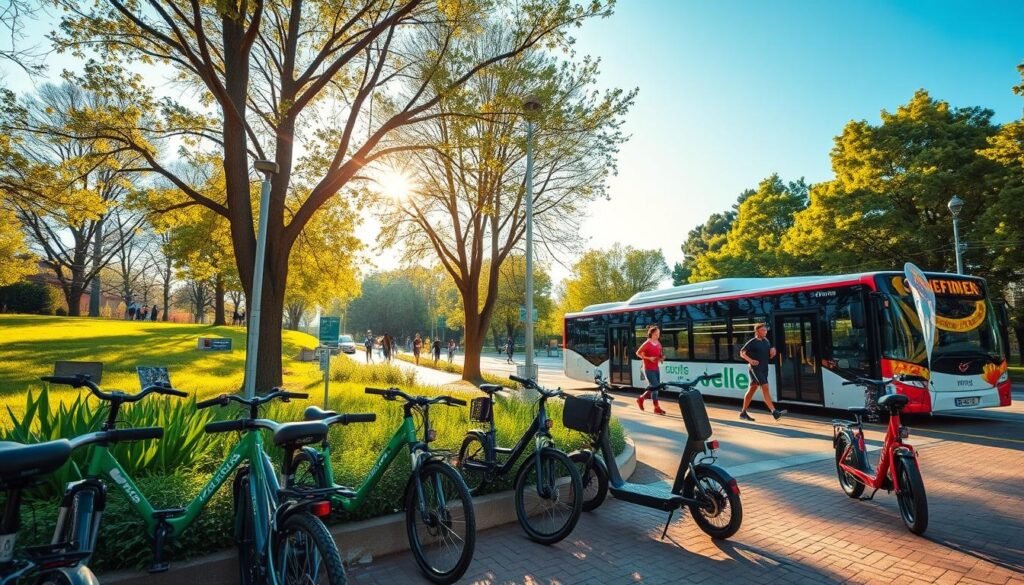
Choosing green transport is good for the planet. It’s also healthier and cheaper for you. Making smart choices changes how we travel.
Benefits of Biking and Walking
- Zero carbon emissions during travel
- Improves personal fitness and health
- Reduces transportation expenses
- Decreases traffic congestion
Public Transportation Hacks
Urban folks can use public transit wisely. Digital apps help plan trips and track routes. It’s easier than ever.
| Transportation Method | CO2 Emissions Per Mile | Cost Efficiency |
|---|---|---|
| Personal Car | 404 g | Low |
| Bus | 82 g | High |
| Train | 41 g | Very High |
Carpooling Alternatives
Ride-sharing and carpooling are smart choices. They cut down on car use and build community ties.
“Every mile not driven is a step towards a sustainable future.” – Climate Action Network
By choosing these options, we help the environment. We also get personal benefits.
Water Conservation Techniques
Water is very important and we need to take care of it. Saving water helps our environment and cuts down on waste. There are easy ways to manage water better at home.
Water saving is more than just turning off the tap. It’s about using water wisely and finding new ways to use it.
Efficient Water Usage in the Home
- Install low-flow showerheads to reduce water consumption
- Fix leaky faucets and pipes immediately
- Use water-efficient appliances
- Collect shower warm-up water for plants
Rainwater Harvesting Tips
Collecting rainwater is a great way to use less city water. You can:
- Water gardens during dry seasons
- Flush toilets
- Clean outdoor areas
“Every drop saved is a step towards environmental preservation.” – Water Conservation Advocate
Drought-Resistant Gardening
| Plant Type | Water Requirement | Climate Adaptability |
|---|---|---|
| Succulents | Low | Arid/Semi-Arid |
| Lavender | Minimal | Mediterranean |
| Sage | Low | Warm Regions |
Using these tips can really help save water. Choose native, drought-resistant plants that need little water and do well in your area.
Environmentally Friendly Cleaning Methods
Starting an eco-friendly lifestyle begins with cleaning your home. Green living ideas are changing how we clean, using safer and more sustainable options. These alternatives replace harsh chemicals found in traditional products.
Cleaning your home doesn’t have to harm the environment. Natural solutions can clean your space safely. They protect your family and the planet.
DIY Natural Cleaning Products
Making your own cleaning solutions is simple. These recipes can replace harsh chemicals:
- All-purpose cleaner: White vinegar, water, and essential oils
- Glass cleaner: Rubbing alcohol, white vinegar, water
- Scrub paste: Baking soda and water
Green Brands to Consider
When buying cleaning products, look for brands that care about the environment:
| Brand | Specialty | Eco-Certification |
|---|---|---|
| Method | All-purpose cleaners | EPA Safer Choice |
| Seventh Generation | Household cleaning | USDA Certified Biobased |
| Mrs. Meyer’s | Plant-derived products | Leaping Bunny Certified |
Tips for Reducing Chemical Use
To reduce chemical exposure, try these cleaning tips:
- Use microfiber cloths for dusting and cleaning
- Opt for steam cleaning when possible
- Choose concentrated products to reduce packaging waste
“Small changes in our cleaning habits can lead to significant environmental impact.” – Environmental Health Experts
Adopting these eco-friendly practices makes your home healthier and more sustainable. Begin with small changes and gradually add green living ideas to your cleaning routine.
Sustainable Fashion Practices
Fashion is a big part of living sustainably. The clothing industry is a huge contributor to waste. Making eco-friendly choices is key to reducing our impact on the planet.
Thrifting and Second-Hand Shopping
Shopping second-hand is a great way to live sustainably. It cuts down on waste and lowers demand for new clothes.
- Explore local thrift stores
- Check online second-hand platforms
- Attend clothing swap events
- Donate your unused clothing
Capsule Wardrobe Essentials
A capsule wardrobe makes living sustainably easier. It focuses on a few, versatile, high-quality items that can be mixed and matched.
| Clothing Item | Versatility Score | Sustainability Rating |
|---|---|---|
| Classic White Shirt | 9/10 | High |
| Dark Wash Jeans | 10/10 | Medium |
| Neutral Blazer | 8/10 | High |
Supporting Ethical Brands
Your choices can change the fashion world. Look for brands that make clothes sustainably, treat workers fairly, and care for the environment.
“Every clothing purchase is a vote for the kind of world you want to live in.” – Eco-Fashion Expert
- Research brand sustainability reports
- Look for certifications like Fair Trade
- Prioritize organic and recycled materials
- Support local and small-scale designers
By choosing sustainable fashion, you can lessen your environmental footprint. You can also keep your style fresh and responsible.
Mindful Consumption Habits
Living sustainably begins with knowing how we buy things. A blog on sustainable living shows that buying mindfully can cut down on waste and harm to the environment. Tips for living eco-friendly focus on changing how we view our stuff.
The 30-Day Minimalism Challenge
Start a journey to simplify your life with the 30-day minimalism challenge. This powerful method helps clear out both your space and your mind.
- Remove one item from your home daily
- Evaluate each purchase critically
- Donate unnecessary items
- Track your spending habits
Practicing Gratitude and Awareness
Feeling grateful changes our view from always wanting more to enjoying what we have. Experts on sustainable living suggest thinking about what you already have every day.
“Happiness is not having what you want. It is wanting what you have.” – Unknown
The Impact of Impulse Buying
| Impulse Buying Consequences | Mindful Alternative |
|---|---|
| Unnecessary waste | Planned, purposeful purchases |
| Financial strain | Budget-conscious spending |
| Environmental burden | Sustainable product choices |
Knowing how our buying choices affect the world helps us make intentional choices. By being mindful, we reduce waste, save money, and live more sustainably.
Building a Sustainable Community
Starting sustainable change is as simple as taking action in your neighborhood. Local efforts can lead to big environmental changes. By joining community initiatives, you can make a bigger difference than you could alone.
Environmental groups are great places to meet others who care about the planet. Places like Sierra Club chapters, Surfrider Foundation, and Green America help you get involved. They offer ways to help with conservation, join projects, and learn more about living green.
Joining Local Environmental Groups
Look for environmental nonprofits and community centers near you. Go to their meetings, workshops, and clean-up events. This is a good way to learn about their work and meet others who care about the environment.
Many groups need volunteers with different skills. Whether you like gardening, helping animals, or working on policies, there’s a place for you.
Volunteer Opportunities Near You
Local parks, nature centers, and programs need volunteers. Websites like VolunteerMatch.org can help you find projects in your area. Volunteering not only helps the environment but also connects you with others who care about it.
Tips for Community Gardening
Community gardens are a great way to live sustainably in cities or suburbs. Find local groups or neighborhood associations that want to start a garden. Learn about gardening together, growing food in a way that’s good for the planet, and working together to take care of the garden.