
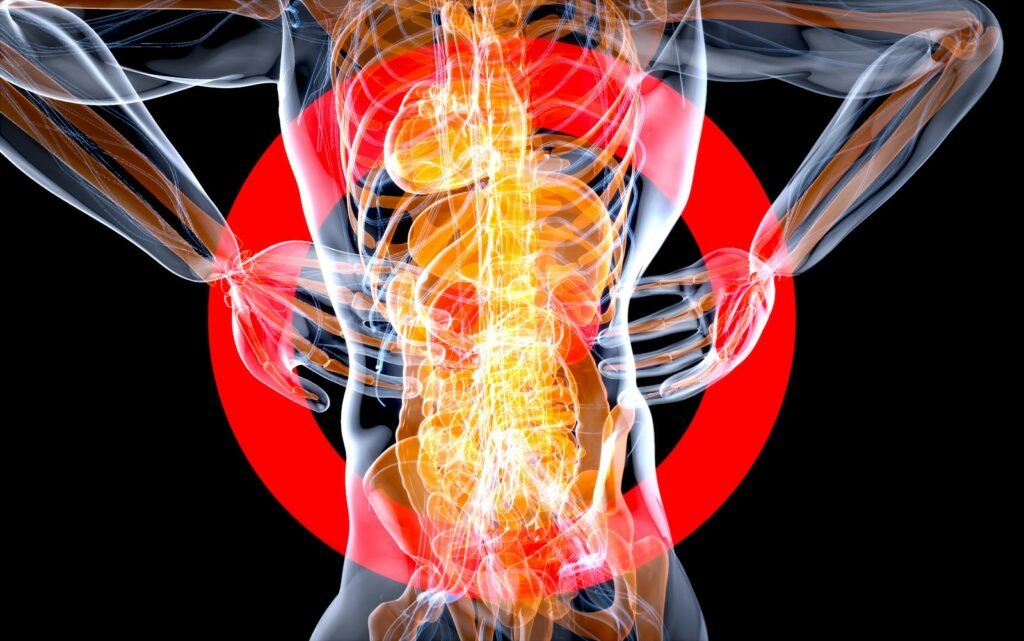
Your kidneys play a vital role in filtering waste and toxins from your blood, but many everyday habits can silently damage them over time.


More than 10% of the population has some form of chronic kidney disease, often without realizing it until significant damage has occurred. This article will explore seven common daily habits that can harm your kidneys and lead to long-term health complications.
Understanding these harmful practices is the first step toward protecting your kidney function and overall wellbeing.
Key Takeaways
- Common daily habits can silently damage kidney health.
- Chronic kidney disease affects a significant portion of the population.
- Seven harmful habits will be explored to raise awareness.
- Protecting kidney function is crucial for overall health.
- Awareness of harmful habits is the first step towards prevention.
Understanding Your Kidneys and Their Vital Functions
Kidneys are remarkable organs that perform multiple critical functions daily. They filter about 120-150 quarts of blood daily, removing waste products and excess fluids that become urine.
What Your Kidneys Do Every Day
Your kidneys maintain electrolyte balance, regulate blood pressure, stimulate red blood cell production, and activate vitamin D for bone health. This multifaceted role underscores the importance of kidney health in overall bodily function.
Why Kidney Health Matters
When kidney function declines, waste products accumulate in the bloodstream, causing various health issues. Maintaining healthy kidneys is crucial because they cannot regenerate significantly damaged tissue, and function loss is often permanent.
| Kidney Function | Impact on the Body |
|---|---|
| Filtering waste and excess fluids | Prevents toxin buildup in the blood |
| Regulating blood pressure | Maintains cardiovascular health |
| Electrolyte balance | Ensures proper muscle and nerve function |

“The kidneys play a vital role in maintaining overall health by filtering waste, excess fluids, and electrolytes from the blood.”
Understanding how your kidneys work emphasizes why protecting them from harmful daily habits is essential for your overall health and longevity.
7 Common Kidney Harm Habits to Avoid
Maintaining healthy kidneys is crucial for overall well-being, and avoiding certain daily habits can significantly reduce the risk of kidney damage. Your daily choices can either support or strain your kidneys, which are vital for filtering waste and excess fluids from your blood.

1. Overusing Pain Medications
Common over-the-counter pain medications like ibuprofen and aspirin can be harmful to your kidneys if taken frequently or in high doses. Long-term use can lead to analgesic nephropathy, a condition where the small filtering blood vessels in the kidneys become damaged.
How Painkillers Affect Kidney Function
Painkillers can reduce blood flow to the kidneys, impairing their ability to function properly. This reduction in blood flow can lead to kidney damage over time, especially in individuals who are already at risk for kidney disease.
Safer Alternatives for Pain Management
Exploring alternative pain management strategies can help reduce reliance on potentially harmful medications. Options include physical therapy, acupuncture, and relaxation techniques. Always consult with a healthcare provider before changing your pain management regimen.
2. Chronic Dehydration
Not drinking enough water can lead to chronic dehydration, forcing your kidneys to work harder with less fluid. This can concentrate toxins and increase the risk of kidney stones and urinary tract infections, potentially damaging kidney tissue.
How Water Shortage Impacts Kidney Health
Adequate hydration is essential for maintaining healthy kidneys. When you’re dehydrated, your kidneys have to work harder to concentrate your urine and conserve water, which can lead to a buildup of toxins.
Optimal Daily Water Intake
The amount of water you need can vary based on age, sex, weight, and activity level. Generally, aiming for at least eight glasses of water a day is recommended, but individual needs may differ. It’s also important to drink water regularly throughout the day.
3. Excessive Alcohol Consumption
Drinking too much alcohol can dehydrate the body and raise blood pressure, both of which can strain kidney function. Excessive alcohol consumption is linked to an increased risk of kidney damage.
Alcohol’s Effect on Kidney Filtration
Alcohol can alter the way kidneys function, affecting their ability to filter waste from the blood. Chronic heavy drinking can lead to sustained changes in kidney function, potentially resulting in long-term damage.
Recommended Limits for Kidney Health
To protect your kidneys, it’s advisable to limit alcohol intake. Exceeding 14 units of alcohol per week can significantly increase your risk of kidney damage. Understanding and adhering to recommended alcohol consumption guidelines is crucial.
4. Smoking and Tobacco Use
Smoking introduces toxic chemicals into your bloodstream, causing oxidative stress and narrowing the blood vessels that supply your kidneys. This can directly damage kidney tissue and increase the risk of kidney disease.
How Smoking Damages Kidney Tissue
The chemicals in tobacco smoke can damage the kidneys’ blood vessels, reducing their function over time. Smoking also increases the risk of developing high blood pressure and diabetes, both of which are major risk factors for kidney disease.
Benefits of Quitting for Kidney Recovery
Quitting smoking can significantly benefit your kidney health by reducing the risk of further damage. It can also improve overall cardiovascular health and reduce the risk of various smoking-related diseases.
5. Maintaining Excess Weight
Being overweight or obese can increase the risk of developing conditions that can lead to kidney disease, such as diabetes and high blood pressure. Excess weight, particularly around the midsection, can disrupt kidney function.
The Connection Between Obesity and Kidney Disease
Obesity is linked to an increased risk of kidney disease through various mechanisms, including hormonal changes and increased inflammation. Managing weight through diet and exercise can help mitigate this risk.
Healthy Weight Management Strategies
Adopting a balanced diet and regular exercise routine can help achieve and maintain a healthy weight. This not only supports kidney health but also reduces the risk of numerous other health issues.
6. Consuming Ultra-Processed Foods
Diets high in ultra-processed foods, which are often rich in sodium, phosphorus, and artificial additives, can put a strain on the kidneys. These foods can increase blood pressure and the risk of kidney disease.
Sodium, Phosphorus, and Kidney Strain
High intake of sodium and phosphorus can be particularly problematic for kidney health. Reducing consumption of processed foods can help minimize the strain on your kidneys.
Kidney-Friendly Diet Choices
Focusing on whole, unprocessed foods like fruits, vegetables, whole grains, and lean proteins can support kidney health. Limiting foods high in salt, sugar, and unhealthy fats is also beneficial.
7. Poor Sleep Habits
Poor sleep quality and duration can disrupt the kidneys’ natural filtration cycle, potentially accelerating kidney function decline. Optimal sleep is between seven to nine hours per night.
How Sleep Deprivation Affects Kidney Function
Sleep deprivation can lead to hormonal changes that affect kidney function. It can also increase the risk of developing conditions like high blood pressure and diabetes, which are risk factors for kidney disease.
Optimal Sleep Duration for Kidney Health
Maintaining a consistent sleep schedule and creating a sleep-conducive environment can help achieve optimal sleep. Good sleep hygiene practices support overall health, including kidney function.
Warning Signs of Kidney Damage
Recognizing the warning signs of kidney damage is crucial for early intervention and preventing further deterioration. The kidneys play a vital role in maintaining overall health, and damage to them can have severe consequences if left unchecked.
Early Symptoms to Watch For
Kidney damage often progresses silently, with symptoms appearing only after significant function has been lost. Changes in urination patterns, such as increased frequency, especially at night, or foamy urine indicating protein leakage, can signal kidney problems. Unexplained fatigue, difficulty concentrating, and poor sleep may result from waste product buildup in the bloodstream due to declining kidney function.
- Swelling in the feet, ankles, hands, or face due to excess fluid retention
- Persistent puffiness around the eyes, particularly in the morning
- Metallic taste in the mouth, ammonia breath, loss of appetite, muscle cramps, and high blood pressure resistant to medication
When to Consult a Healthcare Provider
If you experience these symptoms, especially if you have risk factors like diabetes, hypertension, or a family history of kidney disease, consult a healthcare provider immediately.
| Symptom | Possible Indication |
|---|---|
| Changes in urination patterns | Kidney problems or kidney damage |
| Swelling in extremities | Fluid retention due to kidney dysfunction |
| Unexplained fatigue | Waste buildup in the bloodstream |

Simple Changes to Protect Your Kidneys
Simple adjustments to your daily habits can significantly impact your kidney health. By incorporating a few straightforward changes, you can help protect your kidneys and maintain overall well-being.
Daily Habits That Support Kidney Health
To support your kidney health, consider the following daily habits:
- Staying properly hydrated by drinking 1.5-2 liters (6-8 cups) of water daily, adjusting according to weather and physical activity.
- Adopting a kidney-friendly diet rich in fruits, vegetables, whole grains, and lean proteins, while limiting processed foods and excess sodium.
- Engaging in regular physical activity, aiming for at least 30 minutes of moderate exercise five days a week.
- Monitoring and managing blood pressure and blood sugar levels to prevent kidney damage.
- Reviewing medications with your healthcare provider to ensure they are not harmful to your kidneys.
- Prioritizing quality sleep of 7-9 hours nightly to support your body’s natural repair processes.

Preventive Measures for High-Risk Individuals
For individuals with diabetes, hypertension, or a family history of kidney disease, regular kidney function testing is crucial. This can help catch potential problems early, when intervention is most effective.
By adopting these simple changes and being mindful of your kidney health, you can significantly reduce the risk of kidney damage and maintain overall health.
Risk Factors That Compound Kidney Harm Habits
Several risk factors can heighten the risk of kidney disease when paired with harmful habits, making it essential to be aware of these factors.
Medical Conditions That Increase Kidney Vulnerability
Certain medical conditions can significantly increase the risk of kidney damage. Diabetes is a major risk factor as it damages the blood vessels in the kidneys. Hypertension, or high blood pressure, also puts a strain on the kidneys, accelerating damage.
- Diabetes damages blood vessels throughout the body, including the millions of tiny filtering units (nephrons) in the kidneys, significantly increasing kidney vulnerability.
- Hypertension puts constant strain on kidney blood vessels, accelerating damage from other harmful habits and making blood pressure control essential for kidney protection.
- Heart disease and kidney disease share many risk factors and often occur together, creating a dangerous cycle where each condition worsens the other.
- Autoimmune conditions like lupus and IgA nephropathy directly attack kidney tissue, making affected individuals more susceptible to damage from everyday harmful habits.
Genetic Factors in Kidney Disease
Genetic factors also play a significant role in kidney disease risk. Family history is crucial, with conditions like polycystic kidney disease being directly inherited. Age is another factor, as kidney function naturally declines about 1% per year after age 40.
- Family history plays a significant role in kidney disease risk, with conditions like polycystic kidney disease being directly inherited through genetic transmission.
- Age increases kidney vulnerability, as kidney function naturally declines about 1% per year after age 40, making protective habits more crucial for older adults.
- Certain ethnic groups, particularly African Americans, Hispanic Americans, and Native Americans, have genetically higher risks for developing kidney disease, requiring extra vigilance with kidney health habits.
| Risk Factor | Description | Impact on Kidney Health |
|---|---|---|
| Diabetes | Damages blood vessels | Increases kidney vulnerability |
| Hypertension | Puts strain on kidney blood vessels | Accelerates kidney damage |
| Family History | Inherited conditions like polycystic kidney disease | Increases risk of kidney disease |

Conclusion
Maintaining healthy kidneys requires awareness of daily habits that can cause damage. By avoiding harmful habits like overusing pain medications and excessive alcohol consumption, you can significantly reduce your risk of kidney disease. Healthy habits support overall health, benefiting your heart and other vital organs.