
Good oral hygiene is key for our health and happiness. It keeps our teeth and gums in top shape. This guide will share tips and strategies for great oral health.
Key Takeaways
- Understand the importance of daily oral hygiene practices
- Learn the proper techniques for brushing and flossing your teeth
- Discover the impact of poor dental care on your overall health
- Explore natural remedies and dietary choices that support oral health
- Identify common dental issues and when to seek professional help
Understanding the Fundamentals of Daily Oral Hygiene
Good oral hygiene is key for a healthy smile and overall health. It’s a mix of science and daily habits. Knowing how clean teeth and healthy gums work helps us see why dental care is so important.
The Science Behind Clean Teeth and Healthy Gums
Our mouths have many bacteria, some good, some bad. Sugary foods feed these bad bacteria, making acids that harm teeth and gums. This can cause plaque, a sticky film that harms teeth and gums.
Brushing and flossing stop this problem. They remove bacteria and plaque before they cause harm. This keeps our teeth and gums healthy, preventing cavities and gum disease.
Impact of Poor Dental Care on Overall Health
Our mouth health is linked to our overall health. Poor oral hygiene increases the risk of heart disease, stroke, and diabetes. Mouth bacteria and inflammation can enter the blood, leading to these diseases.
Ignoring dental care can also cause tooth loss. This makes eating and digesting food harder. It affects our physical and mental health.
By focusing on daily oral hygiene and fixing dental issues quickly, we keep our smile and support our health for the long term.
Mastering the Perfect Tooth Brushing Technique
Proper tooth brushing is key to good oral health. Learning the right technique helps remove plaque and keeps your teeth and gums healthy. Here are the essential steps for a flawless brushing routine.
The Ideal Brush Selection
Choosing the right toothbrush is important. Look for a soft-bristled brush that fits well in your hand. It should reach all parts of your mouth. Electric toothbrushes are great because they have timers and sensors to guide you.
Proper Brushing Technique
- Angle the brush at 45 degrees to your gums, gently brushing in small, circular motions.
- Spend at least two minutes brushing, ensuring you cover all surfaces of your teeth.
- Pay special attention to the hard-to-reach areas, such as the inner surfaces of your front teeth and the chewing surfaces of your molars.
Effective Plaque Removal
Brushing alone may not remove all plaque. Use toothpaste with fluoride to strengthen your enamel and prevent cavities. Also, use floss or a water flosser to clean areas your toothbrush can’t.
| Brushing Duration | Bristle Softness | Brushing Technique |
|---|---|---|
| At least 2 minutes | Soft-bristled | Gentle, circular motions at a 45-degree angle to the gums |
By following these best practices, you’ll keep your smile healthy and bright.
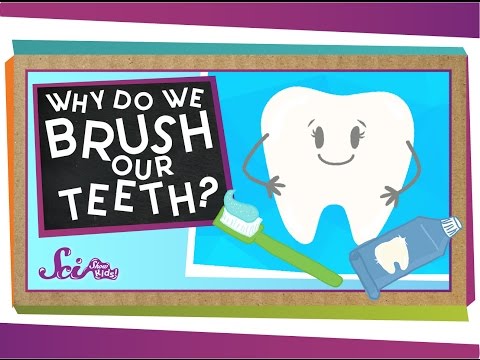
“Proper tooth brushing is the foundation of good oral health. With the right technique, you can effectively remove plaque and prevent dental issues.”
The Complete Guide to Proper Flossing Methods
Flossing is key to good dental care, but many skip it. We’ll cover the different floss types, how to floss right, and common mistakes to avoid.
Different Types of Floss and Their Uses
There are many flossing options, each with its own benefits:
- Traditional waxed floss: Great for tight spaces and removing plaque.
- Unwaxed floss: Thinner, good for sensitive gums.
- Dental tape: Wide, perfect for big gaps between teeth.
- Floss picks: Easy to use, great for quick flossing on the go.
Step-by-Step Flossing Instructions
Follow these steps for proper flossing:
- Take 18 inches of floss and wrap most around a finger, leaving a bit for use.
- Slide the floss between teeth gently, avoiding snapping.
- Curve the floss into a C-shape against a tooth and move it up and down.
- Do the same for the next tooth, being careful not to snap the floss.
- Dispose of used floss and wind new floss around your finger for the next use.
Common Flossing Mistakes to Avoid
Avoid these common flossing errors:
- Don’t snap or yank the floss, as it can hurt your gums.
- Make sure to floss deep enough to reach the gumline.
- Don’t reuse the same floss section to avoid spreading bacteria.
- Avoid flossing too hard to prevent bleeding and gum inflammation.
Proper flossing is crucial for removing plaque and improving your oral health. Consistent and careful flossing leads to a healthy, bright smile.
Choosing the Right Dental Care Products
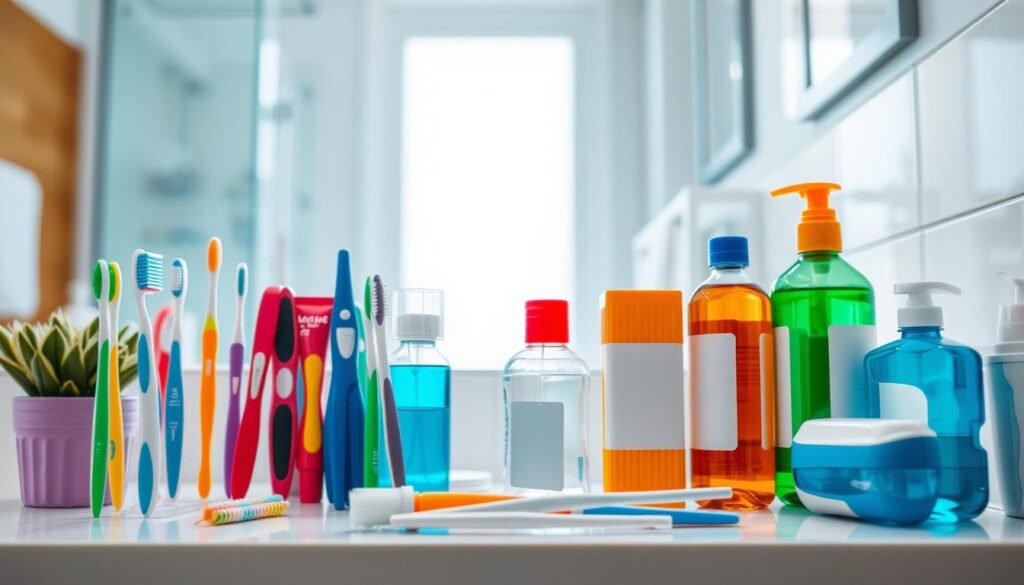
Good oral hygiene is more than just brushing and flossing. The dental care products you pick are key. It’s important to know what makes them effective.
Fluoride is crucial. It strengthens tooth enamel and fights cavities. Choose toothpastes with 1,000 to 1,500 parts per million (ppm) fluoride, as recommended by the American Dental Association (ADA).
| Dental Care Product | Key Considerations |
|---|---|
| Toothpaste |
|
| Mouthwash |
|
| Interdental Cleaners |
|
Toothpaste’s abrasiveness is also important. It affects how well it removes stains and plaque. For whitening, look for toothpastes with hydrogen peroxide or baking soda.
Mouthwash should have antimicrobial ingredients like cetylpyridinium chloride or essential oils. These help control bacteria and prevent gum disease. Fluoride in mouthwash adds extra protection for your teeth.
Interdental cleaners, like floss, brushes, and water flossers, are vital. They clean between teeth where your toothbrush can’t. Pick ones that are easy to use and clean well.
By choosing the right dental care products, you can improve your oral hygiene. This helps keep your beautiful smile healthy.
Professional Tips for Effective Plaque Removal
Keeping your teeth clean is key to good dental health. Plaque, a sticky film of bacteria, can harm your teeth if not removed. We’ll look at how plaque forms and how to keep your teeth and gums healthy.
Understanding Plaque Formation
Plaque is made when mouth bacteria create a sticky film that sticks to your teeth. Over time, this film hardens into tartar, which is harder to remove. If you don’t remove plaque, it can cause gum inflammation, tooth decay, and even tooth loss.
Tools and Techniques for Plaque Control
Dentists say brushing and flossing are essential for removing plaque. But, there are more tools and methods to help:
- Disclosing tablets: These tablets stain plaque, making it easier to see where you need to brush and floss more.
- Professional cleanings: Regular dentist or hygienist visits can remove plaque and tartar you might miss at home.
- Antimicrobial mouthwashes: Mouthwashes with antibacterial agents can help fight bacteria that cause plaque.
Using these tips in your daily plaque removal and dental care routine can keep your smile healthy and bright for years.
| Tool | Description | Effectiveness |
|---|---|---|
| Disclosing Tablets | Chewable tablets that temporarily stain plaque, making it easier to identify areas that need more attention during brushing and flossing. | High – Helps to visualize plaque and improve brushing and flossing technique. |
| Professional Cleanings | Regular visits to a dentist or hygienist for thorough cleaning to remove stubborn plaque and tartar buildup. | High – Removes plaque and tartar that can’t be easily removed at home. |
| Antimicrobial Mouthwashes | Mouthwashes containing antibacterial agents to help reduce the bacteria that contribute to plaque formation. | Moderate – Helps to control plaque, but should be used in conjunction with regular brushing and flossing. |
Natural Remedies to Support Oral Health
Good oral hygiene is more than just brushing and flossing. Nature offers many strong remedies to help keep your mouth healthy. These can add to your daily care routine.
Oil Pulling is an old Ayurvedic method. You swish a tablespoon of oil, like coconut or sesame, in your mouth for 15-20 minutes. It helps lower gingivitis and plaque, and makes your breath smell fresh.
- Coconut oil fights bad bacteria with its antimicrobial properties.
- Sesame oil, full of antioxidants, has been used for centuries in Indian medicine for the mouth.
Herbal rinses are another natural way to care for your mouth. Green tea, sage, and clove oil can stop gingivitis and tooth decay bacteria. Adding these rinses to your daily routine can protect your mouth more.
| Herb | Benefit |
|---|---|
| Green Tea | Anti-inflammatory and antibacterial properties |
| Sage | Reduces plaque and freshens breath |
| Clove Oil | Analgesic and antiseptic effects |
Dietary supplements with xylitol, cranberry, or CoQ10 also help with oral hygiene and gum health. These nutrients can be great for your mouth’s health.

“Integrating natural remedies into your daily oral care routine can provide an extra layer of protection for your teeth and gums.”
The Role of Diet in Maintaining Healthy Teeth
Keeping your teeth and gums healthy is more than just brushing and flossing. Your diet is key in supporting dental care and gum health. By choosing the right foods and drinks, you can greatly improve your mouth’s health.
Foods That Promote Dental Health
Some foods and nutrients are good for your teeth. These include:
- Crunchy fruits and vegetables, like apples, carrots, and celery, help remove plaque and boost saliva.
- Dairy products, such as cheese, yogurt, and milk, are full of calcium and phosphorus for strong teeth.
- Green tea has polyphenols that stop harmful bacteria in the mouth.
- Nuts and seeds offer protein, fiber, and healthy fats for better oral health.
What to Avoid for Better Oral Care
But, some foods and drinks can harm your teeth and gums. It’s wise to limit or avoid these:
- Sugary and acidic foods, like candies, soda, and citrus fruits, can damage tooth enamel and cause cavities.
- Starchy snacks, like chips and crackers, can get stuck in your teeth and help bacteria grow.
- Alcohol can dry out your mouth, reducing saliva and increasing the risk of tooth decay and gum disease.
By choosing foods that support dental care and gum health, you can help keep your smile healthy and beautiful.
Advanced Strategies for Fresh Breath and Whitening
Keeping your breath fresh and your smile bright can be tough. But, with the right strategies, you can keep your mouth healthy. This section will show you how to fight bad breath and whiten your teeth effectively.
Conquering Halitosis: Effective Strategies for Fresh Breath
Bad breath, or halitosis, can be embarrassing. But, there are ways to prevent and manage it. Start by improving your dental hygiene and avoiding dry mouth. Using halitosis prevention methods like tongue scraping and antibacterial mouthwash can help a lot.
Achieving a Brighter, Whiter Smile
Want a whiter smile? There are many teeth whitening options. You can try over-the-counter products or professional treatments. Choose based on your budget, desired results, and how sensitive your teeth are. Always talk to your dentist before starting any whitening treatment.
| Whitening Method | Effectiveness | Cost | Sensitivity |
|---|---|---|---|
| Over-the-Counter Whitening Strips | Moderate | $ | Low to Moderate |
| Professional Whitening Treatments | High | $$-$$$ | Moderate to High |
| Whitening Toothpastes | Low to Moderate | $ | Low |
By using these advanced strategies, you can have a fresh, bright smile. Always check with your dentist to make sure any whitening or bad breath prevention methods are safe and work well for you.
Prevention and Treatment of Common Dental Issues
Good dental care is key for your health. Spotting dental problems early and getting help fast is important. Let’s look at common dental issues and how to fix them.
Early Signs of Dental Problems
Watching for small changes in your mouth can help catch problems early. Look out for:
- Persistent tooth sensitivity or pain
- Bleeding or swollen gums
- Persistent bad breath
- Discoloration or staining of teeth
- Tooth ache or difficulty chewing
When to Seek Professional Help
If you notice these signs, see your dentist. Ignoring dental issues can lead to bigger problems, like gingivitis treatment or expensive dental work. Getting help early can save you from costly treatments later.
By being proactive and addressing dental issues quickly, you can keep your smile healthy and bright. Remember, prevention is the best way to care for your teeth.
Creating an Effective Daily Oral Care Routine
Keeping your mouth clean is key for a healthy smile. It’s important to have a daily routine that covers all the basics. This way, you can keep your teeth and gums in top shape.
Begin your day with a good tooth brushing session. Brush for at least two minutes, making sure to get all your teeth and gums. Use a soft-bristled toothbrush and fluoride toothpaste to clean your teeth well.
Don’t skip flossing once a day. It helps get rid of food and plaque in places your toothbrush can’t reach. Take your time and floss correctly for the best results.
Adding mouthwash to your routine can also help. It kills bacteria, freshens your breath, and protects your gums and teeth.
Carry sugar-free gum with you to keep your mouth clean all day. Chewing gum makes saliva, which helps clean your mouth.
Before bed, brush your teeth again. This removes any leftover food and gets your mouth ready for sleep.
Stick to this daily dental care plan to keep your mouth healthy. Being consistent is crucial, so make it a part of your daily routine.
Conclusion
Keeping your mouth clean is key to your health. By following the tips in this article, you can keep your teeth and gums healthy for life.
Learn how to brush and floss right. Try natural remedies and eat well. You’ll have the tools to keep your mouth in top shape.
Stick to a daily oral care routine and see your dentist regularly. This will protect your teeth and gums. It also boosts your overall health.
By focusing on oral hygiene, you’re investing in your future health. Start these oral hygiene habits today. Enjoy a dental care routine that makes your smile shine and keeps you healthy.