

Staring at the ceiling. Watching the clock tick past midnight. Feeling exhausted yet unable to drift off. If you’ve experienced the frustrating cycle of insomnia, you’re not alone. Millions of Americans struggle with sleep challenges that can dramatically impact their quality of life, work performance, and overall well-being.
Insomnia solutions aren’t just about getting more sleep—they’re about reclaiming your nights and restoring your energy. This guide will walk you through proven sleep remedies that can transform your relationship with rest. We’ll cover everything from understanding sleeplessness to exploring cutting-edge treatment strategies.
Whether you’re experiencing occasional sleepless nights or chronic insomnia, hope and help are within reach. Our expert-backed approach will empower you to understand, manage, and ultimately conquer your sleep challenges.
Key Takeaways
- Insomnia affects millions of people nationwide
- Multiple effective sleep remedies exist
- Understanding your sleep patterns is key
- Professional help is available and recommended
- Lifestyle changes can significantly improve sleep quality
- Insomnia solutions are personalized and adaptive
Understanding Insomnia: What It Is and Common Causes
Insomnia is a sleep disorder that affects millions in the U.S. It’s more than just trouble falling asleep. It affects your overall health and daily life.
To improve sleep, it’s key to know the different types of insomnia. Experts have identified several types:
- Acute Insomnia: Short-term sleep issues lasting a few days or weeks
- Chronic Insomnia: Long-term sleep problems happening at least three nights a week for three months
- Onset Insomnia: Trouble starting to sleep
- Maintenance Insomnia: Trouble staying asleep all night
Identifying Contributing Factors
Many things can disrupt your sleep and make it hard to sleep well:
- Psychological stress
- Anxiety and depression
- Irregular work schedules
- Medical conditions
- Medications
- Caffeine and alcohol consumption
Recognizing When Professional Help Is Needed
Knowing when to seek medical help is important for better sleep. Look for these signs:
- Persistent sleep problems lasting more than a month
- Daytime fatigue affecting work performance
- Emotional distress related to sleep difficulties
- Potential underlying health conditions
Sleep is not a luxury—it’s a fundamental requirement for optimal health and well-being.
The Importance of Sleep Hygiene
Sleep hygiene practices are key to managing insomnia and improving sleep quality. By focusing on bedtime routines, you can change your sleep for the better. This helps you face and solve sleep problems.
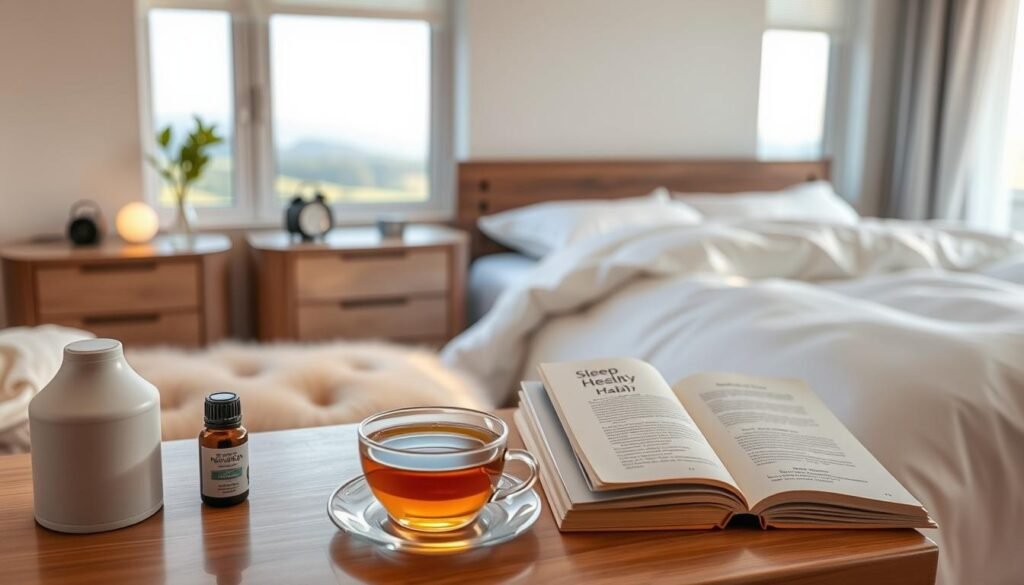
Creating a Sleep-Friendly Environment
Creating the perfect sleep space is all about the details. Your bedroom should be a calm place that helps you relax and sleep well.
- Maintain room temperature between 60-67°F
- Use blackout curtains to eliminate external light
- Invest in comfortable, breathable bedding
- Minimize noise with sound-dampening materials
Establishing Consistent Bedtime Routines
Bedtime routines tell your body it’s time to relax. A consistent set of calming activities helps keep your sleep schedule regular.
| Time | Recommended Activity |
|---|---|
| 1 hour before bed | Light stretching or gentle yoga |
| 45 minutes before bed | Warm herbal tea or relaxation reading |
| 30 minutes before bed | Meditation or deep breathing exercises |
Limiting Screen Time Before Bed
Electronic devices can mess with your sleep by blocking melatonin. Setting a digital curfew can greatly enhance your sleep.
- Stop using electronic devices 1 hour before bedtime
- Use blue light filtering apps or glasses
- Keep smartphones and tablets out of the bedroom
- Replace screen time with reading or journaling
Natural Remedies for Insomnia
Struggling with sleepless nights can be really tough. But, there are gentle, effective solutions to help. By exploring natural ways, you can find relaxation techniques and remedies that help you sleep well without harsh meds.
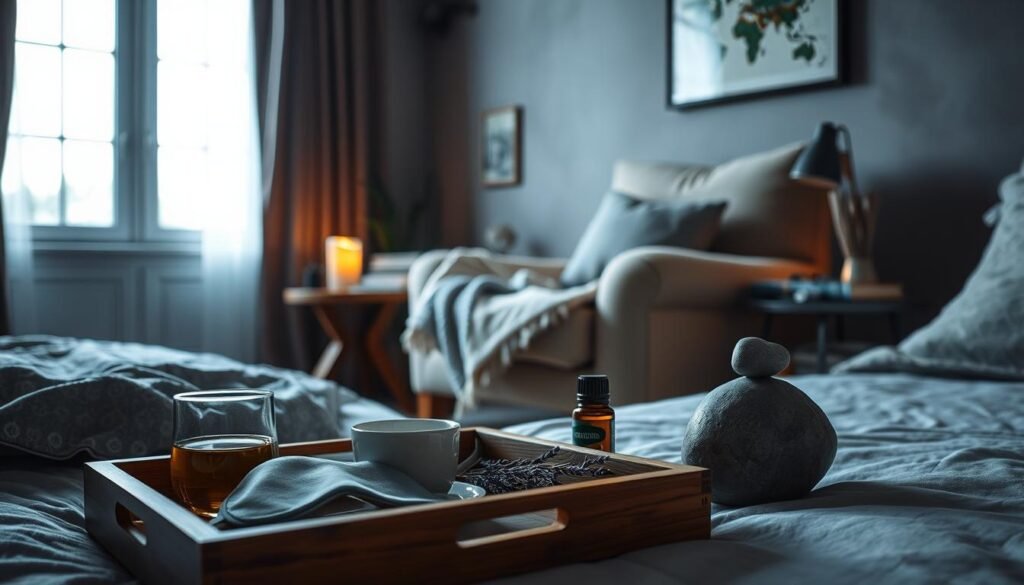
Herbal Supplements for Better Sleep
Natural sleep aids are becoming more popular for treating insomnia. Many herbal supplements can boost sleep quality:
- Valerian root: Supports relaxation and reduces anxiety
- Chamomile: Provides calming effects and promotes peaceful sleep
- Melatonin: Helps regulate sleep-wake cycles
Aromatherapy for Relaxation
Combining relaxation exercises with aromatherapy can make a great sleep environment. Essential oils like lavender, bergamot, and sandalwood can calm your mind and body for sleep.
| Essential Oil | Sleep Benefits | Recommended Use |
|---|---|---|
| Lavender | Reduces stress and anxiety | Diffuser or pillow spray |
| Bergamot | Promotes relaxation | Massage oil or bath |
| Sandalwood | Calms nervous system | Evening meditation |
Effective Relaxation Techniques
Adding relaxation exercises to your bedtime routine can greatly improve sleep. Try these methods:
- Progressive muscle relaxation
- Deep breathing exercises
- Guided meditation
- Gentle yoga stretches
Remember, everyone’s sleep needs are unique. Try different natural sleep aids and relaxation techniques to find what works best for you.
Cognitive Behavioral Therapy for Insomnia
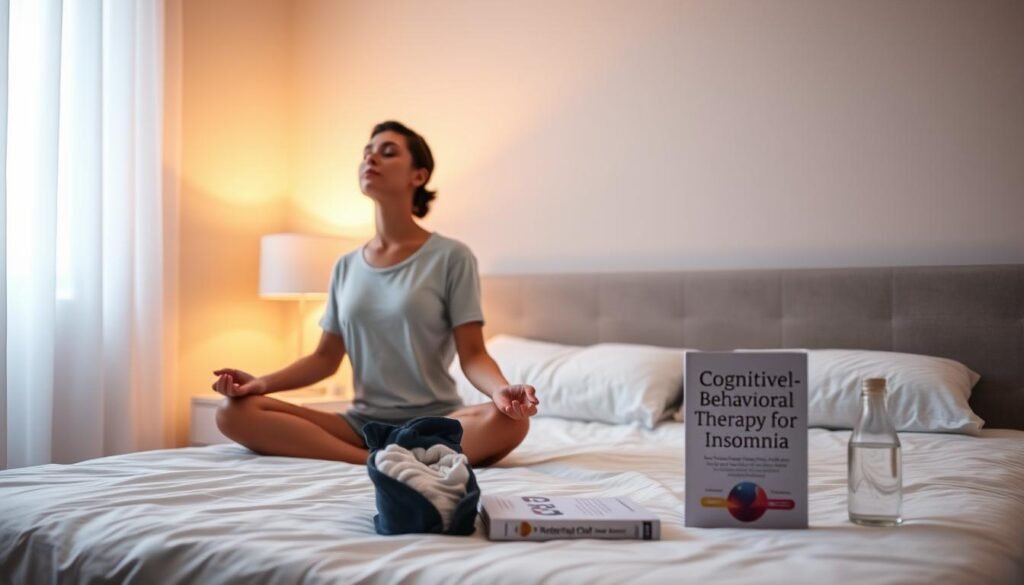
Insomnia can really mess up your daily life. Cognitive Behavioral Therapy for Insomnia (CBT-I) is a strong way to fight sleep problems. It doesn’t use drugs like some treatments do. Instead, it gets to the heart of why you can’t sleep well.
Understanding CBT-I
CBT-I is a program that helps you change thoughts and actions that mess with your sleep. It focuses on deep sleep techniques. It aims to replace bad thoughts with good ones and teach you how to sleep better.
- Targets underlying causes of insomnia
- Provides long-term sleep improvement
- Reduces dependence on sleep medications
How CBT-I Works
The therapy uses several key strategies to help you sleep better:
- Sleep restriction: This means limiting your time in bed to make your sleep more efficient.
- Cognitive restructuring: It helps you face and overcome sleep-related fears.
- Relaxation training and stress management: These techniques help you relax and manage stress.
Benefits of CBT-I
People who try CBT-I often see big improvements in their sleep. These solutions help you learn to handle sleep problems. This leads to better sleep and a happier life.
CBT-I empowers individuals to take control of their sleep patterns through proven psychological techniques.
Lifestyle Changes to Combat Insomnia
Changing your daily habits can greatly improve your sleep. By making smart lifestyle changes, you can learn to sleep better. This can also lessen the effects of insomnia on your life.
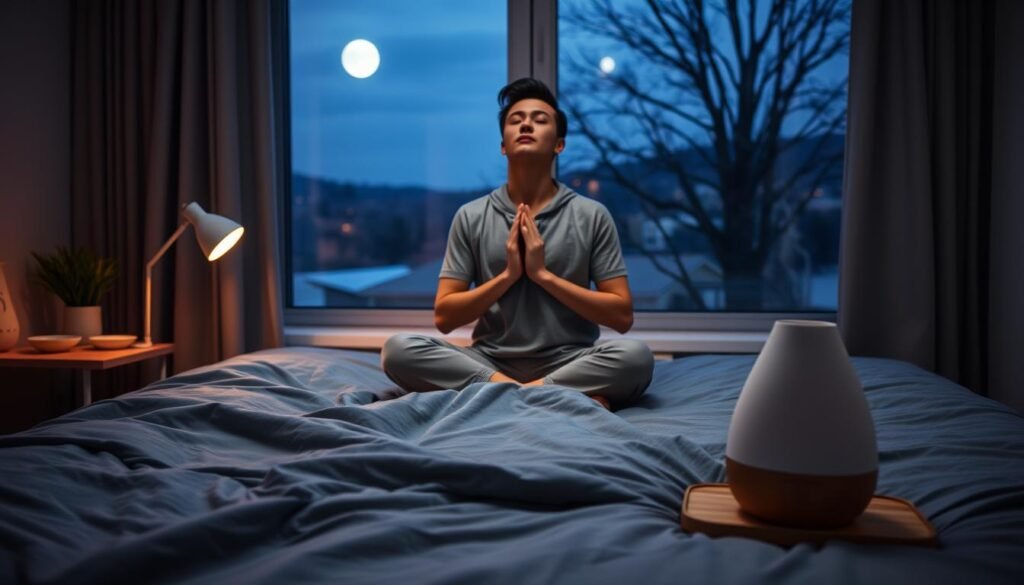
Exercise and Its Role in Sleep
Exercise is key in managing sleep. It helps set your body’s internal clock and lowers stress. The trick is to find the right amount and time for exercise.
- Moderate exercise for 30 minutes daily
- Avoid intense workouts close to bedtime
- Best times to exercise: morning or early afternoon
Diet and Nutrition for Better Sleep
Your diet affects your sleep quality. Some foods help you sleep, while others can keep you awake.
| Sleep-Promoting Foods | Foods to Avoid |
|---|---|
| Bananas | Caffeine |
| Almonds | Alcohol |
| Chamomile tea | Spicy foods |
Managing Stress Effectively
Managing stress is vital for better sleep. Using relaxation techniques can calm your mind and body for sleep.
- Practice daily meditation
- Use deep breathing exercises
- Create a consistent bedtime routine
Remember, small changes can make a big difference in your sleep. Being consistent is important for healthy sleep habits.
Medications for Insomnia: Know Your Options
Finding the right sleep remedy for insomnia can be tough. Knowing about different medications is key to better sleep and health.

When usual sleep tips don’t work, meds might help. People with ongoing sleep issues have many drug options to try.
Over-the-Counter Sleep Aids
Looking into sleep remedies starts with easy-to-find OTC options:
- Antihistamines like diphenhydramine
- Melatonin supplements
- Herbal remedies such as valerian root
“Not all sleep aids are created equal. Consult your healthcare provider before starting any new medication.” – Sleep Medicine Experts
Prescription Medications
For serious insomnia, prescription meds offer better sleep solutions:
- Benzodiazepines
- Non-benzodiazepine hypnotics
- Antidepressants with sedative properties
Potential Side Effects to Consider
It’s important to know about possible side effects. Sleep remedies can cause:
- Daytime drowsiness
- Potential dependency
- Cognitive impairment
Always talk about medication options with a healthcare professional. They can help find the best treatment for your sleep issues.
Technology Aids for Better Sleep
Modern technology brings new ways to improve sleep. It includes advanced tracking devices and calming apps. These tools can change your bedtime routine for better sleep.
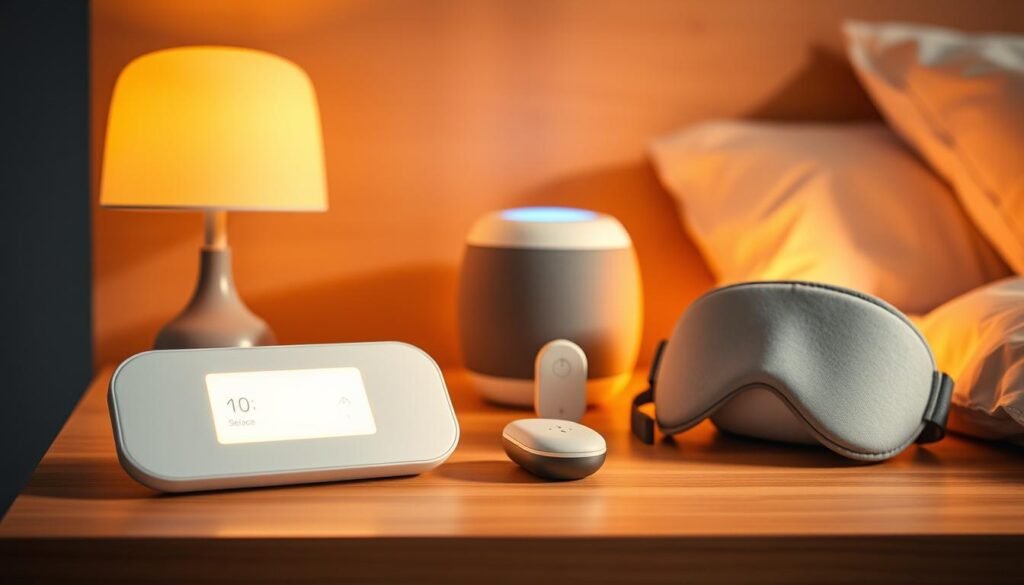
Sleep technology has changed how we view sleep. It lets us understand our sleep better. Now, we can use smart devices and apps to learn about our sleep and relax.
Sleep Tracking Devices
Sleep tracking technology gives detailed info on your sleep. It tracks important things like:
- Total sleep duration
- Sleep cycle stages
- Heart rate variations
- Breathing patterns
White Noise Machines
White noise machines create a steady sound that blocks out loud noises. They make sounds like:
- Ocean waves
- Rainfall
- Forest ambiance
- Soft static
Apps for Meditation and Relaxation
Meditation and relaxation apps guide you to calm down before bed. They help lower stress and get your body ready for sleep.
“Technology can be a powerful ally in achieving better sleep” – Sleep Research Institute
Adding these tech tools to your sleep routine can make your sleep better. It helps create a better sleep environment.
The Value of Professional Help
Dealing with insomnia can be really tough and tiring. Getting help from professionals can offer more than just home remedies. Sleep experts can teach you how to sleep deeply and find out what’s keeping you awake.

Dealing with sleep problems needs special knowledge. Knowing when to get help is key to solving long-term sleep issues.
When to Consult a Sleep Specialist
- Experiencing persistent sleep disruptions for more than three weeks
- Chronic daytime fatigue affecting work performance
- Suspected underlying medical conditions impacting sleep
- Ineffective response to previous insomnia solutions
Types of Sleep Studies Available
| Study Type | Purpose | Duration |
|---|---|---|
| Polysomnography | Comprehensive overnight sleep assessment | 6-8 hours |
| Home Sleep Test | Evaluate sleep patterns in natural environment | 1-2 nights |
| Actigraphy | Track movement and rest cycles | 5-7 days |
What to Expect During an Evaluation
A sleep evaluation is a detailed look at your sleep issues. Specialists will talk to you, check your medical history, and suggest sleep techniques just for you.
“Professional sleep assessments are not about finding fault, but discovering personalized solutions.” – Dr. Emily Roberts, Sleep Research Institute
Starting your journey to better sleep is all about understanding. Getting professional help can change your nights from bad to good, giving you the sleep solutions you’ve been looking for.
Exploring Alternative Therapies

Many people with insomnia look for natural ways to sleep better. They try alternative therapies that focus on relaxation and mind-body connection. These methods aim to calm the nervous system and improve sleep quality.
Acupuncture: Balancing Energy for Restful Sleep
Acupuncture is an ancient Chinese practice that might help with sleep issues. It involves inserting thin needles into certain body points. This is done to restore energy balance and promote relaxation.
Clinical studies suggest acupuncture can potentially reduce insomnia symptoms by regulating the body’s natural sleep-wake cycle.
Yoga and Mindfulness: Gentle Paths to Relaxation
Yoga and mindfulness are powerful tools for those struggling with sleep. They offer techniques to:
- Reduce mental stress
- Lower anxiety levels
- Prepare the body for sleep
- Improve overall sleep quality
Massage Therapy: Releasing Physical Tension
Massage therapy is another natural aid for sleep. It helps by releasing physical tension and promoting deep relaxation. Regular sessions can:
- Decrease muscle stiffness
- Reduce cortisol levels
- Stimulate serotonin production
- Enhance overall sleep experience
Always talk to healthcare professionals before starting any alternative therapy. This ensures it’s safe and works well with your current treatments.
Myths and Misconceptions About Insomnia
Sleep is complex, and myths about insomnia can stop people from getting better sleep. It’s important to know the truth about sleep myths to improve sleep hygiene.

Unraveling Common Sleep Myths
Many people believe in sleep myths that aren’t true. Let’s look at some of these myths:
- Myth: Everyone needs exactly 8 hours of sleep
How much sleep you need can vary. Some people do well with 6-7 hours, while others need 9 hours.
- Myth: Alcohol helps you sleep better
Alcohol might make you feel sleepy, but it hurts your sleep quality. It stops you from getting deep, restful sleep.
- Myth: You can “catch up” on sleep during weekends
Irregular sleep patterns can make sleep worse. They can cause long-term sleep problems.
Misunderstandings About Sleep Aids
“Not all sleep solutions are created equal. Understanding the right approach is key to improving sleep quality.” – Sleep Research Institute
Many people think sleep aids are a quick fix. But, natural and pharmaceutical sleep aids work differently for everyone. Here are some things to consider:
- Over-the-counter sleep medications are not long-term solutions
- Natural remedies need consistent use
- How you respond to sleep aids can vary a lot
Clarifying Insomnia Diagnosis
Diagnosing insomnia is not simple. Many things can cause sleep problems, like stress, medical issues, and lifestyle. Sleep specialists can give personalized advice to help you sleep better.
Long-Term Strategies for Managing Insomnia
Managing insomnia takes time, patience, and a long-term plan. It’s not about finding quick solutions but making lasting changes. These changes can help you control your sleep and feel better overall.
Keeping track of your sleep is key to understanding your habits. A sleep diary is a great tool for spotting patterns and tracking your progress. It helps you see how small changes can add up to better sleep.
Making small changes to your sleep schedule can make a big difference. Start with tiny steps like going to bed 15 minutes earlier each night. Having a supportive network can also help keep you motivated and on track.
Learning to manage insomnia is a journey. Every small step towards better sleep is a victory. Be patient, try new things, and celebrate each small win.