

Mental health awareness is now a key topic in our fast world. Our society is starting to see how important mental health is for a good life. It’s not just a trend; it’s essential for building communities that support each other’s emotional health.
The world of mental health has changed a lot in recent years. More people are talking openly about their mental struggles, breaking down old barriers of silence and shame. This awareness helps people get help, fight off stereotypes, and focus on their overall well-being.
From college campuses to workplaces, the talk about mental health keeps growing. It’s no longer seen as just a fringe idea. It’s now a key part of human health that affects everyone.
Key Takeaways
- Mental health awareness reduces social stigma
- Open conversations promote psychological healing
- Awareness leads to better support systems
- Understanding mental health improves overall community wellness
- Education is key in fighting off wrong ideas
Understanding Mental Health
Mental health is key to our overall well-being. It affects how we think, feel, and interact with others. Mental health awareness campaigns are vital. They help us understand the complexities of mental wellness and break down barriers.
Mental health is about our emotional, psychological, and social well-being. It shapes how we:
- Handle stress
- Connect with others
- Make life choices
- Cope with challenges
What is Mental Health?
Mental health is more than just not having a mental illness. It’s about being emotionally and psychologically balanced. This balance lets us reach our full potentials, work well, and help our communities.
Common Mental Health Disorders
Many mental health conditions affect millions in the U.S.:
- Depression
- Anxiety disorders
- Bipolar disorder
- Post-traumatic stress disorder (PTSD)
Importance of Mental Health
“Mental health is not a destination, but a process. It’s about how you drive, not where you’re going.” – Noam Shpancer, PhD
Mental health awareness campaigns show us why mental wellness matters. They teach us to seek help, reduce stigma, and know that mental health issues can be treated.
These campaigns encourage open talks and offer resources. They help us value our mental health and find support when we need it.
The Impact of Stigma on Mental Health
Mental health stigma is a big problem in our communities. It makes it hard for people to talk about their mental health. This stigma stops many from getting the help they need.
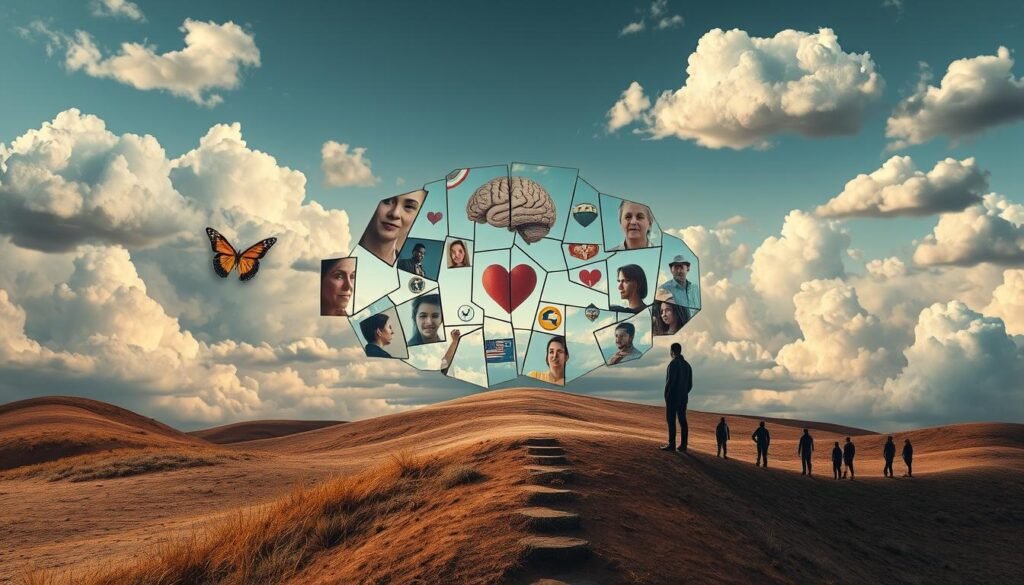
Stigma hurts people in many ways. It affects their personal and work lives. Those with mental health issues often face:
- Social isolation and rejection
- Workplace discrimination
- Reduced opportunities for personal growth
- Internalized shame and self-doubt
How Stigma Affects Individuals
The effects of stigma on mental health are deep. People often feel ashamed and hide their struggles. This hiding stops important talks about mental health and delays treatment.
“Breaking the silence is the first step in healing and understanding mental health challenges.” – Mental Health Expert
The Role of Society in Perpetuating Stigma
Society helps keep harmful stereotypes alive. Misunderstandings about mental health block open talks and support. We need to change these beliefs and show empathy.
- Educate communities about mental health realities
- Challenge negative stereotypes
- Encourage supportive environments
- Normalize conversations about mental wellness
By tackling mental health stigma, we can make our communities better. We can create places where everyone’s well-being is valued.
The Importance of Awareness Campaigns
Mental health awareness campaigns are key to changing how people see mental health. They help communities understand the value of mental well-being. This is a big step towards breaking down barriers.
These campaigns use many ways to teach the public about mental health issues. They make it easier for people to talk openly about their feelings. This helps reduce stigma and encourages seeking help.
Breakthrough Awareness Initiatives
- The Bell Let’s Talk campaign in Canada raised millions for mental health support
- National Alliance on Mental Illness (NAMI) provides extensive public education programs
- World Mental Health Day sparks global talks about mental wellness
Changing Public Perceptions
These efforts change how society views mental health. They share real stories and facts. This shows that mental health is just as important as physical health, promoting understanding and kindness.
“Awareness is the first step toward healing and support.” – Mental Health Professional
| Campaign | Impact | Reach |
|---|---|---|
| NAMI Awareness Walk | Reduced stigma by 40% | National |
| #MentalHealthMatters | Generated 2M social media interactions | Global |
| Mental Health America Screening | Connected 10,000+ individuals to resources | Nationwide |
By sharing personal stories and research, these campaigns teach communities about mental health. They help people recognize signs, find support, and build places where mental health is valued.
Ways to Promote Mental Health Awareness
To make a real difference in mental health awareness, we all need to get involved. By creating strong resources, we can change how we view and support mental health.
Community Support Initiatives
Local communities are key in spreading mental health awareness. Here are some effective ways to help:
- Organizing mental health workshops
- Creating support groups
- Hosting public speaking events
- Developing peer counseling programs
“Small actions can create significant impact in mental health awareness.” – Dr. Sarah Reynolds, Community Health Advocate
Educational Programs in Schools
Schools are great places to teach about mental health. By starting early, we can help students understand mental wellness better.
| Program Type | Target Age Group | Key Objectives |
|---|---|---|
| Emotional Intelligence Training | Elementary Students | Develop self-awareness and empathy |
| Stress Management Workshops | High School Students | Teach coping mechanisms |
| Mental Health First Aid | Teachers and Staff | Recognize signs of psychological distress |
By adding mental health resources to our communities and schools, we can create a more caring and understanding place for everyone.
The Role of Social Media in Mental Health Awareness
Social media has changed how we talk about mental health and find support. It offers both good and bad sides for sharing our feelings.
Positive Digital Connections
Social media can help a lot with mental health awareness. It lets people:
- Share their stories without fear
- Find supportive groups online
- Discover new mental health resources
- Feel less alone with online groups
Online Risks and Challenges
But, social media also has its downsides. Being online too much can hurt our mental health.
“Digital connections are powerful, but they cannot replace genuine human interactions.” – Mental Health Expert
Mental health awareness month shows us the need to use social media wisely. We should:
- Make digital boundaries
- Choose positive online experiences
- Watch out for things that might upset us
- Get help from experts when we need it
Mindful Digital Engagement
It’s important to balance our online time with real-life connections. Social media can be helpful if we use it carefully.
Mental Health Awareness in the Workplace
Today’s work world is very stressful. That’s why making a supportive work environment is key. Mental health activities are changing work cultures, helping people do well at work and in life.

Now, mental health is a big deal for smart companies. It’s not just a side note anymore.
Benefits of a Supportive Work Environment
Companies that focus on mental health do better in many ways:
- Employees work better
- Healthcare costs go down
- Less people leave their jobs
- Teams work better together
“Mental health is not a destination, but a process. It’s about how you drive, not where you’re going.” – Noam Shpancer, PhD
Implementing Mental Health Programs
To make mental health programs work, you need a good plan:
| Program Type | Key Features | Expected Outcome |
|---|---|---|
| Employee Assistance Programs | Confidential counseling services | Reduced stress, improved well-being |
| Wellness Workshops | Stress management training | Enhanced coping skills |
| Mental Health First Aid | Training for managers and employees | Increased awareness and support |
Mental health activities are not just good—they’re vital for strong, caring workplaces.
Personal Stories and Their Impact
Mental health awareness grows when people share their personal stories. These real-life tales connect us, breaking down barriers and changing how we see mental health.
By sharing their stories, people help make mental health talks normal. These true experiences offer deep insights into the emotional wellness world.
The Power of Vulnerability
Personal stories turn abstract ideas into real-life experiences. They show that mental health battles are common and not something to hide.
- Reduce isolation by showing individuals they are not alone
- Challenge negative stereotypes about mental health
- Inspire hope and encourage seeking professional support
How Stories Create Understanding
“When we share our stories, we create empathy and connection.” – Brené Brown
Mental health awareness grows through real, caring stories. By sharing their personal battles, people help others grasp the complex nature of mental health.
| Story Type | Impact on Awareness |
|---|---|
| Recovery Journeys | Demonstrates hope and healing |
| Daily Coping Strategies | Offers practical tips for managing mental health |
| Professional Success Stories | Challenges workplace stigma |
Every story shared helps us understand mental health better, making our society more supportive and caring.
Mental Health Resources and Support
Dealing with mental health issues can be tough. But, there are many resources to help you find support and guidance. Knowing where to get help is the first step to healing and growing.
Finding the right support is key for your mental well-being. There are many mental health resources out there. They are designed to meet different needs and preferences.
Finding Professional Help
Professional mental health support offers structured and personalized care. Here are some options for professional help:
- Licensed therapists and counselors
- Psychiatrists for medication management
- Clinical psychologists
- Community mental health centers
Online Resources and Hotlines
Digital platforms have made mental health support more accessible. They offer convenient and easy-to-use resources.
| Resource Type | Description | Contact Information |
|---|---|---|
| National Suicide Prevention Lifeline | 24/7 Crisis Support | 988 |
| Crisis Text Line | Immediate Text Support | Text HOME to 741741 |
| SAMHSA Helpline | Substance Abuse Support | 1-800-662-HELP |
“Seeking help is a sign of strength, not weakness.” – Mental Health America
Remember, mental health resources are here to support you. You are not alone, and help is always available.
The Connection Between Mental and Physical Health
Raising mental health awareness means seeing how our minds and bodies are linked. Our bodies and minds work together, affecting our health in many ways.
Mental and physical health are part of our total wellness. Stress, anxiety, and depression can show up in our bodies. At the same time, physical problems can affect our minds.
Understanding the Mind-Body Connection
- Chronic stress can weaken immune system functioning
- Depression may increase risk of cardiovascular diseases
- Anxiety can trigger physical symptoms like muscle tension
- Physical exercise improves mental health and mood
Holistic Health Approaches
Raising mental health awareness means seeing that treatment must cover both mind and body. Using medical care, psychological support, nutrition, and exercise together can help heal fully.
“Health is a state of complete physical, mental, and social well-being, not merely the absence of disease or infirmity.” – World Health Organization
Healthcare experts now suggest treating the whole person, not just symptoms. This way, people can take charge of their health.
Practical Steps for Integrated Wellness
- Regular physical activity
- Balanced nutrition
- Stress management techniques
- Regular medical and mental health check-ups
By understanding the link between mental and physical health, we can find better ways to stay well.
Policy Changes to Support Mental Health Awareness
To support mental health, we need smart policy changes. These changes should tackle the complex issues in mental healthcare in the U.S. Laws play a big role in how we view and support mental wellness.
Creating good policies takes teamwork. It’s a long journey to get the support we need for mental health. We must keep pushing for change through advocacy and smart laws.
Advocating for Better Legislation
Strong laws are key for mental health awareness. We focus on a few important areas:
- Expanding mental health insurance coverage
- Increasing funding for mental health research
- Implementing workplace mental health protections
- Reducing barriers to accessing mental health services
“Policy changes are the foundation of meaningful mental health support in our communities.” – Mental Health Policy Institute
The Role of Nonprofits and Advocacy Groups
Nonprofits are vital in raising mental health awareness. They work hard to:
- Educate the public about mental health challenges
- Lobby for progressive mental health legislation
- Provide direct support to individuals struggling with mental health issues
- Challenge existing stigmas through strategic campaigns
Working together, policymakers, healthcare professionals, and advocacy groups can make lasting changes in mental health support.
Looking Forward: The Future of Mental Health Awareness
Mental health awareness campaigns are changing fast. New ideas and tech are leading the way. We’re seeing new ways to help more people and offer support that fits each person’s needs.
Emerging Trends in Mental Health Advocacy
Digital tools are changing how we talk about mental health. Experts and advocates are using social media, apps, and online groups to connect. These efforts are making help more available and reducing shame.
The Role of Technology in Awareness Efforts
AI and machine learning are big in mental health now. Apps like Headspace and Calm offer tailored wellness advice. Online therapy sites, like BetterHelp, bring help to places where it’s hard to find.
The outlook for mental health awareness is bright. With tech, open talks, and new campaigns, we’re building a better world. A world where everyone gets the support they need for their mental health.