
Introduction
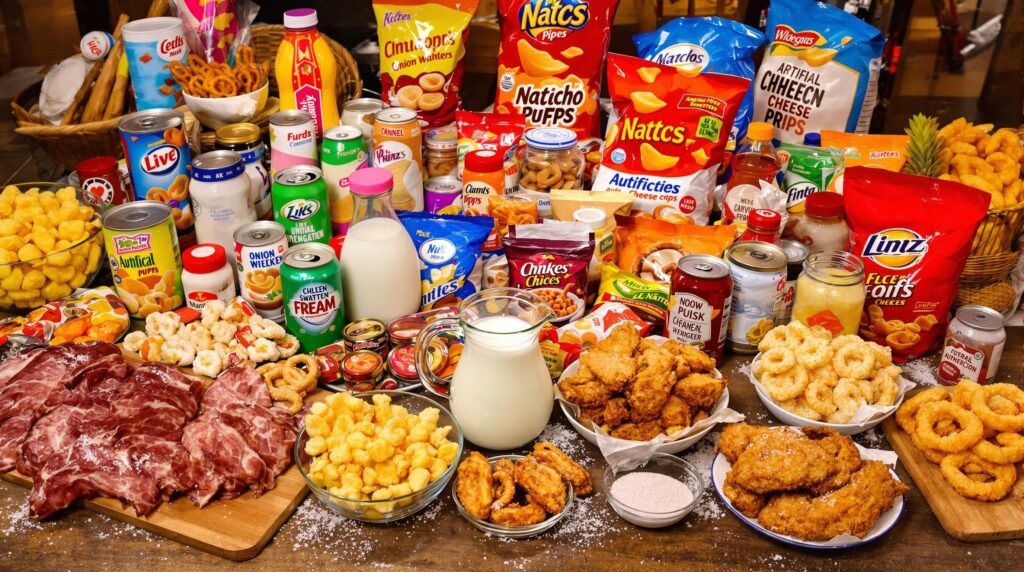
In our quest for health and wellness, we often hear about the foods that are great for us: fruits, vegetables, whole grains, and lean proteins. However, not all foods are created equal. Some foods, while tasty, can pose serious risks to our health if consumed too frequently or prepared incorrectly. This article will explore ten foods considered dangerous based on credible scientific evidence. So, whether you’re a health enthusiast or just curious about what’s on your plate, read on to learn more about these potential health threats and how to make better choices.
1. Processed Meats


Why They’re Dangerous
Processed meats, such as hot dogs, bacon, and sausages, are convenient and delicious. However, regular consumption of these meats has been linked to various health issues, particularly colorectal cancer. According to the World Health Organization (WHO), processed meats are classified as a Group 1 carcinogen, meaning there’s strong evidence that they can cause cancer.
Health Risks:
- Cancer Connection: Studies have shown that people who consume large amounts of processed meats have a higher risk of certain types of cancer. The preservatives used in these meats, like nitrates and nitrites, can form harmful compounds when cooked at high heat.
Expert Tip: If you love bacon or sausages, try to limit your intake and opt for fresh, unprocessed meats or plant-based alternatives whenever possible.
2. Sugary Drinks

Why They’re Dangerous
Sugary drinks, including soda, sweetened teas, and energy drinks, are some of the biggest contributors to poor health. They are loaded with sugar and offer little to no nutritional value.
Health Risks:
- Obesity and Diabetes: Consuming too many sugary beverages is associated with a higher risk of obesity, type 2 diabetes, and various dental problems. A single can of soda can contain around 10 teaspoons of sugar, which is more than the recommended daily limit for added sugars.
Low Nutritional Value:
- Sugary drinks provide empty calories. This means they give you energy without any vitamins or minerals, leading to weight gain and an imbalance in your diet.
Expert Tip: Instead of sugary drinks, try water, herbal teas, or infused water with fruits for a refreshing taste without the added calories.
3. Trans Fats
Why They’re Dangerous
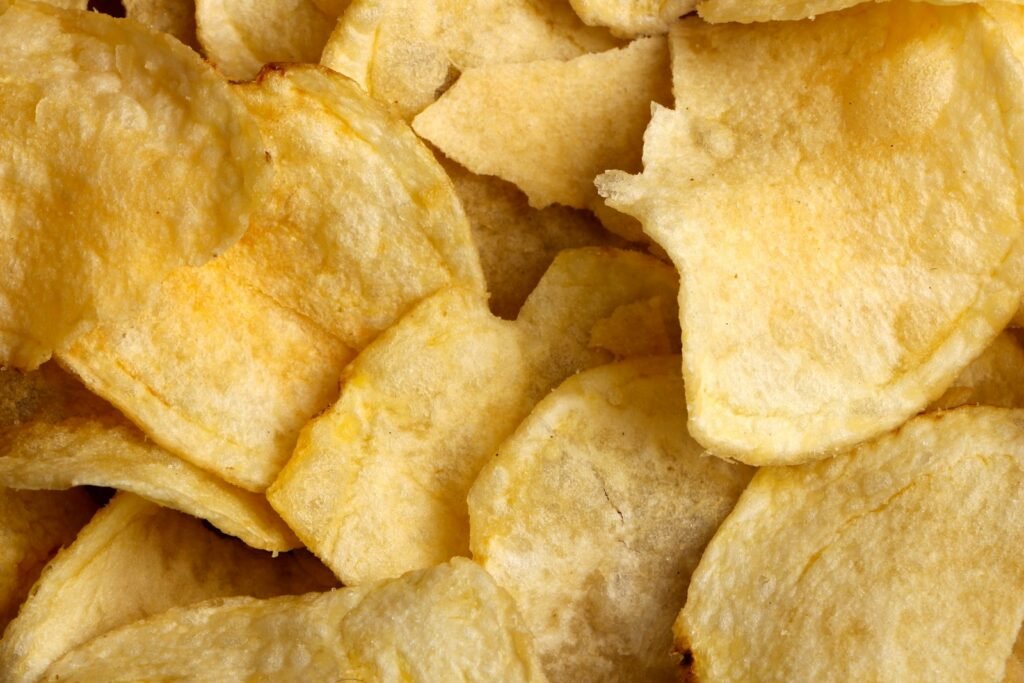
Trans fats are created through a process called hydrogenation, which turns liquid oils into solid fats. These fats are commonly found in processed foods, including baked goods, margarine, and snack foods.
Health Risks:
- Heart Issues: Trans fats are known to raise LDL (bad) cholesterol levels while lowering HDL (good) cholesterol levels. This imbalance significantly increases the risk of heart disease and stroke.
Sources of Trans Fats:
- Many fast-food restaurants and commercial baked goods still use trans fats because they help extend shelf life. However, many countries and cities have banned or restricted their use due to health concerns.
Expert Tip: Always read food labels to check for “partially hydrogenated oils,” which indicate the presence of trans fats, and try to avoid them as much as possible.
4. Refined Carbohydrates

Why They’re Dangerous
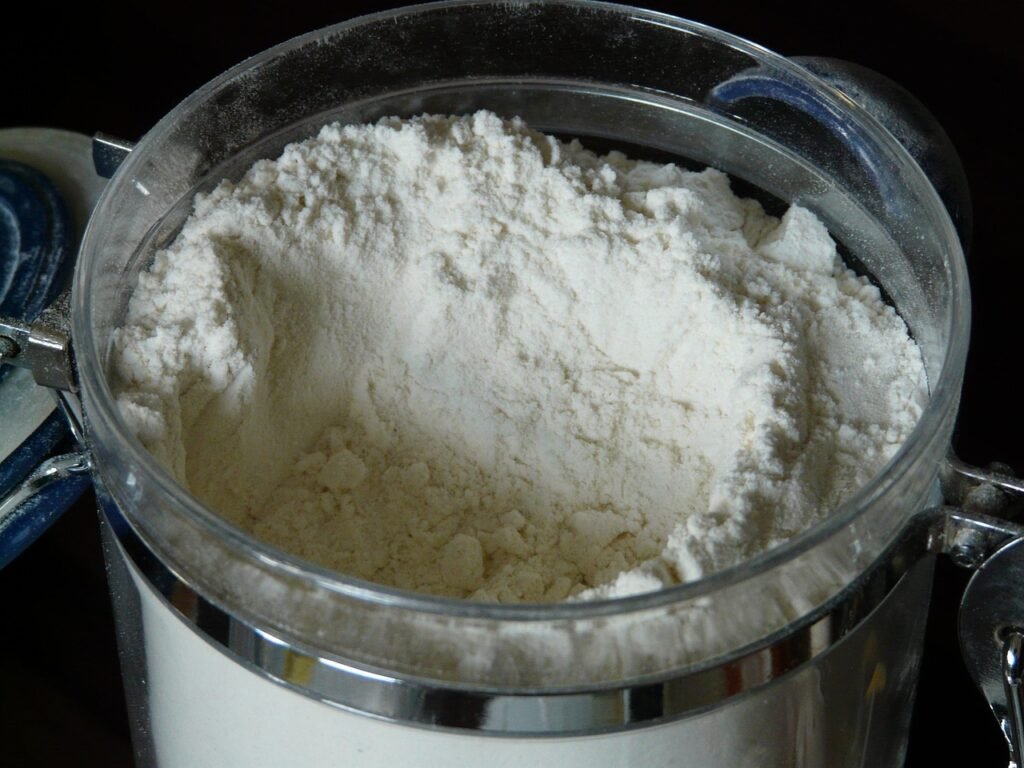
Refined carbohydrates are processed to remove the bran and germ from the grain, resulting in a loss of fiber and nutrients. Common examples include white bread, pastries, and many breakfast cereals.
Health Risks:
- Blood Sugar Spikes: Foods made from refined flour can cause quick spikes in blood sugar levels, putting you at risk for insulin resistance and increased chances of developing diabetes and metabolic syndrome.
- Nutrient Deficiencies: These foods often lack important nutrients and fiber, which are crucial for a healthy digestive system.
Expert Tip: Choose whole grains, such as whole wheat bread, brown rice, and quinoa, which provide more nutrients and keep you fuller for longer.
5. Artificial Sweeteners


Why They’re Dangerous
Artificial sweeteners, such as aspartame and sucralose, are often used as sugar substitutes in many “diet” or “sugar-free” products. While they can help reduce calorie intake, their long-term effects are still being researched.
Health Risks:
- Gut Health Concerns: Some studies suggest that artificial sweeteners may disrupt gut bacteria, which play a vital role in digestion and overall health. This disruption could potentially lead to metabolic issues.
Controversial Evidence:
- While these sweeteners are considered safe by regulatory agencies, their long-term health effects are still a hot topic in the nutritional science community.
Expert Tip: If you want to reduce sugar intake, consider using natural sweeteners like honey or maple syrup in moderation instead of relying on artificial ones.
6. Fried Foods

Why They’re Dangerous
Fried foods, including fries, fried chicken, and doughnuts, are often high in unhealthy fats and calories. While they taste delicious, they come with some health risks.
Health Risks:
- Weight Gain: Regularly consuming fried foods can lead to significant weight gain and increase the risk of heart disease.
- Acrylamide Production: Frying starchy foods like potatoes can produce acrylamide, a substance that has been linked to cancer in animal studies.
Expert Tip: If you love fried foods, try baking or air-frying as a healthier alternative that still gives you that crispy texture without the excess oil.
7. Processed Snack Foods


Why They’re Dangerous
Processed snack foods, such as chips, cookies, and crackers, are designed to be convenient and tasty but can be very harmful in large quantities.
Health Risks:
- High in Unhealthy Ingredients: Many processed snacks are loaded with salt, sugar, and unhealthy fats. Eating these snacks frequently can contribute to obesity and cardiovascular disease.
- Empty Calories: Most processed snacks offer little nutritional value. You might feel full temporarily, but you’re likely missing out on essential nutrients.
Expert Tip: Instead of reaching for chips, consider healthier snacks like fruits, nuts, or yogurt, which provide energy and nutrients without the harmful additives.
8. Raw or Undercooked Eggs


Why They’re Dangerous
Eggs are a common source of protein and essential nutrients, but consuming them raw or undercooked poses health risks.
Health Risks:
- Salmonella Risk: Raw or undercooked eggs can carry Salmonella bacteria, leading to serious gastrointestinal illness. Symptoms include diarrhea, fever, and abdominal cramps, which can be severe, especially in young children and older adults.
Proper Cooking:
- Cooking eggs thoroughly can eliminate this risk. Scrambled, poached, or hard-boiled eggs are all safe options.
Expert Tip: If you enjoy dishes that typically include raw eggs, like certain dressings or desserts, consider using pasteurized eggs for safety.
9. Unpasteurized Dairy Products


Why They’re Dangerous
While dairy can be a great source of calcium and other nutrients, unpasteurized dairy products pose significant health risks.
Health Risks:
- Bacterial Infection: Unpasteurized milk and cheese can harbor harmful bacteria like E. coli, Listeria, and Salmonella. These bacteria can lead to severe foodborne illnesses, especially in vulnerable populations.
Recommended Safety:
- Consuming pasteurized dairy protects against these pathogens while still providing most of the nutritional benefits of milk and cheese.
Expert Tip: Always choose pasteurized dairy products for safety. They’re widely available and just as nutritious!
10. High-Sodium Foods


Why They’re Dangerous
Sodium is essential for our bodies but consuming too much can lead to serious health problems.
Health Risks:
- Hypertension: Excessive sodium intake is strongly linked to high blood pressure, which can increase the risk of heart disease and stroke.
Common Sources:
- Many processed and restaurant foods are notoriously high in sodium. Items like frozen dinners, canned soups, and fast food meals can easily put you over the daily recommended limit.
Expert Tip: When cooking, try to use herbs and spices to flavor your meals instead of salt. Read food labels to monitor your sodium intake!
Conclusion
While it can be tempting to indulge in these dangerous foods, awareness is key. Understanding their potential health risks empowers you to make better food choices that promote overall well-being. The ten foods we’ve discussed have scientific backing regarding their negative effects when overconsumed or improperly prepared.
By embracing moderation and making informed dietary choices, you can navigate the world of food more effectively and lead a healthier lifestyle.
Tips for Healthier Eating
- Read Labels: Always check ingredient lists and nutrition facts to avoid products with high levels of sugar, salt, and unhealthy fats.
- Choose Whole Foods: Prioritize whole grains, fruits, and vegetables, which provide necessary nutrients without added chemicals.
- Cooking Methods Matter: Favor healthy cooking methods like baking, steaming, or grilling instead of frying to reduce harmful compounds.
- Practice Portion Control: Be mindful of portion sizes when consuming snacks or heavier foods to help maintain a balanced diet.
- Stay Informed: Keep educating yourself about nutrition. The more you know, the better choices you can make for your health.
By focusing on healthier foods and understanding which ones to limit or avoid, you can create a balanced and nourishing diet that supports long-term health. Remember, the goal is not just to avoid dangerous foods but to cultivate a lifestyle that promotes wellness and vitality.