
In the world of healthcare, myths and misconceptions often stick around, even with scientific proof. It’s important to know the difference between what’s true and what’s not. This article will clear up ten common health myths, helping you make better choices for your health.
Key Takeaways
- Many widely-held health beliefs are not supported by scientific research.
- Understanding the truth behind these myths can help you make more informed decisions about your health.
- Distinguishing fact from fiction is essential for maintaining a healthy lifestyle.
- Relying on reputable sources and evidence-based information is key to avoiding the pitfalls of medical misinformation.
- Staying informed and critical about health-related claims can empower you to take control of your well-being.
Health Myths That Persist Despite Scientific Evidence
Many pseudoscientific claims, wellness fallacies, and health hoaxes still circulate, despite evidence against them. It’s important to know why these health myths keep spreading. This helps us fight against medical misinformation.
Why Medical Misinformation Spreads
People often look for information that confirms what they already believe. This is called confirmation bias. It makes them choose content that fits their views, even if it’s not scientifically proven.
The promise of quick fixes for health problems also draws people in. Wellness fallacies seem appealing when dealing with the hard work of staying healthy or managing long-term illnesses.
The Role of Social Media in Health Misconceptions
Social media makes health myths spread fast. Algorithms favor sensational content, which can be false. This means wellness fallacies and pseudoscientific claims get shared a lot, even when they’re not true.

To stop health hoaxes from spreading, we need to educate and encourage critical thinking. We should also promote health information that’s backed by science. By understanding why misinformation spreads, we can make the public healthier and more informed.
The “Feed a Cold, Starve a Fever” Misconception
The saying “feed a cold, starve a fever” is a unproven remedy and alternative medicine myth that still exists. It claims we need different diets for colds and fevers. But, the truth is not as simple.
Good nutrition helps the body fight off any sickness, whether it’s a cold or a fever. When we’re sick, our body needs more energy and nutrients to heal. Starving, as the myth says, can actually slow down our recovery.
“The idea that you should starve a fever is completely unfounded. Proper nutrition is crucial for the body to effectively combat any illness, regardless of the specific symptoms.”
Research shows that eating well and staying hydrated can make symptoms less severe and shorten the illness. Not getting enough nutrients weakens our immune system, makes us sicker for longer, and raises the risk of serious problems.
- Colds and fevers need the same diet: focus on whole, nutrient-rich foods.
- Drinking plenty of water is key, as it helps thin mucus and aids in detox.
- Vitamins and minerals like vitamin C, zinc, and elderberry can boost our immune system when we’re sick.
It’s time to debunk the “feed a cold, starve a fever” myth. Eating a balanced diet is the best way to support our body’s defenses and help us get better fast, no matter the illness.

Sugar Makes Children Hyperactive: Fact or Fiction?
Many believe sugar makes kids hyperactive. But science has proven this is a myth. The real effect of sugar on kids is more complex than we think.
Understanding Sugar’s Real Impact on Behavior
Sugar might give kids a quick energy boost. But it doesn’t lead to lasting hyperactivity or bad behavior. The excitement of getting sweets often causes the energy spike, not the sugar itself.
Scientific Studies on Sugar and Children
Many studies have looked into sugar and kids’ behavior. A 2019 review of over 20 studies found no link between sugar and bad behavior. This includes even when kids eat a lot of it.
Other things like what parents expect, food dyes, and how kids react can affect behavior more than sugar. Knowing this helps parents make better choices and avoid myths.

Cracking Knuckles Causes Arthritis: The Truth Revealed
Many believe that cracking knuckles leads to arthritis. The sound of knuckles popping can be unsettling. But, the science tells a different story. Let’s explore the truth behind this common misconception and uncover the real impact of this habit on joint health.
The cracking or popping sound associated with knuckle cracking is caused by the release of gas bubbles within the fluid-filled spaces of the joints. This process, known as cavitation, does not actually cause any damage to the joints or increase the risk of developing arthritis.
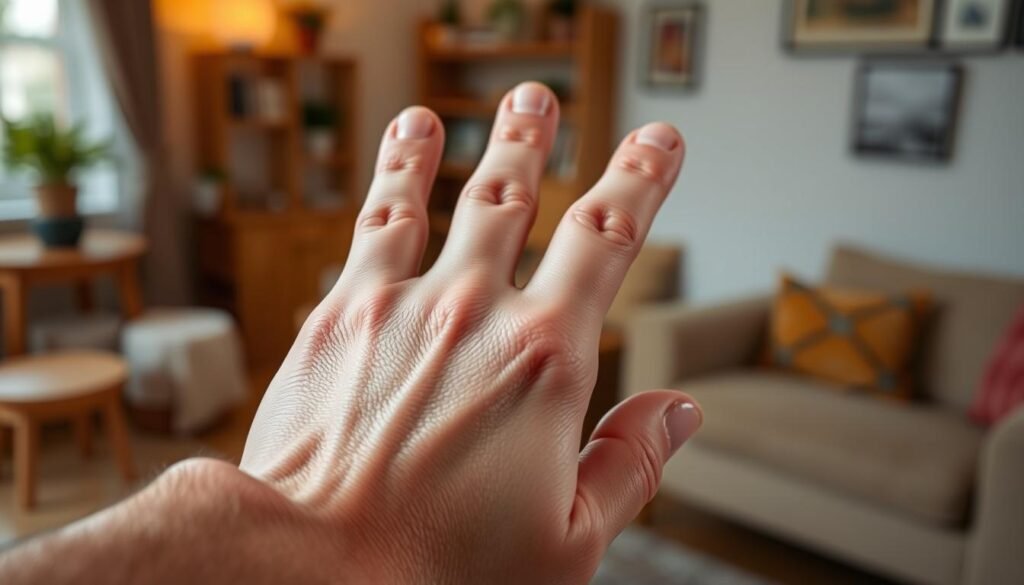
In fact, numerous studies have shown that there is no link between knuckle cracking and the development of arthritis. The habit may even have some benefits, as it can temporarily increase the range of motion and flexibility in the joints.
While the long-term effects of knuckle cracking are minimal, it’s important to note that excessive or forceful cracking could potentially lead to minor injuries or inflammation. However, the risk of developing arthritis specifically from this habit is extremely low.
“Cracking knuckles is more of an annoyance to others than a health concern for the person doing it.”
So, the next time you hear someone warning against the dangers of cracking knuckles, you can confidently reassure them that this common health myth is simply not supported by scientific evidence. The sound may be unsettling, but the habit itself is unlikely to have any significant impact on your joint health.
The “Wait 30 Minutes After Eating to Swim” Rule
The idea that you should wait 30 minutes after eating to swim is a common myth. It has been around for years but lacks scientific backing.
Understanding Digestion and Physical Activity
When you eat, your body sends blood to your stomach to digest food. This doesn’t stop you from swimming. In fact, swimming can help with digestion.
Real Swimming Safety Considerations
The “30-minute rule” is just a myth. But, there are real safety tips for swimming after eating. Avoid hard swimming for 1-2 hours after a big meal to avoid cramps.
Swimming too soon after eating can also make you vomit. This is risky in the water. It’s better to swim gently after a snack, but wait longer after a big meal.
| Recommendation | Explanation |
|---|---|
| Wait 1-2 hours after a large meal | Allows for proper digestion and reduces the risk of cramps or discomfort during physical activity |
| Light snack before swimming | Provides energy for your workout without overburdening the digestive system |
| Listen to your body | Pay attention to how you feel and adjust your activity level accordingly |
Knowing the real safety tips for swimming lets you enjoy the water. You don’t have to worry about old myths and health hoaxes.
Reading in Low Light Damages Your Eyes
Many believe reading in dim light can harm your eyes. But this is just a myth that has been around for years. The truth is, our eyes can adjust to different light levels without any harm.
The myth likely comes from not understanding how our eyes work. When it’s dark, our pupils get bigger to let in more light. This change happens naturally and doesn’t hurt our eyes.
Reading in low light might make your eyes feel tired or uncomfortable for a while. But it won’t cause permanent damage or vision loss. Eye strain usually comes from staring too long at close-up things and not taking breaks, not from the light.
- The eye can adapt to different lighting levels without suffering permanent harm.
- Low light reading may cause temporary eye strain, but it doesn’t damage the eyes.
- The real cause of eye strain is often due to close-up work and lack of breaks, not the lighting conditions.
So, you can enjoy reading in a dim room without worrying about your eyes. Just make sure to take breaks and let your eyes rest and refocus.

“The eye is remarkably adaptable and can function well in a wide range of lighting conditions.”
All Natural Remedies Are Safe and Effective
In healthcare, many think all natural remedies are safe and work well. But, it’s key to know the difference between natural and synthetic medicines. Also, natural supplements can have risks.
Understanding Natural vs. Synthetic Medicines
Natural medicines, like herbal remedies and dietary supplements, seem safer than synthetic ones. But, being natural doesn’t mean they’re risk-free. Many natural substances can react with other medicines or cause side effects, especially in large doses or without a doctor’s watch.
Potential Risks of Natural Supplements
- Lack of regulation: Unlike pharmaceutical drugs, natural supplements don’t go through the same strict testing and approval. This makes it hard to ensure they’re safe and of good quality.
- Contamination and adulteration: Some natural supplements have hidden, harmful ingredients.
- Interactions with medications: Natural supplements can also interact with prescription drugs. This can lead to bad reactions or make the medicine less effective.
- Insufficient scientific evidence: Many natural remedies don’t have strong scientific studies backing their benefits. This makes it hard to know if they really work.
It’s important to be careful with alternative medicine myths and unproven remedies. Always talk to a healthcare professional before adding new supplements or treatments to your routine.

“The assumption that natural is always safe can be a dangerous one. It’s important to thoroughly research and understand the potential risks and benefits of any natural or alternative treatment.”
Conclusion
In this article, we’ve looked at common health myths that still exist. We’ve talked about things like “feed a cold, starve a fever” and how sugar doesn’t really make kids hyper. We’ve shown how important it is to trust facts over myths.
Medical misinformation can spread fast, especially on social media. It’s key to be careful with health info and check its sources. Talking to real doctors helps us make smart choices for our health.
The fight against health myths and misinformation never stops. By staying alert and informed, we can choose better for our health. Remember, knowing the truth can clear up even the oldest myths.