What Your Legs Could Be Telling You About Your Heart Health

Decoding the Clues Hidden in Your Limbs for a Healthier Heart

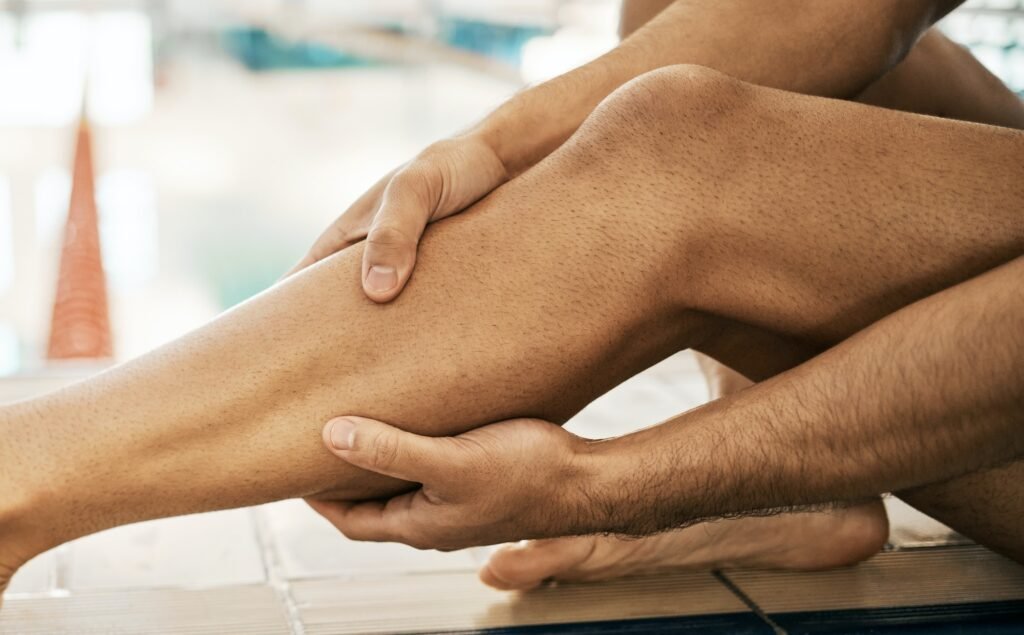
Legs injury, swimming and sports person massage calf problem from exercise, training or workout cri

Legs injury, swimming and sports person massage calf problem from exercise, training or workout cri

Our bodies often send us signals when something isn’t quite right. These signals can be subtle, like a whispered warning, or as clear as day. When it comes to heart health, one area to pay close attention to is your legs. Yes, those sturdy pillars that carry you through life might be telling you more than you think about the state of your heart.

The Circulatory Connection

To understand how your legs are connected to your heart health, you need to know a bit about circulation. The circulatory system is like your body’s highway, delivering oxygen and nutrients to every cell and removing waste. At the centre of this system is your heart, the powerful pump that keeps everything flowing smoothly.

When your heart is healthy, it efficiently pumps blood through your arteries to deliver oxygen-rich blood to your tissues and organs, including your legs. However, when your heart is struggling, it can affect this process, leading to symptoms in your legs that shouldn’t be ignored

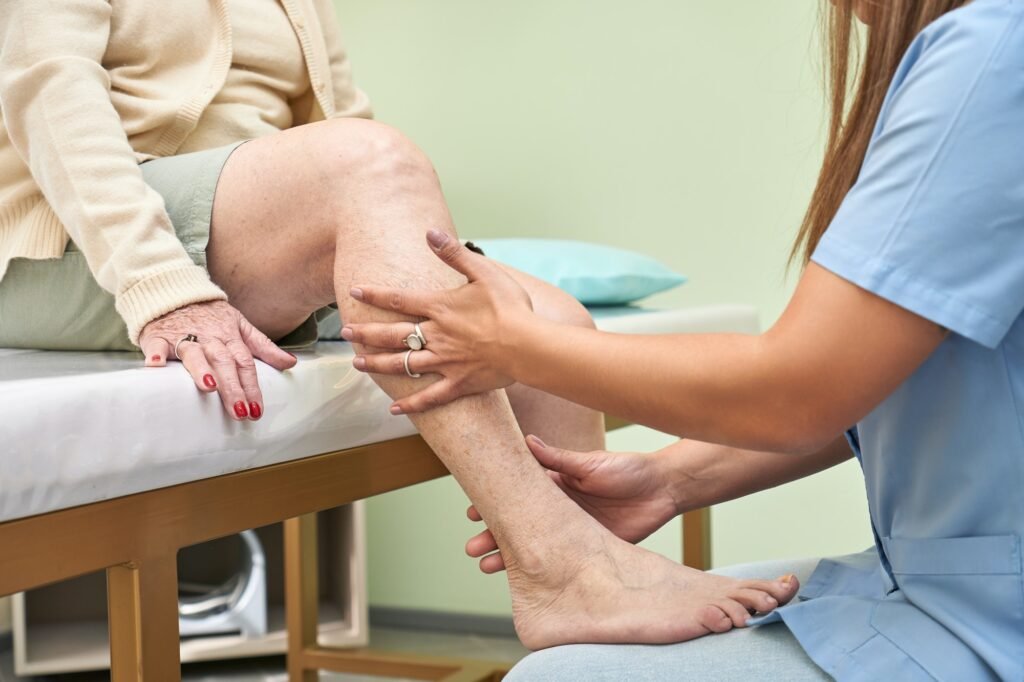
Doctor examining the legs of a old woman

Listen to the whispers of your legs, for they may hold the secrets to your heart’s well-being.

The Warning Signs

So, what should you be on the lookout for when it comes to your legs and heart health? Here are some common warning signs:
1. Leg Pain: If you experience pain in your legs, especially when walking or exercising, it could be a sign of peripheral artery disease (PAD). PAD occurs when fatty deposits build up in the arteries of your legs, reducing blood flow. The pain, known as claudication, typically goes away with rest but returns with activity.

2. Swelling: Edema, or swelling in the legs and ankles, can result from poor circulation. When your heart isn’t pumping effectively, blood can pool in your lower extremities, leading to swelling. This can also be a sign of heart failure.

3. Discoloration: Changes in the color of your legs, such as paleness or blueness, can indicate circulation problems. When blood flow is compromised, your skin may not receive enough oxygen, leading to these color changes.

4. Sores That Won’t Heal: If you notice sores or ulcers on your legs or feet that are slow to heal, it may be a sign of poor circulation. Insufficient blood flow can hinder the body’s natural healing processes.

5. Cold Feet: Chronic coldness in your feet, even in warm conditions, can be linked to circulation issues. Your heart may not be delivering warm blood efficiently to your extremities.

6. Numbness or Tingling: When circulation is compromised, you may experience sensations like numbness, tingling, or a pins-and-needles feeling in your legs. This is often associated with conditions like PAD.

7. Weakness: If your legs suddenly feel weak or you struggle to maintain your balance, it could be related to circulation problems. Insufficient blood flow can affect muscle function.

8. Varicose Veins: While varicose veins are typically a cosmetic concern, they can also be a sign of venous insufficiency. This condition can lead to leg discomfort and, in severe cases, skin changes and ulcers.

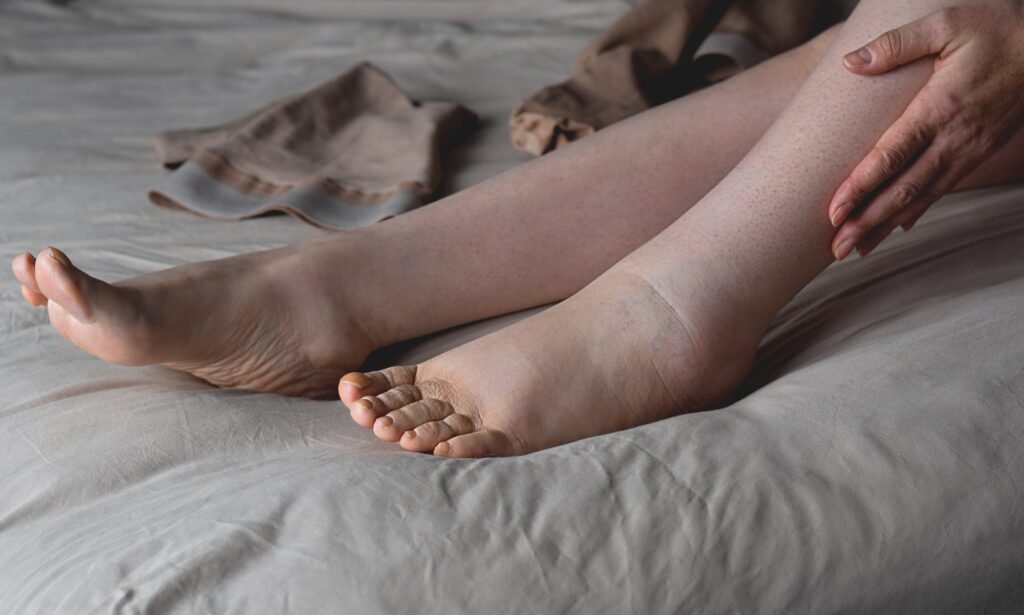
Female legs and feet with lymphedema condition

The Culprits

Several heart-related issues can lead to leg symptoms. Here are some of the most common culprits:

1. Peripheral Artery Disease (PAD): As mentioned earlier, PAD occurs when the arteries in your legs become narrowed or blocked due to the buildup of fatty deposits. This can lead to leg pain and cramping.

2. Deep Vein Thrombosis (DVT): DVT is a blood clot that forms in a deep vein, often in the leg. If a clot breaks free and travels to the lungs, it can become life-threatening. Symptoms of DVT can include leg pain, swelling, warmth, and redness.

3. Heart Failure: Heart failure doesn’t mean your heart has stopped working, but rather that it’s not pumping as effectively as it should. This can lead to fluid retention, which can cause leg swelling and discomfort.

4. Venous Insufficiency: This condition occurs when the veins in your legs struggle to return blood to your heart. It can result in varicose veins, leg swelling, and skin changes.

5. Atherosclerosis: This is a condition where fatty deposits (plaques) build up in your arteries, including those in your legs. It can reduce blood flow, causing leg pain and cramping.

6. Diabetes: High blood sugar levels associated with diabetes can damage blood vessels and nerves in your legs. This can lead to peripheral neuropathy, a condition characterized by numbness, tingling, and weakness.

7. Blood Clots: Clots can form in the leg veins (DVT) or travel from elsewhere in the body to the legs. These clots can obstruct blood flow and cause a range of symptoms.

When to Seek Help?

If you experience any of the warning signs mentioned above, it’s crucial not to ignore them. These symptoms can indicate serious underlying issues with your heart or circulation. Prompt medical attention is essential for a proper diagnosis and treatment plan.

Your healthcare provider may recommend various tests, such as blood pressure measurement, Doppler ultrasound, CT angiography, or echocardiography, to assess your heart and circulatory health. Treatment options may include lifestyle changes, medications, minimally invasive procedures, or surgery, depending on the underlying cause of your symptoms.

Maintaining Heart and Leg Health

Prevention is often the best medicine. To keep your heart and legs in good shape:

1. Stay Active: Regular physical activity helps maintain healthy circulation. Aim for at least 150 minutes of moderate-intensity exercise per week.

2. Eat a Heart-Healthy Diet: Consume a diet rich in fruits, vegetables, whole grains, lean protein, and healthy fats to support heart health.

3. Control Your Blood Pressure and Cholesterol: High blood pressure and cholesterol are risk factors for heart disease and circulation problems. Manage them through lifestyle changes and, if necessary, medication.

4. Manage Diabetes: If you have diabetes, work closely with your healthcare team to keep your blood sugar levels in check.

5. Don’t Smoke: Smoking damages blood vessels and is a significant risk factor for heart disease and circulatory issues.

6. Maintain a Healthy Weight: Excess weight can strain both your heart and your legs. Aim for a healthy weight through a balanced diet and regular exercise.

7. Elevate Your Legs: If you experience leg swelling, elevating your legs above heart level when resting can help reduce fluid buildup.

8. Compression Stockings: If recommended by your healthcare provider, wearing compression stockings can improve circulation in your legs.

Remember, your legs are not just for walking; they are a vital part of your circulatory system and can provide valuable insights into your heart health. Listen to what they’re telling you, and don’t hesitate to seek medical advice if you notice any unusual symptoms. It’s your body’s way of asking for help, and by heeding these warnings, you can take steps to protect your heart and overall well-being.

Conclusion

Your legs serve as more than just limbs to get you from point A to point B. They are a crucial part of your circulatory system, and any signs of discomfort or distress in your legs can be indicative of underlying heart and circulatory issues. Pay attention to these signals and seek medical attention when needed. By doing so, you can take proactive steps to safeguard your heart health and overall well-being.

Exit mobile version