

Did you know 77% of Americans often feel physical symptoms from stress? This shows how important it is to manage stress in our busy lives. Stress is a big problem that affects many people’s health every day.
Dealing with daily stress can feel too much, but there’s a way out. Our stress relief strategies are here to help you take back control. They can help you feel less anxious and find peace. These methods work for anyone, whether you’re busy at work, studying, or feeling stressed all the time.
Managing stress isn’t just about getting by. It’s about living well. By using the right stress relief strategies, you can live a more balanced life. This supports your health and happiness.
Key Takeaways
- Stress impacts nearly 80% of Americans physically and mentally
- Effective stress management can significantly improve quality of life
- Everyone can learn practical techniques to reduce anxiety
- Holistic approaches address both mental and physical stress
- Small, consistent changes lead to substantial stress reduction
Understanding Stress and Its Effects
Stress is a complex response that affects almost everyone. It’s important to understand stress to find ways to cope and manage it. This helps keep our well-being in check.

What Is Stress?
Stress is our body’s natural way to react to challenges or threats. When we face tough situations, our body releases hormones like cortisol and adrenaline. This prepares us to act fast in dangerous situations.
“Stress is not what happens to you, but how you react to it.” – Hans Selye
Recognizing Signs of Stress
It’s key to know the signs of stress to manage it well. Common signs include:
- Persistent headaches
- Muscle tension
- Sleep disruptions
- Emotional irritability
- Difficulty concentrating
The Impact of Chronic Stress
Long-term stress can harm our health. It can lead to serious issues like:
| Physical Effects | Mental Effects |
|---|---|
| High blood pressure | Anxiety disorders |
| Weakened immune system | Depression |
| Heart disease risk | Cognitive impairment |
Spotting and tackling stress early can stop these serious health problems. Using the right stress management tools can help avoid these issues. It can also make our lives better.
The Importance of Stress Management
Stress management is key to staying healthy and feeling good. Learning how to reduce stress can change how we face daily problems.
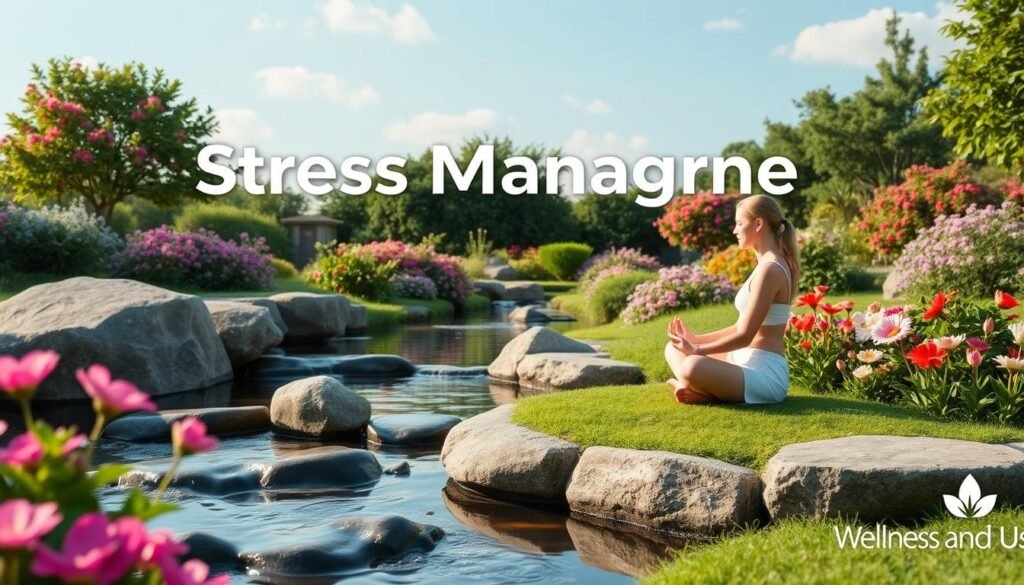
Managing stress is more than just feeling better. It’s a way to keep our minds and bodies healthy.
Benefits for Mental Health
Using stress control techniques can really boost our mental health. Too much stress can cause big problems like:
- Less anxiety and depression
- Better control over our emotions
- Improved thinking skills
- Stronger mental toughness
“Your mental health is a priority. Stress management is not a luxury, but a necessity.” – Dr. Elizabeth Roberts, Psychologist
Enhanced Physical Well-being
Stress tips aren’t just for our minds. They also help our bodies in many ways.
| Stress Management Benefit | Physical Impact |
|---|---|
| Lower Cortisol Levels | Less inflammation |
| Improved Sleep Quality | Stronger immune system |
| Balanced Nervous System | Healthy blood pressure |
| Reduced Muscle Tension | Less chance of chronic pain |
By focusing on stress management, we can build a strong defense for our mental and physical health.
Mindfulness and Meditation Techniques
Stress can take over our lives, but mindfulness offers strong tools to take back control and find peace. Meditation and relaxation techniques are like a safe haven from life’s constant stress. They help us reconnect with our inner calm.

Exploring mindfulness isn’t about being perfect. It’s about finding moments of real presence and awareness. These practices can change how we deal with stress, giving us practical ways to handle tough emotions.
Guided Meditation Practices
Guided meditation is a great way to start managing stress. Beginners can benefit from structured approaches that help quiet mental chatter. Here are some effective techniques:
- Body scan meditation
- Visualization practices
- Loving-kindness meditation
- Mindful awareness exercises
“Peace comes from within. Do not seek it without.” – Buddha
Breathing Exercises for Instant Calm
Relaxation techniques focused on breathing can give you instant stress relief. These simple yet powerful methods help activate the body’s natural relaxation response:
- 4-7-8 Breathing Technique
- Diaphragmatic breathing
- Box breathing method
- Alternate nostril breathing
Adding these mindfulness practices for stress to your daily routine can greatly reduce anxiety and improve emotional well-being. Start with short, manageable sessions and gradually expand your practice.
Physical Activities to Combat Stress
Stress management exercises are key to keeping your mind and body healthy. Physical activity is a great way to lower stress and boost health. Regular exercise changes how your body handles stress, making you more resilient and calm.

There are many physical activities that help with stress. Each one offers unique ways to manage anxiety and find peace. Let’s look at some effective ways to fight stress through movement.
Yoga: A Holistic Stress Management Approach
Yoga mixes physical movement with deep breathing. It can lower cortisol levels and clear your mind. It offers many benefits, including:
- Improved flexibility and strength
- Enhanced mental focus
- Reduced muscle tension
- Better emotional regulation
Walking: Simple Yet Effective Stress Relief
Walking is a simple way to reduce stress. It needs no special gear. Just 30 minutes a day can:
- Lower stress hormones
- Boost endorphin production
- Improve cardiovascular health
- Enhance mood and mental well-being
Strength Training for Stress Reduction
Strength training helps build physical and mental strength. It’s a great way to manage stress.
| Exercise Type | Stress Relief Impact | Recommended Frequency |
|---|---|---|
| Weight Lifting | Releases tension, boosts confidence | 2-3 times per week |
| Bodyweight Exercises | Improves mental focus, reduces anxiety | 3-4 times per week |
| Resistance Band Workouts | Low-impact stress management | 2-3 times per week |
“Movement is a powerful medicine for the mind and body.” – Anonymous Fitness Expert
Adding these exercises to your routine helps manage stress. It’s a great way to improve your overall well-being.
Developing a Healthy Sleep Routine
Sleep is key to managing stress. It’s not just about how long we sleep. It’s also about creating a sleep space that helps our mind and body heal.

Understanding how sleep affects us is the first step in reducing stress. Not getting enough sleep can make us feel more stressed and tired.
Importance of Sleep in Stress Management
Sleep acts like a reset button for our brain and body. It helps us deal with emotions and stress better.
- Reduces cortisol levels
- Enhances emotional resilience
- Improves cognitive function
- Supports immune system recovery
“Sleep is the golden chain that binds health and our bodies together.” – Thomas Dekker
Tips for Better Sleep Hygiene
To manage stress through better sleep, we need to make some changes. A regular bedtime routine can make a big difference in how well we sleep.
- Maintain a consistent sleep schedule
- Create a relaxing bedtime environment
- Limit screen time before bed
- Practice relaxation techniques
- Avoid caffeine late in the day
Consistent sleep patterns are key to handling daily stress and keeping our minds healthy.
Nutrition and Stress Management
Nutrition is key in managing stress and keeping our minds healthy. What we eat affects how our body handles stress and our mood. Knowing how diet impacts stress coping can change how we care for our mental health.
Foods That Help Reduce Stress
Some nutrients are great at fighting stress. Adding these foods to your diet can help manage stress:
- Dark chocolate: Reduces cortisol levels
- Fatty fish: Rich in omega-3 fatty acids
- Berries: High in antioxidants
- Green leafy vegetables: Magnesium-rich stress reducers
- Nuts: Provide essential stress-fighting minerals
“Let food be thy medicine and medicine be thy food” – Hippocrates
Hydration and Mental Clarity
Drinking enough water is also important for managing stress. Not drinking enough can raise cortisol levels and hurt our thinking skills.
| Hydration Level | Stress Impact | Recommended Intake |
|---|---|---|
| Optimal | Reduced stress response | 8-10 glasses per day |
| Mild Dehydration | Increased anxiety | Immediate water intake |
| Severe Dehydration | High cortisol levels | Medical attention |
Pro tip: Start your day with a glass of water and keep a water bottle nearby to maintain consistent hydration throughout the day.
Time Management Strategies
Learning to manage time is key to reducing stress at work and in life. Good time management lets you control your day and feel less overwhelmed. This helps lower stress levels.
Professionals who succeed know the power of managing tasks well. They use specific strategies to boost their productivity and happiness.
Prioritizing Tasks Effectively
Sorting tasks by importance is a smart way to handle your work and life. Here are some tips:
- Use the Eisenhower Matrix to sort tasks
- Distinguish between urgent and important tasks
- Make lists for the day and week
- Set realistic times for each task
The Pomodoro Technique
The Pomodoro Technique is a well-known way to manage time. It divides work into short, focused periods. This method keeps you focused and avoids burnout.
| Technique Step | Duration | Purpose |
|---|---|---|
| Work Interval | 25 minutes | Focused work session |
| Short Break | 5 minutes | Mental reset |
| Long Break | 15-30 minutes | Extended recovery |
“Time management is life management. Protect your time, and you protect your future.” – Robin Sharma
Using these strategies can make your daily tasks more manageable. This leads to less stress and more success in your life.
Building a Supportive Social Network
Having a strong support system makes dealing with stress much easier. Social connections are key to managing emotional challenges and boosting mental health.
Strong relationships help us handle life’s pressures better. Understanding the power of social connections changes how we tackle stress and build emotional strength.
Importance of Relationships
Meaningful relationships offer many benefits for stress management:
- Emotional validation and understanding
- Practical support during tough times
- Reduced feelings of isolation
- Enhanced mental health resilience
“Connection is why we’re here. It gives purpose and meaning to our lives.” – Brené Brown
Ways to Connect with Others
Building a supportive network takes effort and different approaches to stress relief:
- Join community groups or clubs
- Attend local workshops or classes
- Volunteer for meaningful causes
- Utilize online support communities
| Connection Method | Stress Reduction Potencial |
|---|---|
| Regular friend meetups | High |
| Professional networking | Medium |
| Online support groups | Medium-High |
| Family gatherings | High |
By working on building supportive relationships, we can create a strong network. This network offers emotional support and practical tips for reducing stress.
Cognitive Behavioral Techniques
Stress management needs us to understand our mental patterns well. Cognitive behavioral methods offer strong tools for changing how we see and deal with tough times. By changing negative thoughts and handling emotions well, we can grow stronger against everyday stress.
Reframing Negative Thoughts
Mindfulness starts with spotting and fighting bad thought patterns. The cognitive restructuring process has a few main steps:
- Identify negative thought triggers
- Question the validity of negative assumptions
- Replace negative thoughts with realistic, balanced perspectives
- Practice self-compassion
“Your thoughts are not facts, they are just thoughts. You have the power to change them.” – Mental Health Expert
Journaling to Process Emotions
Journaling is a great way to manage stress. It lets us share our feelings and thoughts outside of our heads, helping us understand better.
| Journaling Approach | Emotional Benefit |
|---|---|
| Stream of Consciousness Writing | Releases bottled-up emotions |
| Gratitude Journaling | Shifts focus to positive experiences |
| Reflection Journaling | Promotes self-understanding |
Using these cognitive behavioral methods helps us handle stress better. Regular use boosts emotional smarts and lessens the effects of long-term stress.
Professional Help and Resources
Dealing with stress can be tough, and sometimes you need expert help. While many find their own ways to cope, others need more support for their mental health.
When to Seek Therapy
Knowing when to get help is key to managing stress well. You might need therapy if you:
- Feel anxious all the time and it stops you from doing daily things
- Can’t handle stress on your own anymore
- Keep getting headaches or can’t sleep well
- Feel overwhelmed and can’t deal with life’s challenges
“Mental health is not a destination, but a process. It’s about how you drive, not where you’re going.” – Noam Shpancer, PhD
Finding the Right Stress Management Program
Finding the right stress management program takes thought. Look for one that:
- Knows your personal stress triggers
- Uses proven therapy methods
- Offers flexible times and ways to meet
- Has certified and experienced mental health experts
Professional help can change how you handle stress. It offers structured support and new strategies that fit your needs.
Long-term Strategies for Stress Resilience
Building lasting stress resilience needs a proactive approach to mental wellness. It’s not just about managing immediate challenges. It’s about creating sustainable strategies for your mental and emotional health over time. Personal growth is key to developing strong stress management skills.
Continuous Learning and Adaptation
Developing stress resilience means having a growth mindset. Learn from past experiences and see challenges as chances for personal growth. Experts suggest trying new relaxation techniques and self-improvement methods to handle complex emotions. Being adaptable is key to reducing long-term stress impacts.
Cultivating a Positive Mindset
A positive mindset is a strong defense against stress. Practice daily gratitude and reframe negative thoughts. Focus on your strengths. Mindfulness meditation and cognitive behavioral strategies can change your outlook. By using these techniques regularly, you build mental pathways that lower anxiety and promote emotional stability.
Remember, stress resilience is a lifelong journey. Small, consistent changes can make a big difference in your well-being. Stay committed to learning, growing, and practicing relaxation techniques that support your mental health.